
Reviewed · KHINKALI & KHACHAPURI CLASSES
Small-Group Khinkali and Khachapuri Cooking Class in Tbilisi
A Georgian cooking class is interesting in any city, but this one works especially well because you learn two iconic dishes in a short, social session. I love that it is hands-on even with a small setup, and I like that the meal is built around what you make, not just something served after you watch. One consideration: the class is run in a restaurant hall, not a kitchen, so you will do a lot of shaping and prep, but the hot cooking happens out of sight.
You’ll get guided instruction in English, with patient step-by-step teaching from instructors such as Chef Vladimir, Artem, or Seva (names that have shown up in past sessions). You also get the Georgian hospitality parts up front: wine, cheese, salad, and conversation to keep the pace relaxed.
Because it is popular, the group size can occasionally feel larger than the ideal small-group concept, so if you hate waiting around, aim for the earliest time slot you can and show up on time.
Key Points To Know Before You Go
- Small-group vibe (up to 6), with a central downtown meeting spot that keeps your afternoon easy
- Restaurant-hall workshop, not a behind-the-scenes kitchen experience, so plan for prep and shaping more than full cooking
- Wine, salad, and farm cheeses included, plus plenty of what you make to eat right after
- Real khinkali folding practice, taught with stories about the dish and Tbilisi
- Khachapuri Imeretian cheese bread prep, including your own dough and filling work
- English instruction and step-by-step support, with recipes shared at the end (in at least some sessions)
A Short, Tasty Way To Understand Georgian Comfort Food
If you want Georgia without the long tour bus day, this is a smart choice. In about two hours, you get to cook your way through two comfort-food classics: khinkali, the dumplings of the Caucasus, and Imeretian khachapuri, the cheese bread that smells like warm wheat and dairy.
The best part is that this isn’t just a demo. You handle dough and filling, you spread cheese, you shape dumplings, and then you eat your results while the group energy stays fun and light. At $27.50, the value comes from bundling the instruction plus a full meal feel, including wine and a cheese-and-salad spread.
Still, Georgia cooking is hands-on, but not every class gives the same level of kitchen access. Here, you work in the restaurant hall, so your learning is practical and focused, but you should not expect to take charge of every hot step yourself.
More khinkali and khachapuri classes in Tbilisi:
- Tbilisi: Georgian Cooking Class with Khinkali and Khachapuri
★ 4.7 · 1,146 reviews - Military Road Marvels: Ananuri, Kazbegi & Khinkali Masterclass
★ 5.0 · 6 reviews - Kazbegi and Khinkali – the ultimate mountain experience tour
★ 5.0 · 5 reviews
Where You Meet, and Why That Matters in Tbilisi
You start at St.Bunny31 Griboedov St, Tbilisi. It is in the heart of downtown, which is the quiet superpower of this experience. You can slot it between sightseeing blocks without crossing half the city or rushing across awkward transit connections.
It also helps that the experience is near public transportation. That means you can keep your plans flexible, especially if you are pairing this with nearby stops like old-town streets, viewpoints, or a casual dinner afterward.
If you are arriving on foot, give yourself a little buffer. Some sessions have started late in the past, and when that happens, the timing can shift for everyone. Arriving early buys you breathing room.
Restaurant Hall Workshop, Not a Kitchen Tour
Here is the deal up front: the workshop takes place inside the restaurant hall, not in the kitchen. That is not a dealbreaker, but it changes what you will do.
What you can expect to handle yourself:
- Khachapuri dough prep and filling work
- Spreading cheese and getting the bread to readiness
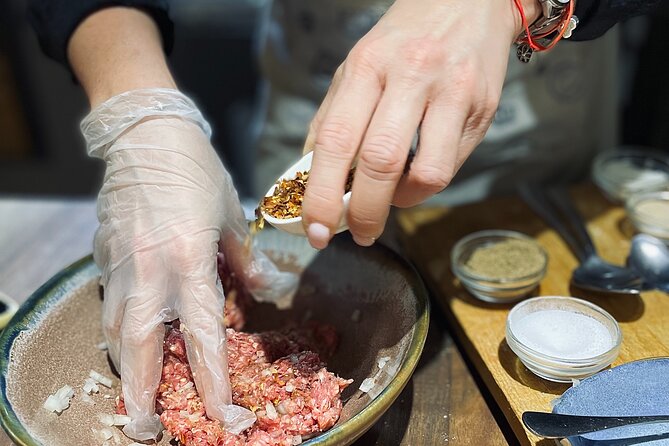
- Khinkali shaping, with folding or sculpting taught by the chef
What you should expect to happen out of sight:
- The hot cooking steps are handled behind closed doors in the kitchen
Why this is actually okay for most people: it keeps the class moving and keeps food safety and hygiene simpler in a restaurant setting. The tradeoff is you may feel like you are doing “the build” more than “the full cook.” If you want to do every single hot action yourself, you might find this format less satisfying.
The Meal Breakdown: Wine, Cheese, Salad, and What You Make
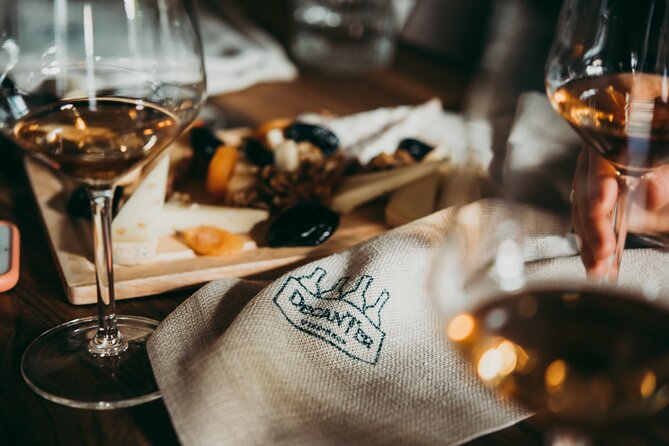
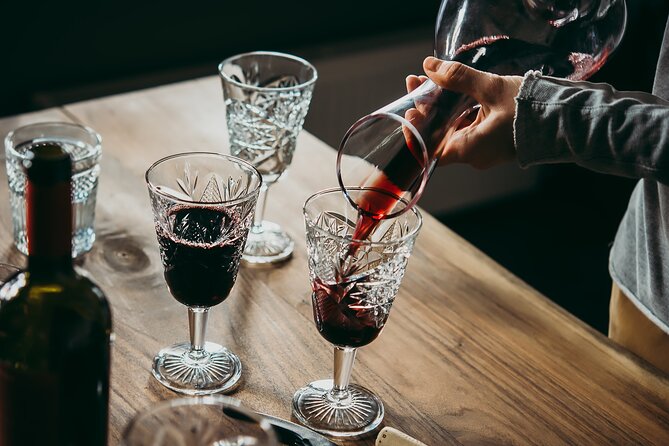
You get a Georgian wine welcome, plus a vegetable salad made with unforgettable Georgian tomatoes, and a plate of farm cheeses. Even if you are not a big wine person, the included drink keeps the atmosphere relaxed and social.
Then comes the best part, eating what you helped make:
- Khinkali, typically with veal, cheese, or mushrooms for the filling
- Khachapuri, Imeretian-style cheese bread
This matters for value. Cooking classes can be expensive when you pay for instruction but then eat only a small tasting portion. Here, the experience is designed like a real meal, and multiple participants have described it as ample enough for an afternoon lunch or early dinner.
If you are traveling with appetite, come hungry. You will likely spend most of the session focused on dough, filling, and folding, and then you get to enjoy the payoff right away.
More Georgian cooking classes in Tbilisi:
- Tbilisi: Cooking Class with a Local Family
★ 5.0 · 104 reviews - Join a Local for a Market Tour, Cooking Class and Meal in her Tbilisi Home
★ 5.0 · 15 reviews - Private Cooking Class with a Tbilisi Food and City Expert Dinara
★ 4.0 · 5 reviews - Mtskheta: Exploring Heritage and Cuisine through Cooking Classes
★ 5.0 · 5 reviews
Khinkali: Dough Secrets and Folding Practice
Khinkali are the showpiece dish, and this class treats them like one. You’ll learn the basics of the dough approach, then you move into the folding and sculpting process while the chef adds stories about how the dish works and where it fits in Tbilisi food culture.
The format is usually:
- The cook explains the dough and the logic behind the texture
- The session moves through filling and shaping steps
- You practice the khinkali shape so the dumplings look right and seal properly
In many sessions, you may find that some elements are already partly prepared. A couple of past participants noted that the dough might be prepared in advance, and that the class focuses heavily on folding, not on doing every stage from raw flour to hot dumplings in front of you.
Still, learning how to fold khinkali well is the real skill. The shape is not just for looks. It helps the dumpling hold together and makes the eating experience a whole ritual.
One more thing to know: the class can be chatty and story-driven in the best way. You are not sitting silently. You are shaping, tasting, and listening.
Khachapuri Imeretian: Cheese Bread You Help Build
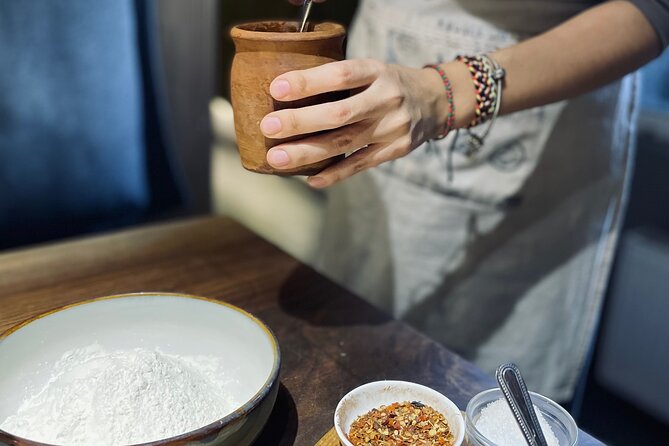
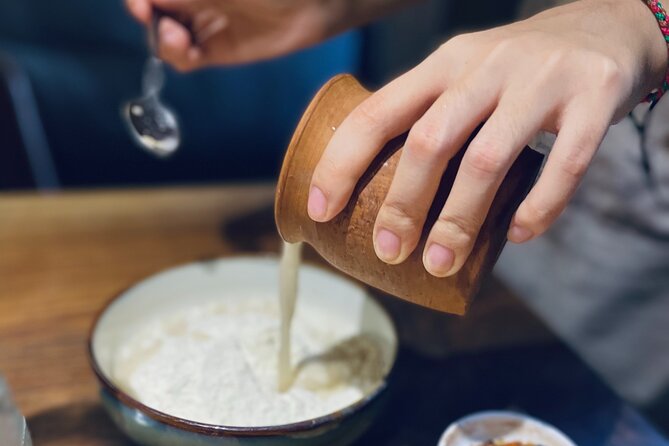
Khachapuri is the comfort, and Imeretian-style is the cheese-forward version that many people crave. Here, you prepare the dough for khachapuri and work on the filling. Then you spread the cheese and get your bread to readiness.
In plain terms, you get a “from dough to assembled” experience for this dish. That is more active than many classes where you only shape already-made dough.
What makes it worth it:
- You get to feel the dough texture under your hands
- You learn how cheese and bread balance, so it tastes right instead of just being salty
- You leave with a mental recipe you can actually repeat at home
Khachapuri also suits different skill levels. If you are a total beginner, the guided steps make it manageable. If you bake at home already, you might enjoy comparing your technique with what the chef teaches.
The Instructors and the Tone of the Class
The vibe seems to matter as much as the food. Past sessions have highlighted patient teaching and humor, with instructors like Chef Vladimir, Artem, and Seva guiding the process with step-by-step explanations.
That matters because khinkali shaping can feel awkward at first. If the instructor is calm and clear, you get confident fast. Multiple participants have praised the patience and the way instructions are easy to follow, even for first-timers.
You will also hear some historical and tasty details about the dishes, plus funny stories. That is how the time stays enjoyable, even if you are waiting a bit for staff to bring food or for the kitchen to finish cooking.
Timing Reality Check: Two Hours, But Not Always
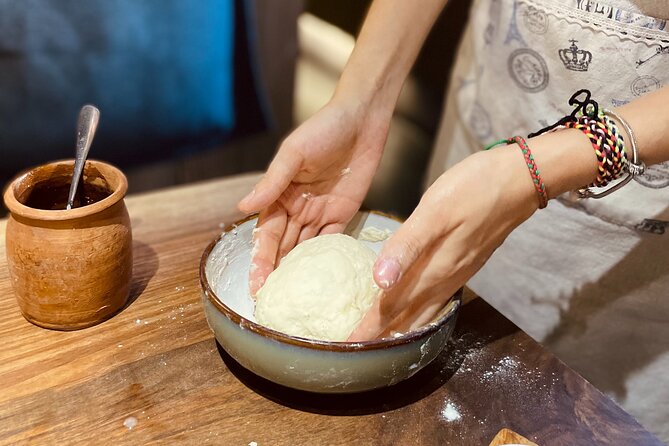
The class is listed at about two hours, and many people experience it as a focused, afternoon session. That said, organization can vary.
Some participants reported delays at the start or a longer overall flow when the restaurant was busy. A few also mentioned “dead” moments where they were waiting for staff to bring items between cooking steps. These are not constant issues, but they are real enough that you should plan your day with a little slack.
How to handle it:
- Put this on your schedule when you do not have tight timing for dinner reservations
- Arrive early so you can settle in before the pace gets moving
- Bring patience if you are picky about perfectly structured step-by-step timing
Small-Group Promise, and What Can Change
The class is described as a maximum of 6 travelers, and that small size is part of the appeal. In that setup, you get more attention and more time for hands-on work.
But some past experiences mentioned groups larger than the advertised ceiling, including 9 to 13 people in certain sessions. When the group is bigger, the experience can feel more crowded, and you might do less of the prep work per person, depending on how the staff assigns tasks.
This is also why some participants noted the setting could be outside in hot weather at times. Even when the food is great, a uncomfortable seating situation can drag down the experience.
My practical advice:
- If you want the true small-group feel, book as early as you can.
- If you are sensitive to heat, bring water and wear breathable clothes, since downtown Tbilisi weather can get intense.
Price and Value: Why This Costs $27.50 and Still Makes Sense
At $27.50 for about two hours, the price looks almost too friendly until you factor in what is included. You are paying for:
- English instruction
- Hands-on cooking activities for khinkali and khachapuri
- A wine welcome
- Salad and farm cheeses
- The dishes you make and eat during the class
Cooking classes become poor value when you only watch and then eat a tiny tasting. Here, the experience is structured like you leave fed, not just educated.
One caution for budget-minded folks: since the class can run differently depending on group size, your amount of active participation might change. Still, most people come away with both recipes learned and food satisfaction, which is exactly what you want for this price.
What You’ll Actually Learn (So It’s Not Just Fun)
The learning here is practical, not academic. You get:
- A dough approach and filling logic for khinkali
- Folding practice, so you understand how the dumpling comes together
- Dough and cheese-bread assembly habits for Imeretian khachapuri
- Tips on timing and handling dough so your final result looks and tastes right
And importantly, you learn in a format that ends with a meal. That makes the food stick in your memory. You are not memorizing recipes on paper. You are building them with your hands.
Some past participants said recipes are shared at the end. That is a big deal if you want to reproduce the flavors later without guessing.
Who This Class Is Best For
This is a strong fit if:
- You want a small-group Georgian food experience in downtown Tbilisi
- You like interactive classes where you shape dumplings and assemble cheesy bread
- You want wine, salad, and a satisfying meal without planning a full restaurant dinner first
- You travel solo and enjoy meeting people in a relaxed setting
It might be less ideal if:
- You want a full kitchen immersion where you do every stage from raw ingredients to hot cooking yourself
- You are very sensitive to group-size changes and prefer strict small-group control
- You hate waiting around for staff or food to arrive during busy restaurant moments
If you are traveling with kids, it can work well. One past session noted the class was recommended for families, including young kids, with a full meal and wine included for adults.
Tips to Get the Best Experience
A few small moves can make this class smoother.
- Wear comfortable clothes you can handle around flour and dough.
- Expect to spend most of your energy on prep and shaping, not on stovetop cooking.
- If you drink wine, enjoy it, it is part of the social rhythm. If you do not, you might still enjoy the meal and skip the alcohol.
- If you are heat-sensitive, plan for warm downtown conditions and bring water.
Most importantly, treat the folding practice like a skill, not a test. The first few dumplings might be imperfect, and then suddenly you get it.
Should You Book This Khinkali and Khachapuri Class?
I’d book it if you want a fun, food-first Georgian experience that fits into a short afternoon and gives you real meal results. At $27.50, the included wine, salad, cheeses, and the dishes you make make it a practical value play in Tbilisi.
I would not book it if you specifically want full kitchen access and complete control over the hot cooking steps. This is a restaurant-hall format where shaping and assembly are the heart of the experience, and cooking happens behind closed doors.
If you are flexible, hungry, and excited about learning two iconic dishes, this class is a great use of your time.
FAQ
How long is the Khinkali and Khachapuri cooking class?
It runs for about 2 hours (approx.).
What is the meeting point in Tbilisi?
The start point is St.Bunny31 Griboedov St, Tbilisi, Georgia, and the activity ends back at the meeting point.
Is this class held in the kitchen?
No, the master class takes place inside the restaurant hall, not in the kitchen.
What is included in the class?
You get Georgian wine, a vegetable salad, farm cheeses, and you also cook and eat khinkali and khachapuri.
What dishes will I make?
You will learn khinkali and khachapuri. The experience includes khinkali shaping and khachapuri dough and filling preparation, with the dishes cooked and served afterward.
What language is the class taught in?
The class is offered in English.
What is the cancellation policy?
Free cancellation is available up to 24 hours before the experience start time for a full refund.
More Workshops in Tbilisi
- Taste of Kakheti: Wine Tour Bread Baking & Churchkhela Workshop
★ 4.5 · 46 reviews - Georgian Dance Class in Tbilisi, Georgia
★ 5.0 · 10 reviews - Tbilisi: Ceramic Workshop with Hotel Pick-Up
★ 5.0 · 8 reviews - Tbilisi: 1.5-Hour Ceramic Workshop Experience
★ 5.0 · 5 reviews
Recently reviewed around Tbilisi
- Tbilisi City Tour★ 4.5 · 3 reviews
- Tbilisi City, Jvari Monastery, Uplistsikhe caves, Mtskheta city Private Day Trip★ 4.5 · 3 reviews
- Tbilisi City Tour with Street Photography★ 5.0 · 3 reviews
- Private Trip to Tbilisi and Mtskheta – Cultural Capitals★ 5.0 · 3 reviews
- Wild Georgia 4WD PACK Adventure through Kakheti and Kazbegi 2in1★ 5.0 · 3 reviews
- Tbilisi Airport to Gudauri, Bakuriani, Batumi, Tbilisi★ 5.0 · 3 reviews
- Private Adorable City Tour of Tbilisi★ 5.0 · 3 reviews
- Private Wine Tour In Kakheti Region with 7 Wines and Lunch★ 5.0 · 3 reviews
Khinkali & Khachapuri Classes, compared.
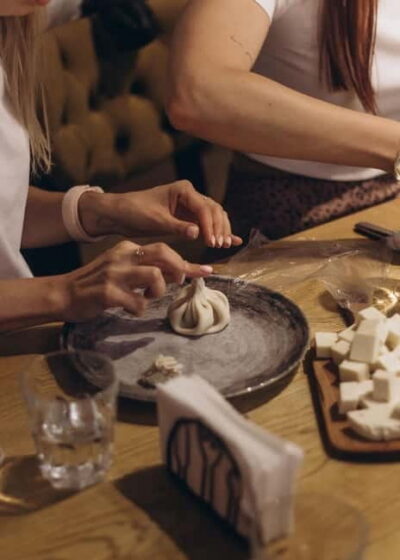
Georgian Cooking Class with Khinkali and Khachapuri
Read our review →
Military Road Marvels: Ananuri, Kazbegi & Khinkali Masterclass
Read our review →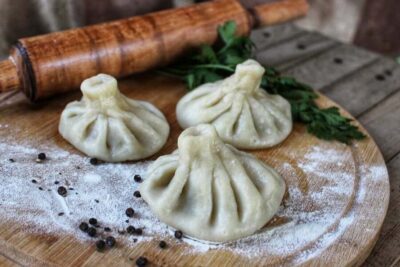
Batumi Khinkali: Hands-On Masterclass with a Local Master
Read our review →
Kazbegi and Khinkali – the ultimate mountain experience tour
Read our review →
Khachapuri, Khinkali and Bread-Making Masterclass
Read our review →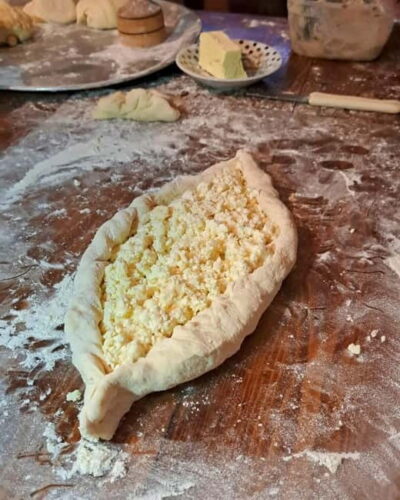
Browse the lists this tour appears in