
Reviewed · COOKING CLASSES
Tbilisi: Cooking Class with a Local Family
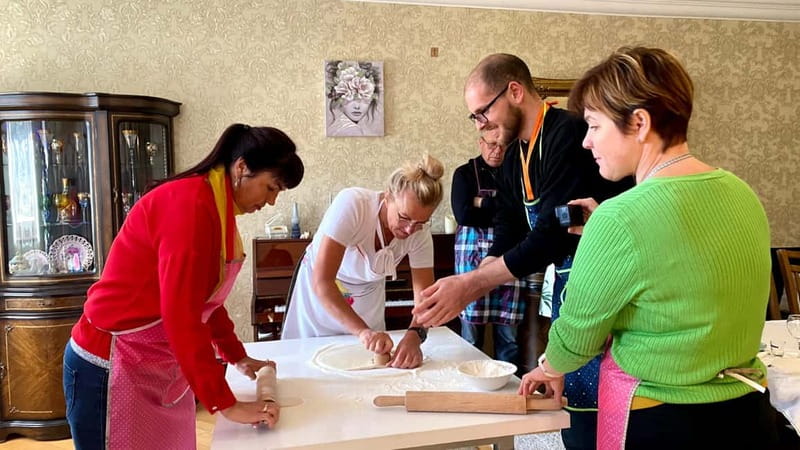
This is interesting because you are not just watching Georgian cooking. You are cooking Georgian food in a real home, guided through classic dishes and served family-style, with the people behind the flavors. It is a very direct way to understand why Tbilisi food culture feels so social.
I especially love the hands-on part. You learn how to shape and build the food yourself, not just taste it. And I really like that the cooking focuses on the heavy hitters, Khinkali and Khachapuri, plus walnut eggplant, Georgian salad, and cornbread.
One thing to consider: you should come ready to eat and drink a lot, since this is a full home feast built into a short 3 hours. If you prefer light meals or zero alcohol, plan accordingly.
Key things you will do on this Tbilisi cooking class
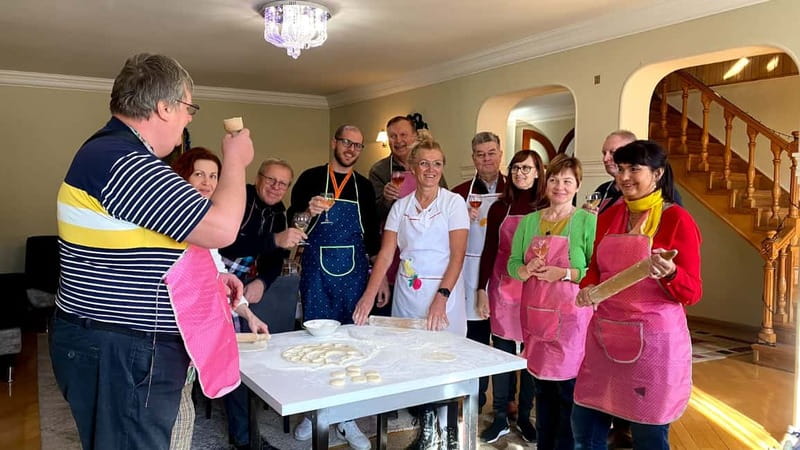
- Cook six foods in a family kitchen, including Georgian staples like Khinkali and Khachapuri
- Learn from Shorena, a western Georgian cook with 30+ years of experience
- Taste homemade wine and chacha, then sit down to eat what you made
- Get a traditional recipe to take home, so you can recreate the flavors later
- Meet at Avlabari Metro Station at 17:30 with an orange flag holder for easy pickup
Why this home kitchen in Avlabari feels more real than a studio class
The heart of this experience is simple: you are stepping into Shorena’s family routine, not a staged demo. Shorena lives with her husband and children, and she is from the west of Georgia, where cooking traditions have a strong, practical backbone. Her instruction is built around how Georgians actually cook, season, and plate for company.
In practice, that means you spend the evening doing real steps, like preparing the dough work for items such as khachapuri or handling the components for dishes like eggplant with walnuts, Georgian salad, and mchadi. And then you get to enjoy the payoff right away, because you eat what you cooked. That is a big difference from many tours where you watch the action and hope the restaurant dinner is good.
I also like the way the guides act as a bridge. In multiple groups, the cooking host speaks Georgian and English only in small pockets, so the English-speaking tour guide supports you through translations and timing. People have mentioned guides like Maria and Ana, and others such as Nicolas, Oki, or Nini, stepping in to make sure you understand every step, not just the broad strokes.
The result is that you can enjoy the food even if your cooking skills are not great. You are not being tested. You are being taught.
More Georgian cooking classes in Tbilisi:
- Tbilisi: Georgian Cooking Class with Khinkali and Khachapuri
★ 4.7 · 1,146 reviews - Small-Group Khinkali and Khachapuri Cooking Class in Tbilisi
★ 4.5 · 224 reviews - Join a Local for a Market Tour, Cooking Class and Meal in her Tbilisi Home
★ 5.0 · 15 reviews
The 3-hour flow, from 17:30 pickup to your Georgian dinner
The timing is built for one clean evening slot. You meet at Avlabari Metro Station at 17:30, where a partner representative holds a branded orange flag. From there, transportation from the meeting point is included, so you do not have to play navigation games in Tbilisi traffic.
The tour runs about 3 hours, which is long enough to actually cook, taste, and eat, but short enough to stay flexible on your trip. If you want a single activity that feels like dinner plus a class, this fits.
Once you arrive at the home, you can expect the classic structure of this kind of Georgian evening:
- welcome tasting and drink, including homemade dry white wine
- instruction from the host, Shorena, with step-by-step guidance
- hands-on cooking for the dishes, with the guide translating as needed
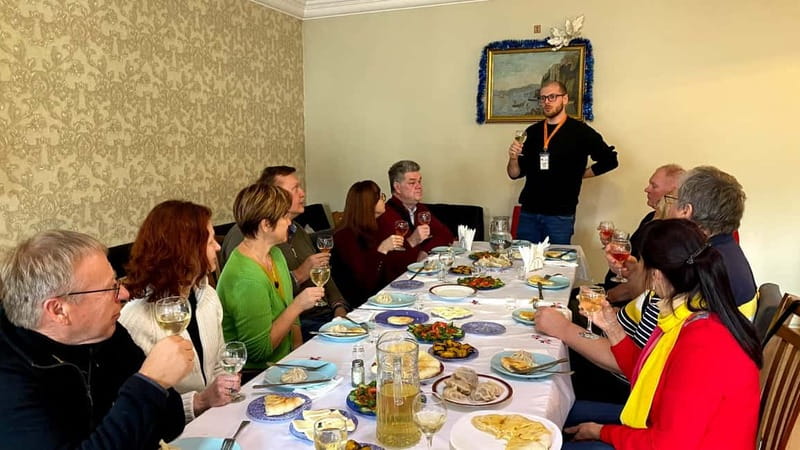
- a shared sit-down meal where you eat everything you made
A useful detail here: cooking “masterclasses” does not mean you only observe. The experience is designed so you make most of what you will eat. Some steps may be partly handled already (for example, dough prep can be partially done for efficiency), but you still get your hands in the process.
The six foods you will cook and why Georgians care about each one
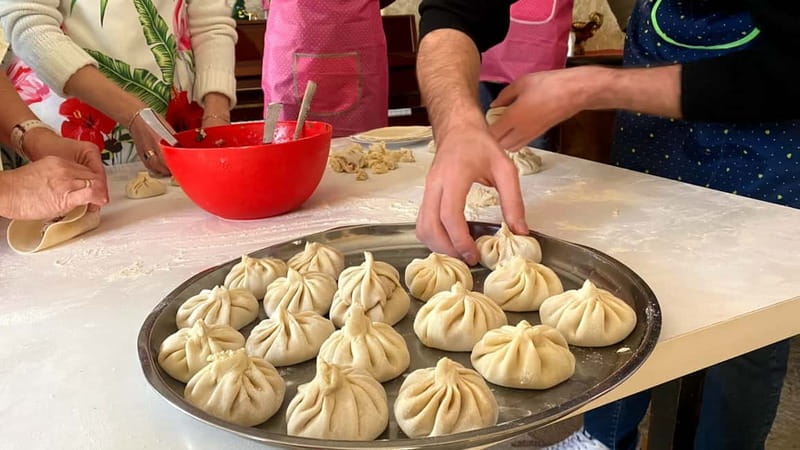
This class is organized around iconic Georgian dishes, the kinds you see across menus and family tables. The description calls out five, but the experience includes six foods, and it often works out as variations or combinations, such as more than one style of khachapuri.
Here is what you should expect to learn to make, and what each dish teaches you about Georgian flavors.
Khinkali: dumpling technique meets the social ritual
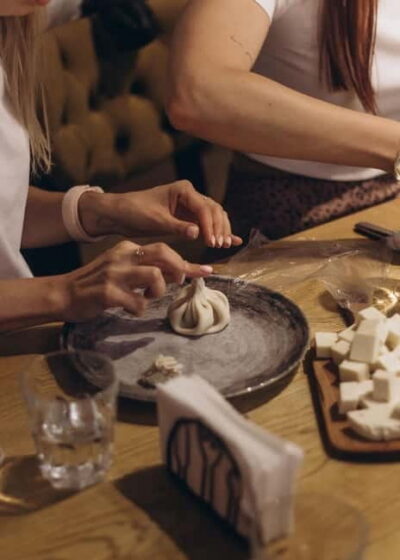
Khinkali are the entry ticket to Georgian dumpling culture. When you cook them, you learn how Georgian dumpling filling and wrapping should feel, and how the final shape matters for both texture and eating style. In groups, people have specifically highlighted khinkali as the fun part because the work is hands-on, and the reward is immediate once you sit down.
Also, khinkali are a great way to understand Georgian “share and talk” food culture. It is the kind of dish that naturally leads to conversation because everyone is comparing how theirs looks.
A few more Tbilisi days worth putting side by side
- Taste of Kakheti: Wine Tour Bread Baking & Churchkhela Workshop
★ 4.5 · 46 reviews - Georgian Dance Class in Tbilisi, Georgia
★ 5.0 · 10 reviews - Tbilisi: Ceramic Workshop with Hotel Pick-Up
★ 5.0 · 8 reviews - Private Cooking Class with a Tbilisi Food and City Expert Dinara
★ 4.0 · 5 reviews
Khachapuri: the cheese-forward soul of the class
Khachapuri is bread with cheese, and you usually get more than one version in this kind of home setup. You will also encounter Sulguni cheese, which is a key Georgian cheese that behaves well when heated.
What I like about khachapuri as a class topic is that it is not just one texture. You get the bread element, the melting cheese element, and the finishing moment. Even if your first attempt is not restaurant perfect, you learn the idea behind it.
Eggplant with walnuts: the flavor lesson you keep tasting after
Eggplant with walnuts is where the class gets its depth. Georgia loves the walnut-meets-spice angle, and eggplant brings a tender base that makes the sauce feel richer without being heavy.
People often mention eggplant rolls with walnut styles in related Georgian home cooking, which hints at how flexible this category can be. In this experience, the core idea stays the same: you learn how walnuts combine with seasonings into a sauce that makes eggplant taste like more than a side dish.
Georgian Salad: bright, crisp, and built for balance
The Georgian salad portion is a palate reset. It gives you freshness to balance the dumplings and cheese. If your mouth is getting saturated from cooking and tasting cheese, salad helps you keep your taste buds awake for round two.
It is also practical training. You learn how salads work in a Georgian meal, not as an afterthought, but as part of the structure of the table.
Mchadi: cornbread that actually earns a spot
Mchadi is Georgian cornbread, made from corn flour. You get the chance to cook it yourself, and it teaches you a different kind of “comfort food” than wheat bread and cheese.
What you get out of mchadi is texture. It is filling, it pairs well with dishes like eggplant, and it helps round out the meal so it feels complete, not like you are only eating dumplings and cheese.
The sixth food: likely a second khachapuri style or extra dish component
The experience includes six foods, while the headline list names five dishes. In real home cooking setups, that often means one category comes in two forms, such as two types of khachapuri, or an extra dish component shows up as part of the feast.
This is why I recommend going with the mindset that the meal is a full spread. Even if you already know some dishes, Georgian home cooking tends to turn “one menu item” into “a table of variations.”
Homemade wine and chacha: how to enjoy it without regretting it
You are offered homemade dry white wine and chacha, Georgia’s famous fruit-based spirit. This is not a tiny “sip and move on” moment. The class is built around food and drink together, and you will taste the drinks as the meal unfolds.
A practical way to enjoy it is to pace. Start with wine during the welcome or early cooking phase, then switch to water between tastings. Since it is a home setting, people are relaxed and talkative, and it can be easy to overdo it. I like this experience most when you stay in control, so you remember the cooking steps and you can savor the final feast.
One small caution based on a mixed comment you might hear about any drink-focused dinner: some people found the chacha and wine to be less strong or less impressive than they expected. That said, the food quality and hospitality are the consistent winners, and the drinks are part of the cultural experience rather than the whole point.
Your English guide role: what translation means in a Georgian home
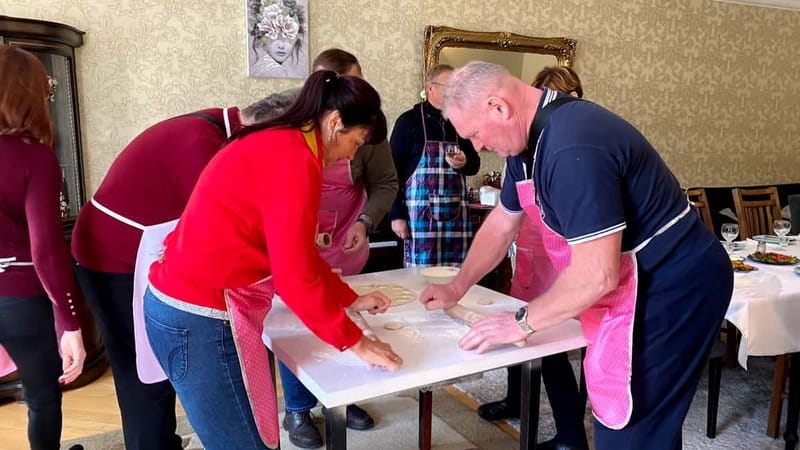
Language is usually the biggest worry for food classes in foreign homes. Here, it is handled with a live English tour guide. People have described guides translating every step when the host spoke mostly Georgian.
In the groups, guides such as Maria, Ana, Nicolas, Oki, Nini, Sally, Salome, and others have been praised for keeping the experience fun and educational. One big theme: the guides did not only translate words, they shared context, like where dishes come from, how regional differences show up, and what to notice while eating.
That context matters because it turns cooking from a task into a story you can repeat later. If you pay attention during the steps, you will understand not only how to make the food, but why Georgians see it as comfort and celebration.
What the price gets you at $55, and where you should double-check
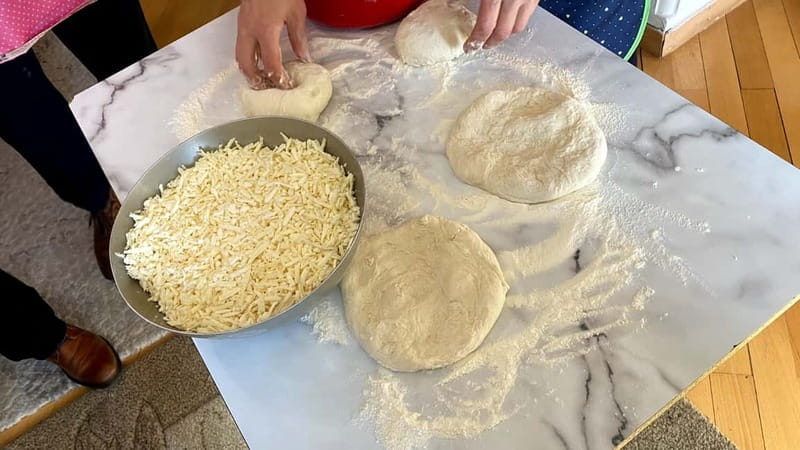
At $55 per person, you are paying for more than “a cooking lesson.” You are getting:
- a live English guide
- cooking masterclasses with a local family
- six foods
- homemade wine and chacha
- water
- transportation from the meeting point at Avlabari
- a recipe of traditional Georgian food
That value makes sense because you are essentially buying a full dinner experience with instruction and translation, in someone’s real home. Restaurant versions of this kind of menu plus alcohol can add up quickly. Here, the class format is the value hook, because you get both instruction and the meal.
The part to double-check is transport return logistics. The information says transportation from the meeting point is included, but transportation from the local family is not included. That does not mean you will be stranded, but it does mean you should confirm the exact drop-off point when booking, especially if you rely on metro timing or night rides.
Practical tips that make your class smoother
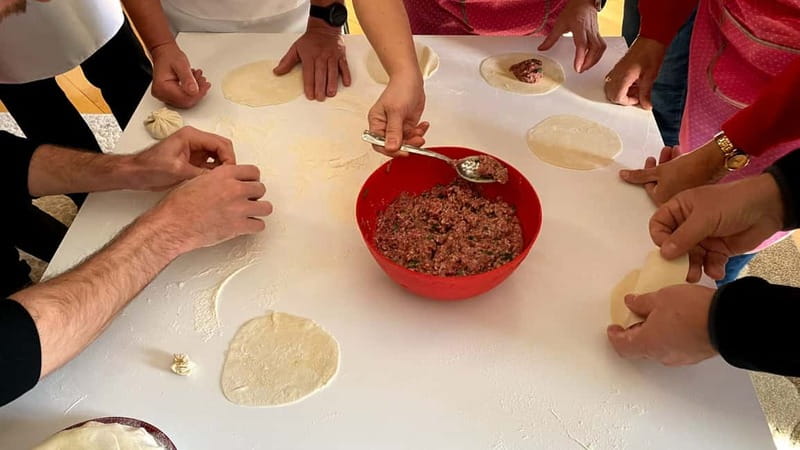
A few small choices can make your evening go better.
Bring a passport or ID card. The experience lists it as required.
Dress for rain or shine. The tour operates in all weather. That is great, but it also means you should wear shoes and layers that handle Tbilisi evenings comfortably.
Ask for a vegetarian option if you need one. A vegetarian option is available upon request. If you are booking, message ahead so they can plan ingredient prep.
Come hungry. The format is cooking plus tasting plus eating. People describe it as plentiful, and your final meal is the point. Even if you are a cautious eater, you will likely leave satisfied.
If you are traveling solo, you are still in good shape. Some groups are smaller or even private depending on signups, and the class works well for solo travelers because the guide and host guide the social flow.
So, should you book this Tbilisi cooking class with a local family?
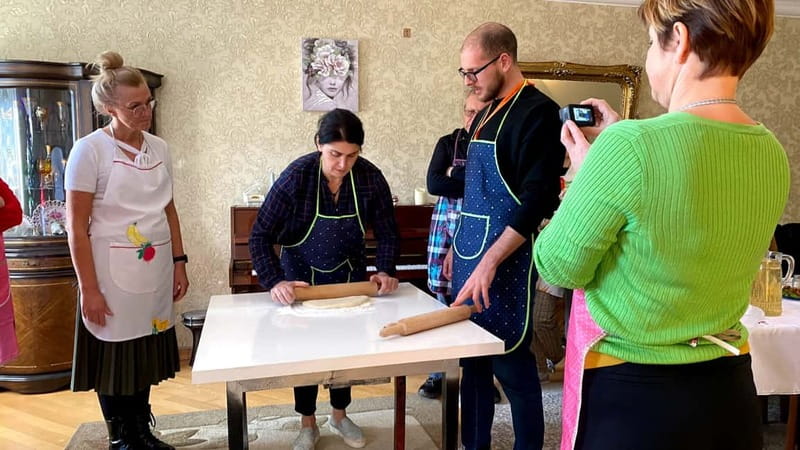
Book it if you want a high-value, hands-on way to learn Georgian food in a real home setting. I like that the experience is built around the big, recognizable dishes like Khinkali and Khachapuri, plus the less obvious-but-essential flavors like walnut eggplant, Georgian salad, and mchadi. The combination of cooking, tasting, and hospitality is exactly what makes home classes worthwhile.
Skip it, or at least think twice, if you prefer light, short tastings or you do not want alcohol. This one is a full meal experience with wine and chacha baked in, and it expects you to eat.
If you are the kind of traveler who loves learning how people actually cook, and you want a story you can recreate, Shorena’s Magic Kitchen in a Georgian family home is a strong pick for a Tbilisi evening.
FAQ
Where is the meeting point and when do we meet?
You meet at Avlabari Metro Station at 17:30. A local partner representative will be there in front of the station holding a branded orange flag.
How long is the cooking class?
The experience lasts about 3 hours.
What does the price include?
It includes a guide, six foods, homemade wine, homemade vodka (chacha), water, cooking masterclasses with a local family, and transportation from the meeting point.
What should I bring with me?
You should bring your passport or ID card.
Is there a vegetarian option?
Yes. A vegetarian option is available upon request.
What language is the tour guide?
The live guide is in English.
Does the tour run in bad weather?
Yes, the tour operates rain or shine. Dress for the weather.
Is transportation back provided from the family home?
Transportation from the meeting point is included, but transportation from the local family is listed as not included. It is smart to confirm your return plan when you book.
What is the cancellation policy?
Free cancellation is available up to 24 hours in advance for a full refund.
Recently reviewed around Tbilisi
- Tbilisi City Tour★ 4.5 · 3 reviews
- Tbilisi City, Jvari Monastery, Uplistsikhe caves, Mtskheta city Private Day Trip★ 4.5 · 3 reviews
- Tbilisi City Tour with Street Photography★ 5.0 · 3 reviews
- Private Trip to Tbilisi and Mtskheta – Cultural Capitals★ 5.0 · 3 reviews
- Wild Georgia 4WD PACK Adventure through Kakheti and Kazbegi 2in1★ 5.0 · 3 reviews
- Tbilisi Airport to Gudauri, Bakuriani, Batumi, Tbilisi★ 5.0 · 3 reviews
- Private Adorable City Tour of Tbilisi★ 5.0 · 3 reviews
- Tbilisi and Mtskheta cities private, cultural tour★ 5.0 · 3 reviews
Cooking Classes, compared.
Georgian Cooking Class with Khinkali and Khachapuri
Read our review →
Small-Group Khinkali and Khachapuri Cooking Class in Tbilisi
Read our review →
Join a Local for a Market Tour, Cooking Class and Meal in her Tbilisi Home
Read our review →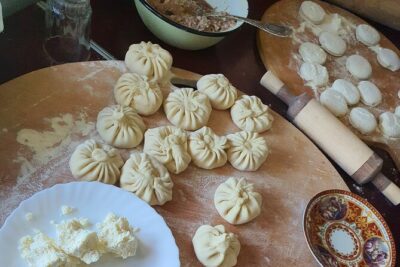
Exploring Heritage and Cuisine through Cooking Classes
Read our review →
Private Cooking Class with a Tbilisi Food and City Expert Dinara
Read our review →
Enjoy a Traditional Georgian Cooking Class and Meal with a Local in Tbilisi
Read our review →Browse the lists this tour appears in