
Reviewed · KHINKALI & KHACHAPURI CLASSES
Tbilisi: Khachapuri, Khinkali and Bread-Making Masterclass
Cooking Georgian comfort food is interesting because it is not just eating, it is technique. In this Tbilisi class, you will work with dough from scratch and learn why khachapuri, khinkali, and shoti bread taste so specific and so good. Hands-on learning meets a small group of up to 10.
I like the step-by-step coaching for shaping dumplings with that soup-filled bite, and I really like the homey, interactive feel where Lia Hanım makes it easy to ask questions. One consideration: gluten intolerance means this class is not suitable.
Key Points You’ll Feel Right Away
- You learn by doing, not by watching.
- Dough work is front and center for khachapuri and khinkali.
- The soup-filled khinkali bite is a real focus, not a vague promise.
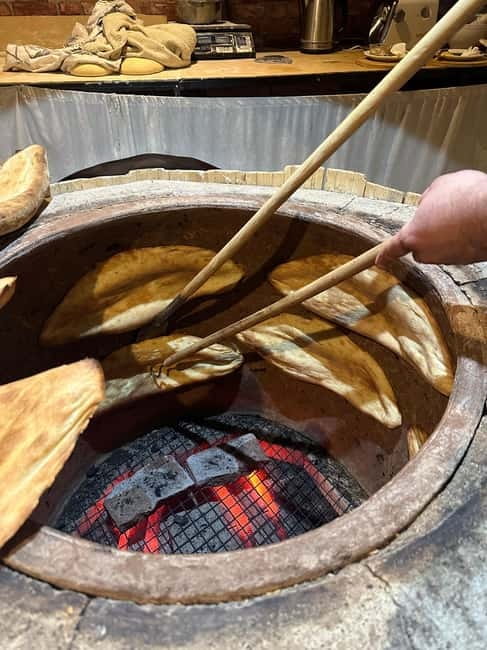
- Shoti bread technique includes the clay-oven style method and home adaptation.
- Small group size keeps things friendly and practical.
Why This Georgian Cooking Class Works in Just Two Hours
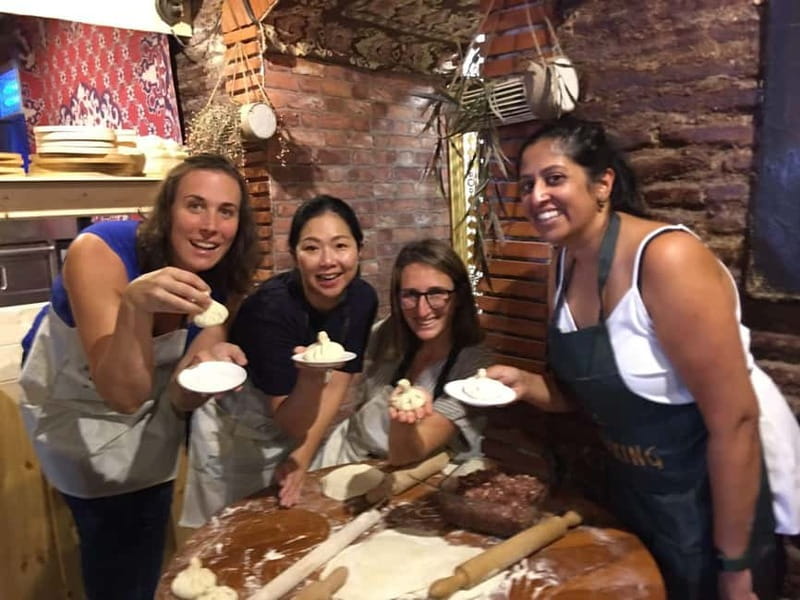
Two hours sounds short until you realize what you are actually doing. You are learning dough basics, shaping skills, and baking methods that Georgia repeats in different forms. That means you leave with repeatable know-how, not just a souvenir platter.
The format is interactive and step-by-step. You are guided whether you can cook already or you are starting from zero. The goal is simple: you should be able to reproduce these flavors later, in your own kitchen.
Value also matters. At $76 per person, you are paying for instruction plus ingredients, and you get three major Georgian staples covered in one session. Most food experiences in a city like Tbilisi feed you. This one teaches you.
More khinkali and khachapuri classes in Tbilisi:
- Tbilisi: Georgian Cooking Class with Khinkali and Khachapuri
★ 4.7 · 1,146 reviews - Small-Group Khinkali and Khachapuri Cooking Class in Tbilisi
★ 4.5 · 224 reviews - Military Road Marvels: Ananuri, Kazbegi & Khinkali Masterclass
★ 5.0 · 6 reviews
Meeting Point and the Homey Setup in Tbilisi
You meet at the café bakery area. The practical instruction is to look for the café bakery banner on a brick wall. It is one of those details that saves time, especially if you are arriving without a deep map plan.
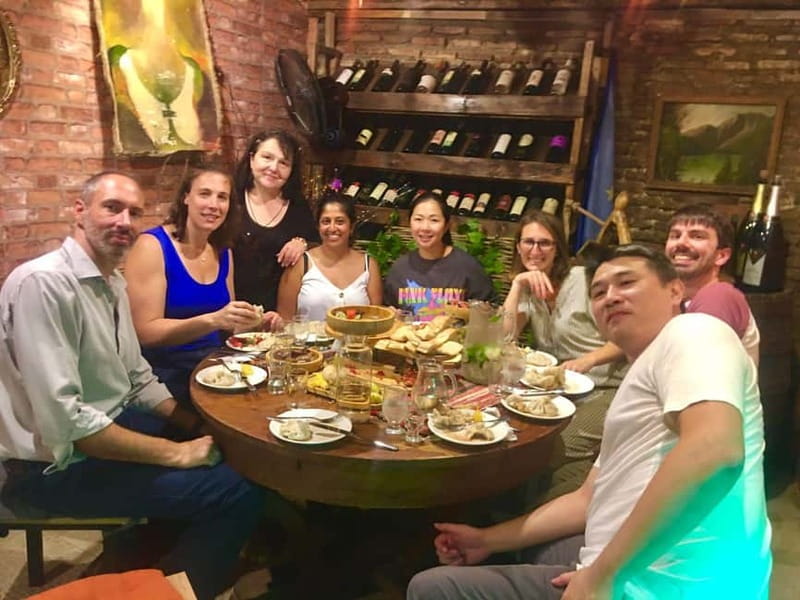
The room style is homey and friendly. That matters more than it sounds. When you are learning dough and folding dumplings, you want a calm pace and permission to mess up a little. The class is limited to 10 participants, so you are not stuck yelling over a crowd.
Instructor language is English and Russian. If you speak one of those comfortably, you will benefit more quickly, since the teaching moves step by step while you cook.
Alcoholic drinks are not included. That is not a dealbreaker, just plan on sticking to water or whatever you bring into the moment.
Khachapuri: From Dough Scratch to the Golden Cheese Edge
Khachapuri is the dish most people have heard of. What is more interesting is how the class explains the “why” behind the look and the stretch.
You start with the dough from scratch. That includes getting the texture right before you even think about filling. Georgian cheese breads succeed or fail based on the dough structure, not only the cheese. Once the dough is ready, you learn how to build the filling and how to shape so you get that signature crust.
The class aims at two visual targets:
- a perfectly golden crust
- a cheese filling that stays gooey
That gooey part is where most home attempts go wrong. Too much heat can make cheese seize. Too little can leave it under-melted. Here, the lesson is about timing and the structure of the bread so the cheese behaves like cheese should, not like a sad lump.
What I like about this section is that you are not just handed a recipe. You are taught the process well enough that you can adjust later. If your kitchen runs hotter or your ingredients behave differently, you will have a sense of what to watch for.
Possible drawback: you will get your hands involved. If you prefer very clean, hands-off cooking tours, this is not that. It is also a dough class, so you should be mentally ready for flour on your sleeves and a bit of mess.
Khinkali Shaping and the Secret to the Soup-Filled Bite
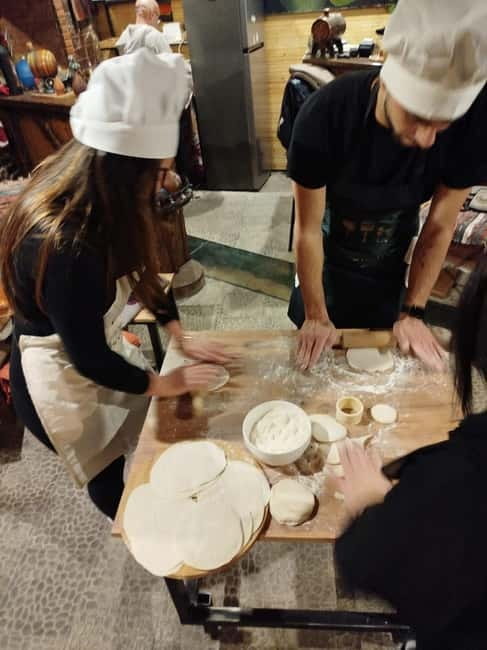
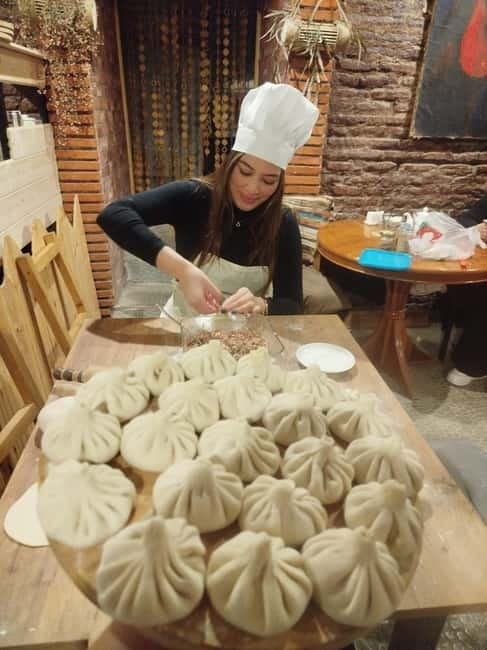
Khinkali are dumplings, but the class treats them like a skill set. The signature goal is that iconic soup-filled bite. That is not marketing talk, it is the whole point.
You will learn how to make the dough, then how to shape the dumplings. Shaping sounds easy until you try it. The folds have to be consistent enough to seal, but not so tight that the filling behavior changes.
The class focuses on:
- forming the dough correctly
- shaping the dumplings so they cook evenly
- understanding how to get that juicy, savory interior
The “soup-filled” part is really about proportions and sealing. If the dumpling opens, you lose the liquid and end up with dry filling. If you overstuff, sealing gets tricky. If you under-fill, you might still get a good dumpling, but not the same bite.
This is one reason I think this class is great for beginners. You are not expected to be perfect on the first dumpling. You are coached through the shaping step so your brain learns the physical logic: pinch, fold, seal, repeat.
If you are already a confident cook, you will still enjoy it because the techniques are specific. Georgian dumpling style is not just any dumpling style. The class gives you a clearer path than a random online recipe.
A few more Tbilisi days worth putting side by side
- Tbilisi: Day Trip to Kazbegi, Gudauri, Gergeti, and Ananuri
★ 4.9 · 3,203 reviews - Day Trip to Kakheti Wine Region Including 9 Wine Tastings
★ 5.0 · 2,774 reviews - Highlights of Caucasus Mountains-Jinvali,Ananuri,Gudauri,Kazbegi(Group tour)
★ 5.0 · 2,682 reviews - From Tbilisi: Kakheti Wine Region Tour with 9 Wine Tastings
★ 4.9 · 2,541 reviews
Shoti Bread: Clay-Oven Style Technique You Can Copy at Home
Then you shift from dumplings to bread that feels like Georgia’s everyday heartbeat. Shoti is a staple, and this class covers the traditional methods used to make it.
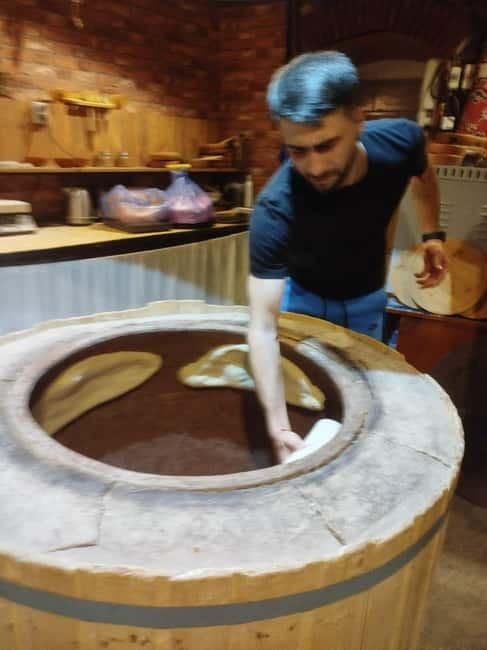
You learn how shoti is baked with a tandoor-like clay oven approach. That matters because clay-oven style heat changes how bread browns and how the crumb sets. You do not need a backyard clay oven to benefit from the lesson. The class also explains how to adapt for your home kitchen.
So you get two takeaways at once:
- an understanding of the traditional method
- a plan for what to do when you bake in a standard kitchen oven
The bread outcome you are aiming for is clear:
- soft, pillowy interior
- crisp, golden crust
Those two textures happen because bread needs both heat and the right bake environment. The class gives you the method so you can reproduce the feel, not just the name.
One practical consideration: bread baking time and oven behavior can vary. Your oven might brown faster or slower than the class setup. The good news is that you are learning technique cues, not only a strict timeline.
Price and Value: What $76 Gets You in Real Instruction
Let’s talk money in a grounded way. At $76 per person for a 2-hour small-group class, you are paying for:
- cooking class instruction
- all necessary ingredients
- an instructor
That combination is the value story. If you tried to DIY at home, you would still need ingredients, plus you would lose the guided correction when dough texture or shaping goes sideways. Here, you get immediate feedback while you work.
You also get three different Georgian staples in one sitting: khachapuri, khinkali, and traditional Georgian bread (shoti). That density matters. A lot of cooking experiences teach one dish. This one teaches a “toolkit” you can reuse.
One more value point: the class is limited to 10 people. For instruction, smaller is better. You are more likely to get your questions answered and to notice technique changes while they still matter.
Who This Class Suits Best (and Who Should Skip It)
This class fits you well if you want hands-on technique and you like learning how food is built. It is also solid if you are a beginner, because the teaching is step-by-step and you are not thrown into complicated tasks without guidance.
It is especially good if you love Georgian food already and want to understand why it works. You will come away with a more confident way to order and judge dishes too. Once you handle dough and shaping, you can tell when something is under-sealed, overcooked, or just off on texture.
Skip it if you have gluten intolerance. The class is not suitable for that.
If you are short on time, the 2-hour format is ideal. You get a full cooking experience without burning half a day. Just don’t book a tight schedule right after. You will be busy, and you will want time for the post-cook part of the experience.
Languages, Group Size, and the Friendly Pace That Helps You Learn
The instructor speaks English and Russian, which makes the class more accessible than many single-language cooking sessions. If you are comfortable with either language, you will follow the instructions more easily and feel less stressed while you work.
Small group size is where the magic happens. Up to 10 participants means you can actually see what is happening at the counter and you can get help quickly. When you are folding dumplings or shaping bread, small corrections early prevent big mistakes later.
The atmosphere is described as warm and homey. That matters because cooking is a physical learning process. You learn by repeating motions, and you learn faster when you feel comfortable doing it.
And yes, Lia Hanım is part of that vibe. If you are someone who appreciates personal hospitality, you will likely feel it here. The experience is friendly in a real way, not just polite tourism friendliness.
Planning Tips: Booking Early and Keeping Your Schedule Flexible
This is one of those activities where planning early makes life easier. I strongly suggest booking at least 2 days earlier and giving yourself time flexibility on that day. Last-minute spots often narrow quickly.
Also, think about your day flow. You are doing dough and hands-on work, so you want to arrive with a clear head and not with a rushed mind. If you are jumping from one sight to the next, give yourself a buffer.
For meeting up, again, keep it simple. Find the café bakery banner on a brick wall. That is your anchor. Once you see it, you are in the right zone.
Finally, remember that alcoholic drinks are not included. If you plan to have a drink with your meal afterward, check what is available on-site and plan accordingly.
Should You Book This Georgian Cooking Class?
Yes, book it if you want more than a meal. I would pick this class over a standard food tasting because you leave with real skills: dough from scratch, khachapuri shaping, khinkali folding, and shoti bread methods you can adapt at home.
You should also book if you enjoy small-group settings and a friendly, homey pace. Up to 10 people keeps the experience practical, not chaotic.
Don’t book if you need gluten-free cooking. This one is not built for that.
If you come to Tbilisi with curious taste buds and a willingness to get a little flour on your hands, this class is a smart use of time. In two hours, you learn three classics and you gain the confidence to cook them again later.
FAQ
How long is the Tbilisi Khachapuri, Khinkali and Bread-Making Masterclass?
The class lasts 2 hours.
What dishes will I learn to make?
You will learn to make khachapuri, khinkali, and traditional Georgian shoti bread.
Is this a small group class?
Yes. It is limited to a small group of up to 10 participants.
What languages does the instructor speak?
The instructor speaks English and Russian.
Where is the meeting point?
Meet at the café bakery area. Look for the café bakery banner on a brick wall.
Is this class suitable for gluten intolerance?
No. It is not suitable for people with gluten intolerance.
Recently reviewed around Tbilisi
- Tbilisi City Tour★ 4.5 · 3 reviews
- Tbilisi City, Jvari Monastery, Uplistsikhe caves, Mtskheta city Private Day Trip★ 4.5 · 3 reviews
- Tbilisi City Tour with Street Photography★ 5.0 · 3 reviews
- Wild Georgia 4WD PACK Adventure through Kakheti and Kazbegi 2in1★ 5.0 · 3 reviews
- Private Trip to Tbilisi and Mtskheta – Cultural Capitals★ 5.0 · 3 reviews
- Tbilisi Airport to Gudauri, Bakuriani, Batumi, Tbilisi★ 5.0 · 3 reviews
- Private Adorable City Tour of Tbilisi★ 5.0 · 3 reviews
- Tbilisi and Mtskheta cities private, cultural tour★ 5.0 · 3 reviews
Khinkali & Khachapuri Classes, compared.

Georgian Cooking Class with Khinkali and Khachapuri
Read our review →
Small-Group Khinkali and Khachapuri Cooking Class in Tbilisi
Read our review →
Military Road Marvels: Ananuri, Kazbegi & Khinkali Masterclass
Read our review →
Batumi Khinkali: Hands-On Masterclass with a Local Master
Read our review →
Kazbegi and Khinkali – the ultimate mountain experience tour
Read our review →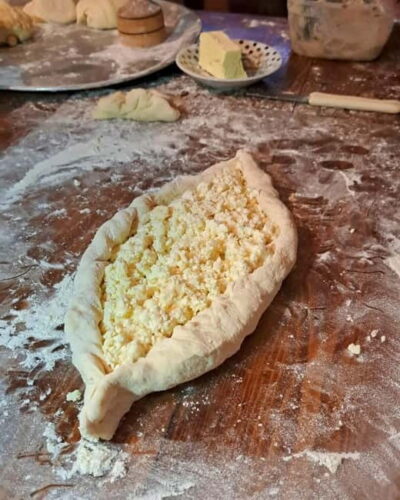
Browse the lists this tour appears in