
Reviewed · SOVIET-ERA SITES
Tbilisi: Discover the Soviet Past Walking Tour
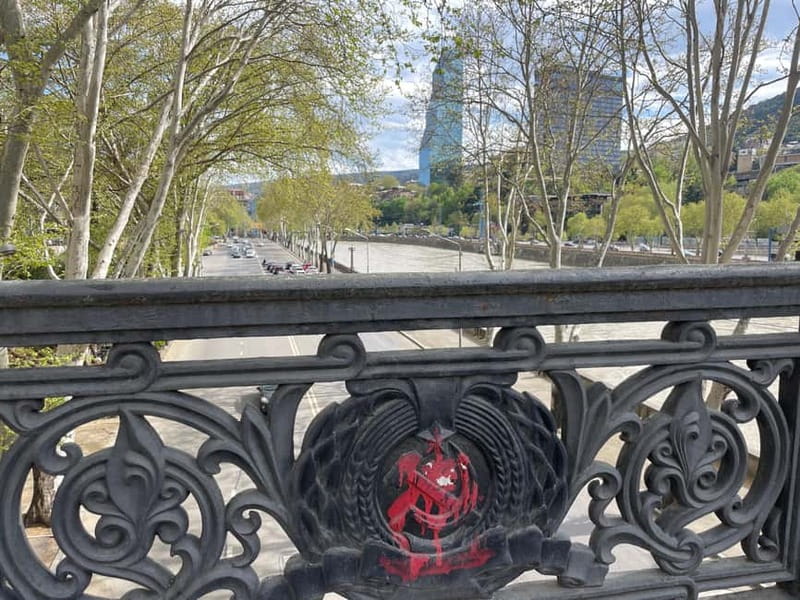
Soviet Tbilisi is one of those time periods that changed daily life, yet usually gets told in one big, sanitized story. This walking tour makes it personal by focusing on real routines, real fear, and the way the city itself was designed to control people, not just impress them. I really liked how Soviet architecture becomes understandable on foot, and how life under surveillance is explained in plain language.
One possible drawback: it is a walking tour, so you should expect steady time on your feet, and it is not suitable for wheelchair users.
Key things to know before you go
- Freedom Square start makes it easy to find and helps you get oriented fast
- Soviet design on the streets ties buildings and planning to how people lived
- Surveillance and everyday life get explained with context, not shock value
- Whispered truths cover what people knew but could not say out loud
- Small group vibe keeps the pace human, with time for questions
- Natalie’s conversation style is a big reason this tour earns so many 5-star reviews
Soviet Tbilisi, Explained On Foot Starting at Freedom Square

If you want Soviet history that feels like real life, this is a smart choice. It is built around walking through the parts of Tbilisi that still show Soviet priorities in the way space was planned and buildings were designed. That means you are not just collecting dates. You are learning how a system shaped neighborhoods, families, and daily choices.
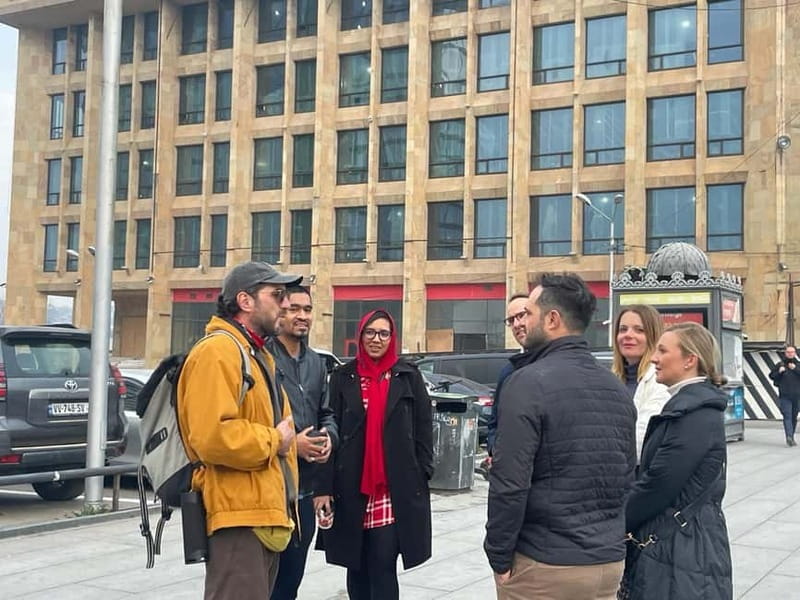
You meet at Freedom Square, in front of the Gryphon statue. That location matters more than you might think. It is a clear landmark, and it gives your guide an easy way to set the scene before you move into the city’s Soviet-era layers. In practice, it helps you follow along, especially if you are new to Georgia’s more recent history.
The tone is also part of the value. Reviews consistently describe a guide who does not lecture at you for 2 hours. Instead, it feels like a thoughtful chat where you can ask questions and steer the conversation. If you like history that answers your curiosity, you will probably appreciate that structure.
More Soviet-era sites in Tbilisi:
- Tbilisi: The Urbex and Soviet Tour of Tbilisi
★ 5.0 · 127 reviews - Tbilisi old town & soviet heritage – Private driver-guided Tour
★ 5.0 · 83 reviews - Brutalist Tbilisi: Urban exploration and untold stories
★ 5.0 · 82 reviews
Soviet Architecture and Urban Planning, Not Just Fancy Facades
Soviet architecture can look simple at first glance. Big blocks, clear lines, practical layouts. But once you understand the logic behind it, those facades stop being just visuals. You start seeing how the built environment supported the rhythm of the state.
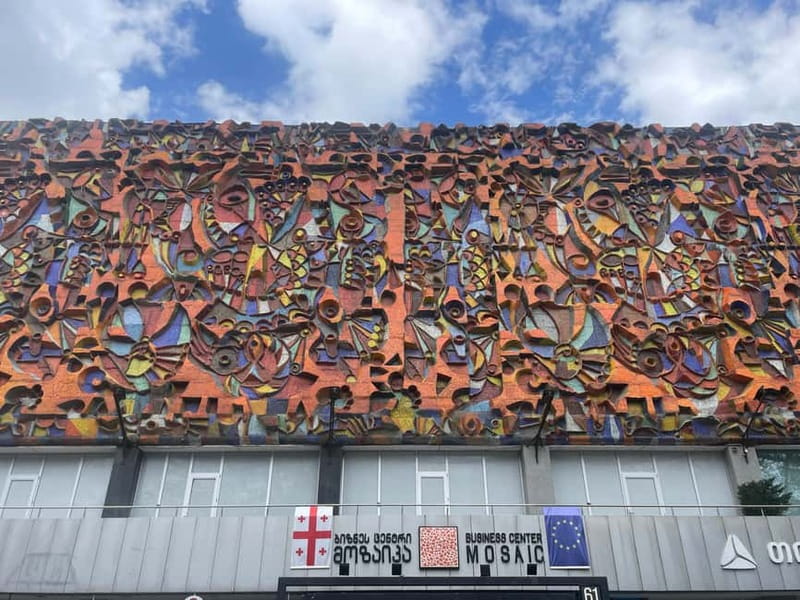
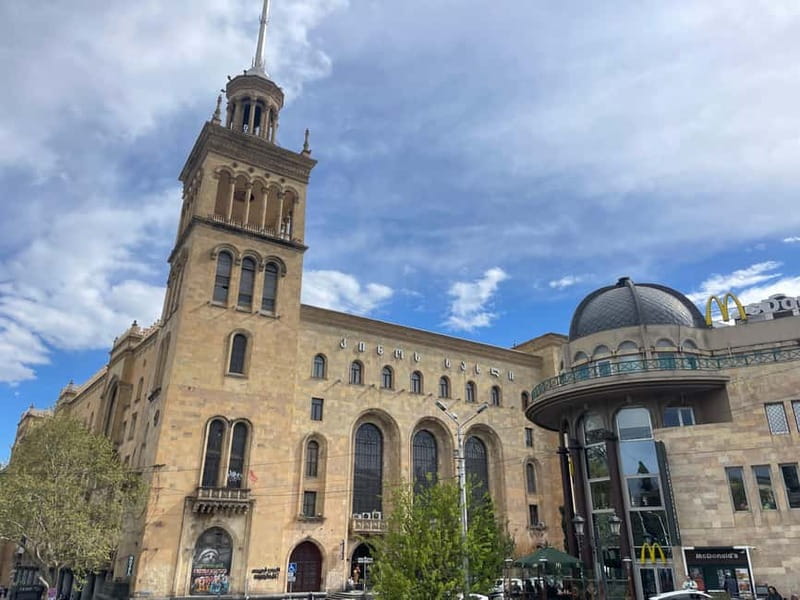
On this tour, Soviet design and urban planning are treated as evidence. You will spend time on the kinds of streets and spaces where Soviet influence is most visible, and your guide connects them to everyday life: where people gathered, how movement through the city was shaped, and why certain forms were promoted. Even if you are not an architecture person, I think you will still enjoy the explanations because they translate design choices into real consequences.
One practical tip: bring a curious mindset and look for patterns. Notice how buildings relate to the street, where open space shows up, and how the city feels organized. That is exactly what this tour teaches you to see.
Constant Surveillance, Explained Through Daily Reality
This is not a Soviet history tour that stays in broad political theory. A key theme here is the reality of living under constant surveillance. That topic can easily turn heavy, and the best guiding keeps it grounded so it stays human.
Expect the tour to talk about how control works when it is constant. Not just fear in dramatic moments, but how people adjust their behavior in everyday life. You will also hear about what people knew, what they kept quiet, and how families navigated public and private spaces.
I also like that the tour connects surveillance to the emotional texture of daily decisions. You are not only learning about how the system worked. You are learning how it felt to live with limits on what you could say and do.
Propaganda, Official Stories, and the Things People Whispered About
Soviet public life ran on messaging, and propaganda was part of that. What makes this tour interesting is that it does not treat propaganda as just posters and slogans. It frames it as a social system: the official story people were expected to repeat, and the alternative reality people carried in their heads.
You will hear about what people understood but could not find in books. That includes the gap between what was publicly allowed and what people sensed or discussed quietly. The tour’s emphasis on hidden stories and the things people whispered about helps you see how knowledge still spread, even under restrictions.
This is where the walk format helps. Talking about censorship and control while standing in the urban spaces shaped by that period makes the ideas easier to hold onto. The city becomes a classroom, and the lesson is not abstract.
More walking tours in Tbilisi:
- Tbilisi Walking Tour Including Cable Car and Traditional Bakery
★ 5.0 · 1,310 reviews - Tbilisi: City Highlights Guided Walking Tour
★ 4.9 · 1,114 reviews - Tbilisi:Evening Walking & Talking Tour with Wine & Boat Ride
★ 5.0 · 572 reviews - Tbilisi: Evening Walking Tour with Wine & Boat Ride Options
★ 5.0 · 407 reviews
Why People Keep Praising Natalie’s Storytelling Style
A lot of tours promise insight. Fewer deliver it with the right pace. In the reviews, Natalie comes up again and again, and it is not just because she is friendly. It is because she knows how to teach without turning the group into an audience of note-takers.
Here is what stands out from the feedback:
- She is described as warm and energetic, with a genuine love for her country’s history.
- She balances historical context with engaging storytelling, so it stays interesting instead of dry.
- Multiple reviews mention that it feels almost like a conversation, with room for questions.
- People also say the guiding stays focused and does not drag into long monologues.
If you are the type who likes to ask, this matters. One reviewer even highlighted that the guide made people comfortable asking questions, and that the tour felt personalized based on what the group wanted to know. That is a strong sign this is designed for real engagement, not a rigid script.
Also, there is a hint of personality baked into the experience. Reviews mention quirky personal stories mixed in with the history. That matters because it turns Soviet history from a topic into a lived perspective.
What the 2 Hours Feels Like (And How to Make It Work for You)

This tour runs 2 hours. That is an ideal length for this kind of topic. It is long enough to build context and see multiple Soviet-era examples, but short enough that you are not stuck for half a day in a heavy mood.
The group is small, which usually changes everything about a walking tour. You can keep up, you can ask questions without shouting, and the guide can pace the story around what people in the group are actually curious about.
Language is English, and the guiding is described as clear and easy to follow. If your English is solid, you will likely feel comfortable jumping in with questions.
One more practical consideration: the theme includes surveillance and social pressure. If you prefer light travel topics, you might find it emotionally intense at times. But if you want the human side of history, it is also exactly the point.
Price and Value: Is $26 Worth It?
At $26 per person for a 2-hour guided walking tour, the price is very reasonable if you care about more than surface-level sightseeing. You are paying for several things at once: a curated route, Soviet architecture and urban planning interpretation, cultural context, and a guide who brings lived perspective rather than just reading facts.
The value equation improves because the tour is guided by a professional local guide, and the group is small. That combination typically costs more than big-group tours, yet this one stays accessible. Also, the reviews consistently describe a high level of engagement, including question time and a conversation style. That is what you want for the money.
So yes, I think the pricing makes sense for a focused, high-quality walking experience, especially if you are looking to understand Georgia’s Soviet past in a way that feels human.
Who Should Book This Tour, and Who Might Skip It
You should book if:
- You want Soviet history in Tbilisi that connects politics to everyday life.
- You care about architecture and planning as clues to how people lived.
- You like tours where you can ask questions and not just listen for 2 hours.
- You want a guide like Natalie who tells stories with warmth and energy.
You might skip if:
- You want only upbeat entertainment or purely visual sightseeing.
- You have limited mobility or need wheelchair access, since this tour is not suitable for wheelchair users.
- You dislike the topic of surveillance and social pressure.
Should You Book This Soviet Past Walking Tour?
I would book it if your goal is to understand how the Soviet era shaped Tbilisi beyond headlines. The meeting point is easy, the pacing is short but substantial, and the strongest praise is about the guide. When multiple people describe the tour as conversational, engaging, and personalized, that usually means you will leave with more than photos. You will leave with a clearer picture of how daily life worked under the system.
If Soviet history is already on your radar, this walking tour is one of the best ways to make it feel real. And if you are not sure you will like it, start with the city itself. You are walking through the evidence, and the guide helps you connect the dots fast.
FAQ
How long is the Soviet Past Walking Tour in Tbilisi?
It lasts 2 hours.
Where is the meeting point?
You meet at Freedom Square, in front of the Gryphon statue.
What language is the tour guide?
The tour is conducted in English.
How much does the tour cost?
The price is $26 per person.
Is the tour suitable for wheelchair users?
No. It is not suitable for wheelchair users.
Is it possible to cancel for a full refund?
Yes. You can cancel up to 24 hours in advance for a full refund.
Recently reviewed around Tbilisi
- Tbilisi City Tour★ 4.5 · 3 reviews
- Tbilisi City, Jvari Monastery, Uplistsikhe caves, Mtskheta city Private Day Trip★ 4.5 · 3 reviews
- Tbilisi City Tour with Street Photography★ 5.0 · 3 reviews
- Wild Georgia 4WD PACK Adventure through Kakheti and Kazbegi 2in1★ 5.0 · 3 reviews
- Private Trip to Tbilisi and Mtskheta – Cultural Capitals★ 5.0 · 3 reviews
- Tbilisi Airport to Gudauri, Bakuriani, Batumi, Tbilisi★ 5.0 · 3 reviews
- Private Adorable City Tour of Tbilisi★ 5.0 · 3 reviews
- Private Wine Tour In Kakheti Region with 7 Wines and Lunch★ 5.0 · 3 reviews
Soviet-Era Sites, compared.
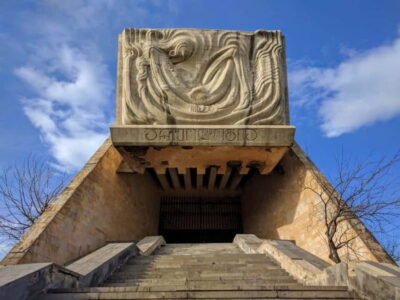

Abandoned sanatoriums of tskaltubo – group tour from Kutaisi
Read our review →
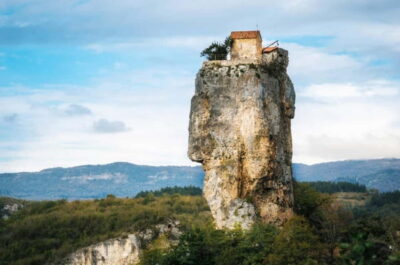
Chiatura Tour with Katskhi Pillar & Cable Car Experience
Read our review →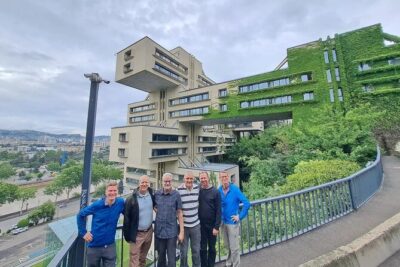
Tbilisi old town & soviet heritage – Private driver-guided Tour
Read our review →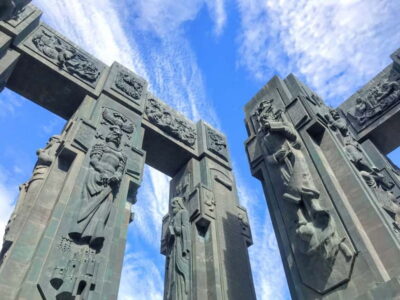
Brutalist Tbilisi: Urban exploration and untold stories
Read our review →
Chiatura Cable Cars & Katskhi Pillar Guided Tour
Read our review →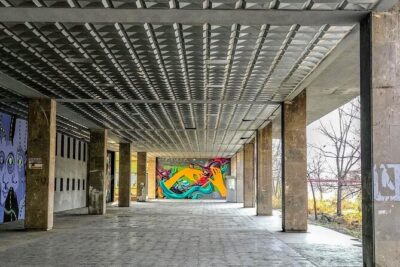
Brutal Tbilisi: Urban exploration and untold stories
Read our review →Browse the lists this tour appears in