
Reviewed · SOVIET-ERA SITES
Brutalist Tbilisi: Urban exploration and untold stories
Tbilisi’s Brutalist side is fascinating because it is not frozen in a museum. You see it in daily life, in housing blocks, office monuments, and odd infrastructure that still shapes how the city feels. This tour is built for that reality, using car rides to reach the big concrete landmarks without turning your day into a long, sore-walking slog.
I really like the way the guides bring Soviet-era design details into plain human terms, the kind of explanations that make concrete feel personal. I also like that you get major photo stops plus real neighborhood context, not just viewpoints. Guides such as Jonah and Khatuna are repeatedly praised for strong storytelling and making you see why these buildings mattered to ordinary people.
One consideration: this is not for everyone. You will be dealing with abandoned and dramatic structures, and it is not suitable if you have mobility limits or you are very afraid of heights.
Key takeaways before you go
- Car-first pacing: you cover more ground in comfort, with limited walking between stops.
- Monuments with human backstories: each site is explained as a lived system, not just architecture.
- Soviet heritage across eras: from Brutalist government buildings to 1970s housing and older infrastructure.
- Tbilisi Sea viewpoint payoff: the Chronicle of Georgia is your big aerial/photo moment.
- A rare look at dark corners: places like Suicide Bridge are part of the story, not skipped.
- Small, private feel: no big bus, and the guide can keep the flow tight.
Brutalist Tbilisi: why this city looks different from up close
If you only see Tbilisi through the usual balcony views, you miss half the city’s personality. This experience leans into the other half: stark lines, large-scale geometry, and the leftover confidence of the Soviet decades. You get to see the city as a working machine, where architecture was meant to solve problems and also to project power.
The best part is that the tour does not treat these buildings as just aesthetics. The guide connects design choices to daily routines, who lived nearby, and how the meaning of these spaces shifted as Georgia changed. That is what makes Brutalism so interesting here. It is not only concrete. It is social history written in stone-like forms.
More Soviet-era sites in Tbilisi:
- Tbilisi: The Urbex and Soviet Tour of Tbilisi
★ 5.0 · 127 reviews - Tbilisi old town & soviet heritage – Private driver-guided Tour
★ 5.0 · 83 reviews - Brutal Tbilisi: Urban exploration and untold stories
★ 5.0 · 59 reviews
Car-based urban exploration, and why it matters in Tbilisi
You travel in comfort by car for a reason. Tbilisi is a city where distances and viewpoints can add up fast, especially if you are trying to stitch together monuments across different neighborhoods. Here, the logistics are handled so your time goes to stops and stories, not transit fatigue.
Most groups report an excellent transport experience, and you feel the difference immediately. Less time in the rain or sun walking between sites. More time standing where you can actually read the building, spot key details, and take photos without rushing. You still need comfortable shoes, but the tour is clearly designed to keep walking short.
Also, because it is a small or private group, the guide can adapt to what you see and how long each place takes. Traffic and weather can shift the exact timing, and that is expected.
City of Students: where Soviet modernism meets student life
Your first stretch focuses on an area often tied to youth and learning, a place where you can catch the Soviet logic of planning and community. You get a photo stop and a guided visit, with about 45 minutes allocated for the local context and architecture.
What I like about this start is that it sets the theme early. Before you hit the heavier, more iconic monuments, you get a sense of how buildings were designed for groups, routines, and public space. Even if you do not know the architectural terms, you can still feel the planning intent once the guide points it out: scale, repetition, and how circulation works.
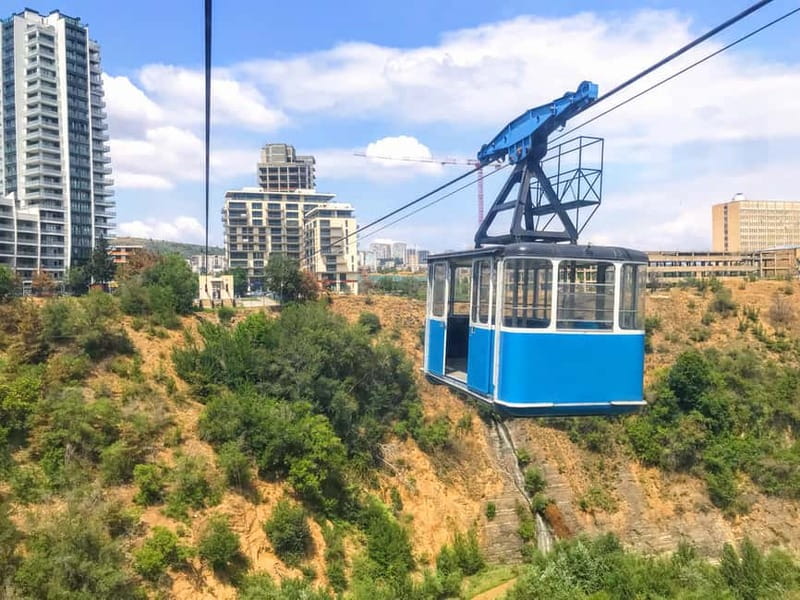
Bagebi Cable Road and the old system in motion
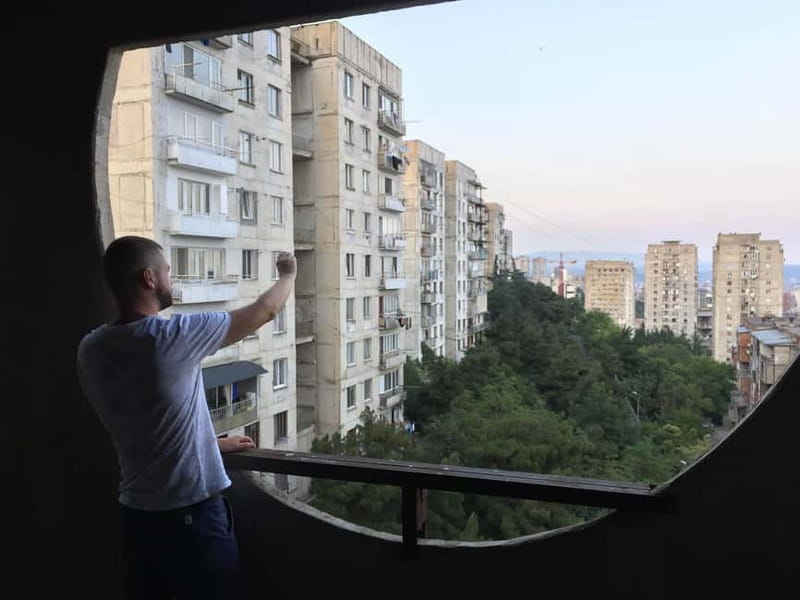
Then comes the Bagebi Cable Road, with a short cable car ride included. It is a practical break from the city streets, and it adds that extra layer of time travel because you are experiencing a piece of Tbilisi infrastructure that feels connected to earlier decades.
You should expect a photo stop and guided tour time around this section, about 25 minutes for the cable car segment area. The payoff is not only the ride, it is the perspective. From above, you understand why certain buildings sit the way they do, and you get a better sense of the city’s layers.
A few more Tbilisi days worth putting side by side
- Tbilisi: Day Trip to Kazbegi, Gudauri, Gergeti, and Ananuri
★ 4.9 · 3,203 reviews - Day Trip to Kakheti Wine Region Including 9 Wine Tastings
★ 5.0 · 2,774 reviews - Highlights of Caucasus Mountains-Jinvali,Ananuri,Gudauri,Kazbegi(Group tour)
★ 5.0 · 2,682 reviews - From Tbilisi: Kakheti Wine Region Tour with 9 Wine Tastings
★ 4.9 · 2,541 reviews
The in-between stops: more Soviet buildings than you expect
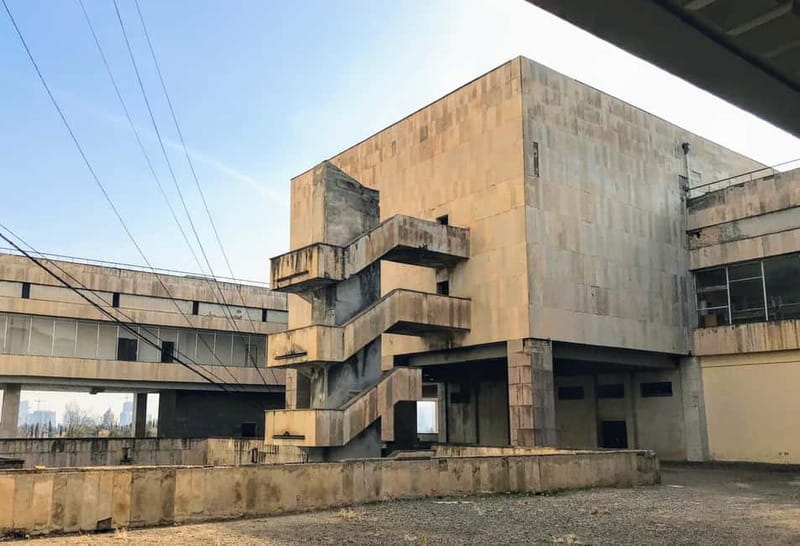
Between the big named highlights, you also get additional photo stops and guided tours of smaller scale monuments and modernist spaces. These parts are where the guide typically does the best work linking the dots, because you start noticing patterns across different districts.
You might spend around 25 minutes at one of these interlude stops, and around 45 minutes at another, depending on the flow and what the guide includes. Use this time to look slowly. These are the places where signage, street-level wear, and the way locals use entrances tells you what the building is really doing now.
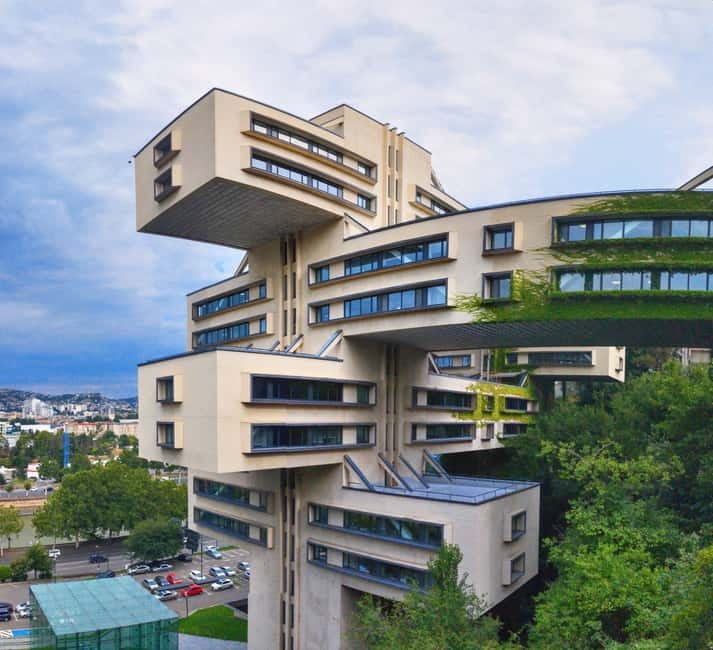
Ministry of Highways of the Georgian SSR: Brutalism’s big statement
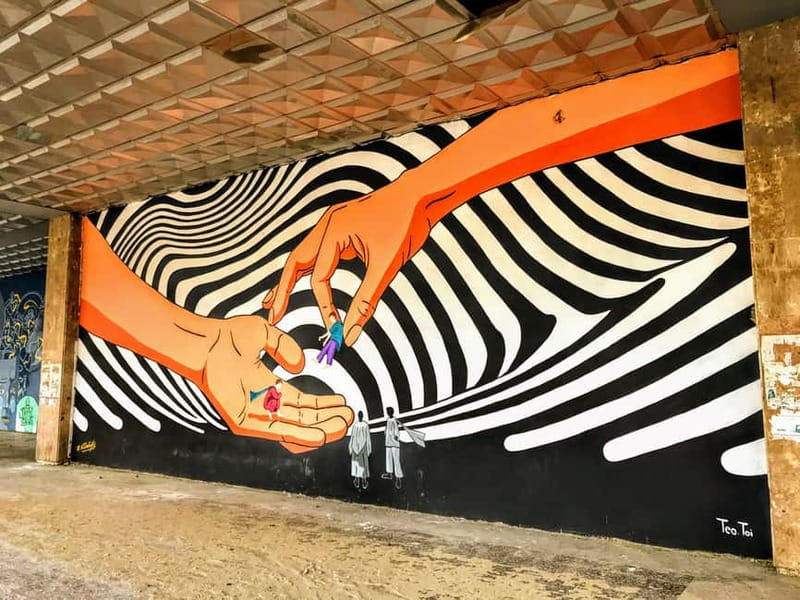
One of the iconic stops is the Ministry of Highways of the Georgian SSR, widely considered one of the standout Brutalist structures in Eastern Europe. This is the kind of building where you understand what Soviet architecture was trying to do: make government feel massive, permanent, and visible from far away.
The guide’s job here is crucial. Without explanation, Brutalism can look like a bunch of hard shapes. With the story, you start noticing the intent: the monumental massing, the strict geometry, and the way the building relates to the street and public space. You are also learning how political design becomes a lived environment, where people navigate entrances, shadows, and routines around the monument.
Nutsubidze Skybridge: 1970s residential life at height
Next up is Nutsubidze Skybridge, a striking 1970s residential complex known for its suspended sky bridges. This stop is popular for a reason. You are not just looking at a building, you are seeing how daily movement could be structured in the air.
Plan for around 40 minutes here, including guided time and sightseeing along the way. The route approach matters too. You get scenic views on the drive, which helps you understand the elevation and layout before you stand among the sky bridges.
This is also where height matters most. If you are nervous about heights, skip this tour. The structure is literally about crossing and walking in elevated connections.
Bank of Georgia: where power meets everyday streets
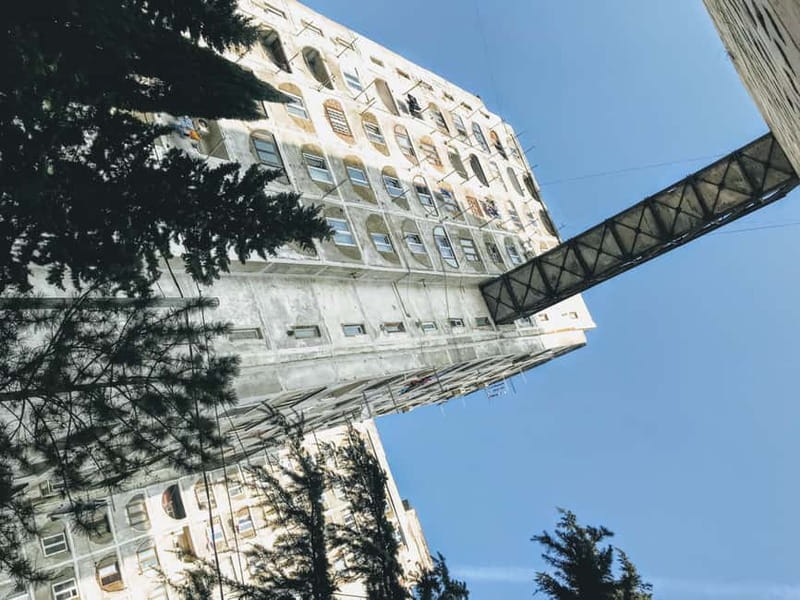
A shorter but still meaningful stop is the Bank of Georgia. Expect a visit, guided tour, and sightseeing time of roughly 20 minutes.
This part works well because it shows another side of monumental architecture. Government and housing get the headlines, but finance buildings also signal authority, order, and the city’s official face. The guide can point out how Brutalist and modernist design language was adapted for different institutions, not only for ministries.
Local bakery break: fuel for concrete-sightseeing
You get a 15-minute pause for local snacks at a neighborhood bakery. This is not a full lunch, but it is a smart rhythm break. When you are spending time in heavy architecture, you need a quick reset for your legs, your eyes, and your stomach.
Bring patience here. The bakery stop is short by design, so you might want to keep it simple: grab something easy to eat and keep moving when the group does. It is a good chance to taste Georgia without turning the tour into a long meal.
Suicide Bridge: the haunting side of urban planning
No Brutalist-style tour in Tbilisi is complete without the darker, heavier storytelling. The Suicide Bridge is included for a reason, and you should go into it with the right mindset.
This is a “why does the city have this” stop. The guide frames it as part of the city’s darker history, not a thrill photo spot. You get the context that helps you understand how infrastructure becomes linked to human experiences over time.
If you prefer clean, cheerful sights only, this may feel uncomfortable. But if you want the real city, you need stops like this.
Former Museum of Archaeology: modernism in an abandoned state
Another included highlight is the Former Museum of Archaeology, a modernist design that is now abandoned yet still visually powerful. Standing in a place like this changes your sense of time.
You do not have to be an architecture expert to feel it. The scale, the geometry, and the way the building holds space are still there, even without active use. The guide can explain why the design feels so present, why abandoned modernist spaces hit differently than abandoned older buildings, and how that affects the surrounding neighborhood.
This stop also ties into the tour’s core idea: Soviet legacy is not just preserved. It is also decayed, reinterpreted, and sometimes left behind as the city moves on.
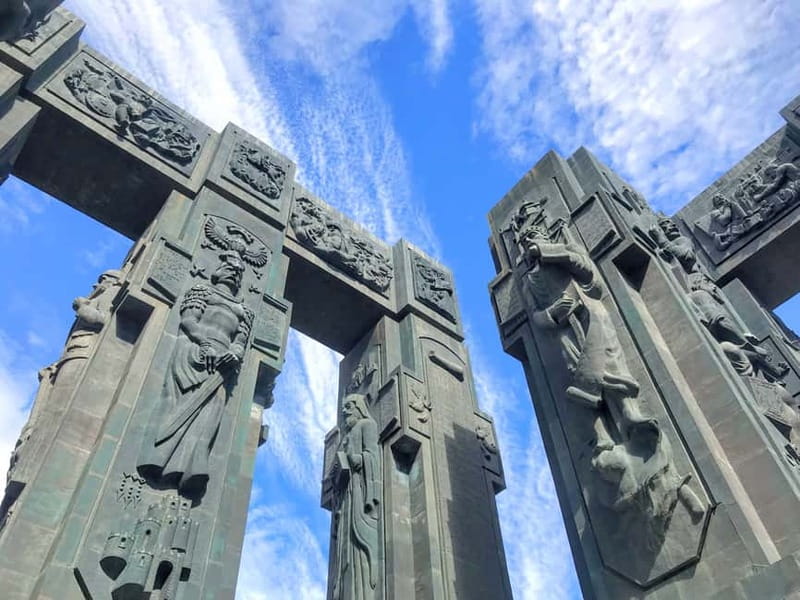
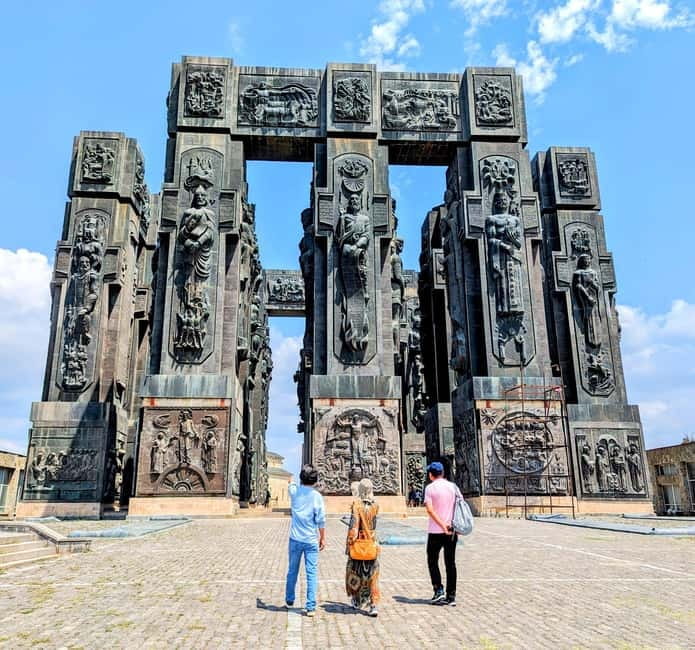
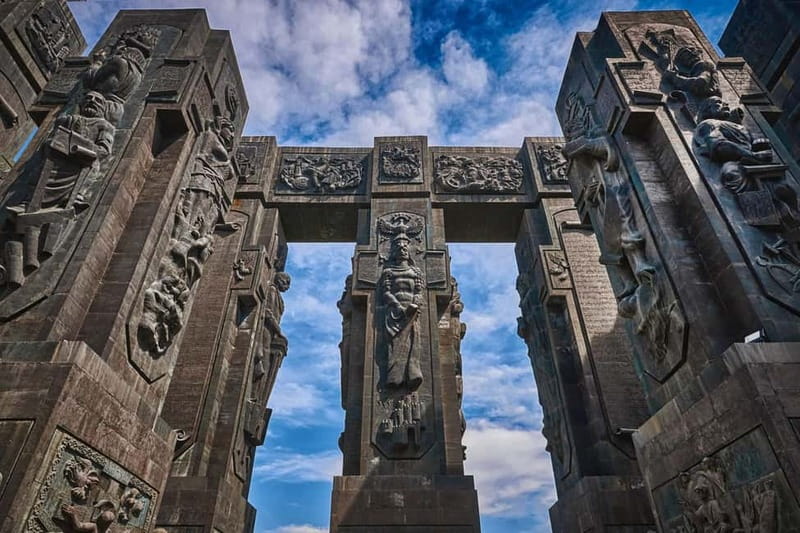
Chronicle of Georgia, also called Georgian Stonehenge
Your biggest viewing moment is the Chronicle of Georgia, often compared to a type of Stonehenge due to the monumental sculpture presence. Expect a photo stop, guided time, free time, and an aerial view moment, with about 45 minutes dedicated to this area.
It overlooks the Tbilisi Sea, and that alone makes it worth it. You see the sculptures against the wider terrain, and the city’s form becomes obvious: where people gather, what angles dominate, and how the monument sits in relation to the city.
What makes this stop valuable is the guide’s framing. It is not only about admiring sculptures. It is about understanding why monumental art was used to build shared identity, and how the meaning shifts decades later when Georgia has a different political reality.
Drop-off at the Giant Bicycle: how to plan your next stop
The tour ends with drop-off at two locations in Tbilisi, including Гигантский велосипед, the Giant Bicycle area. It is a handy end point because you can easily continue exploring on your own afterward, and you avoid the stress of getting back to your hotel straight from the most remote-feeling parts of the route.
If you still want more architecture after this, use the final area to pick a direction based on where your energy is. This tour is structured as a concentrated half-day, so keep the rest of the day lighter.
Price and value: what you get for $75 per person
At $75 per person for about 4 hours, the value comes from the mix of guided access, transport, and included entries.
Here is what you are effectively paying for:
- A local guide who explains not only what you see but why it was designed that way.
- Entrance fees where needed.
- Bottled water.
- Door-to-door pickup when you choose the private option, plus you get driven between sites so you avoid long walking.
You are also not stuck in a mass-tour rhythm. The private group format helps you spend more time at each location and ask follow-up questions. Plus, there is a social impact component: part of the fee supports internally displaced people (IDPs). That is not a reason to book alone, but it is a real plus when you care about how tourism funds local priorities.
What is not included is lunch. So if you start early and your day is packed, plan a light meal before or after.
The guides make the difference, and names you might meet
One of the most praised aspects is the guide quality. You may be guided by people like Jonah or Khatuna, and you might also hear names such as Khato, Khatuma, Aleksi, Oksana, Alex, and Alexo.
The common thread in the feedback is how the guides turn “concrete and statues” into stories you can actually repeat later. You get explanations that connect architecture to daily life, and a human tone that keeps the tour from feeling like a lecture.
There is also a sense of flexibility. In one case, a surprise extra stop like the Palace of Rituals showed up at the end based on the group and guide timing. Do not count on that every time, but it is a nice reminder that this company is not strictly robotic.
Practical notes that will save you discomfort
This experience is strict about comfort and behavior at the sites.
Bring:
- Comfortable shoes. Even with car travel, you will stand and walk short distances.
Not allowed:
- Pets
- Oversize luggage, baby strollers, and large bags
- Alcohol and drugs
Not suitable for:
- Children under 12
- People with mobility impairments
- People afraid of heights
Also note that the tour duration can vary with traffic and weather. That matters because some stops are weather sensitive, and the route depends on conditions.
Who should book this Brutalist Tbilisi tour
Book it if you:
- Love architecture but want the story, not just the photo.
- Want a Soviet and modernist angle that most conventional Tbilisi tours skip.
- Prefer car travel and a tight half-day plan over long walking loops.
- Enjoy places with both beauty and tension, including abandoned modernist spaces and darker history sites.
Skip it if you:
- Have limited mobility or rely on a wheelchair, since electric wheelchairs are not allowed and the tour is not designed for mobility impairments.
- Are very afraid of heights, because sky bridges and elevated viewpoints are part of the experience.
Should you book this tour?
If you want Tbilisi to feel real, not staged, I think this is an easy yes. The value is strong for a half-day format: transport plus a focused architecture guide, a mix of iconic monuments like the Chronicle of Georgia and Nutsubidze Skybridge, and less common stops such as Suicide Bridge and the abandoned museum site.
My main reason to hesitate is simple: this tour includes heavy themes and height exposure. If that fits your comfort level, you will come away with a much deeper sense of how Tbilisi grew, broke, and kept going.
FAQ
How long is the Brutalist Tbilisi experience?
It runs for about 4 hours. The exact timing may shift due to traffic and weather.
What is the meeting and pickup setup?
Pickup is included at your accommodation or another central location in Tbilisi, depending on the selected option.
What languages do the guides speak?
The live tour guide is available in English and Russian.
Is lunch included?
No, lunch is not included.
Is this tour suitable for children or mobility needs?
It is not suitable for children under 12. It is also not suitable for people with mobility impairments, and electric wheelchairs are not allowed.
Can I cancel and get a refund?
Yes. Free cancellation is available up to 24 hours in advance for a full refund.
Recently reviewed around Tbilisi
- Tbilisi City Tour★ 4.5 · 3 reviews
- Tbilisi City, Jvari Monastery, Uplistsikhe caves, Mtskheta city Private Day Trip★ 4.5 · 3 reviews
- Tbilisi City Tour with Street Photography★ 5.0 · 3 reviews
- Private Trip to Tbilisi and Mtskheta – Cultural Capitals★ 5.0 · 3 reviews
- Wild Georgia 4WD PACK Adventure through Kakheti and Kazbegi 2in1★ 5.0 · 3 reviews
- Tbilisi Airport to Gudauri, Bakuriani, Batumi, Tbilisi★ 5.0 · 3 reviews
- Private Adorable City Tour of Tbilisi★ 5.0 · 3 reviews
- Private Wine Tour In Kakheti Region with 7 Wines and Lunch★ 5.0 · 3 reviews
Soviet-Era Sites, compared.
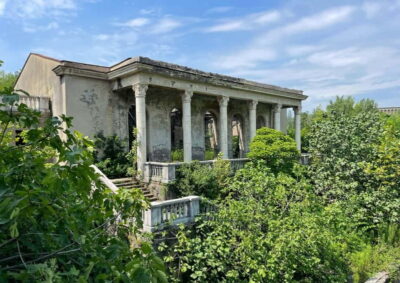
Abandoned sanatoriums of tskaltubo – group tour from Kutaisi
Read our review →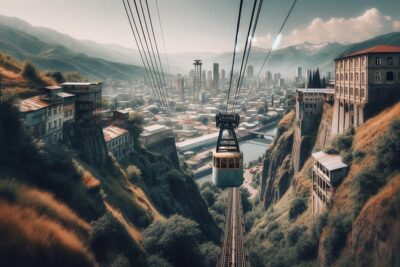
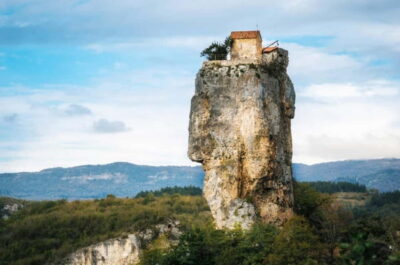
Chiatura Tour with Katskhi Pillar & Cable Car Experience
Read our review →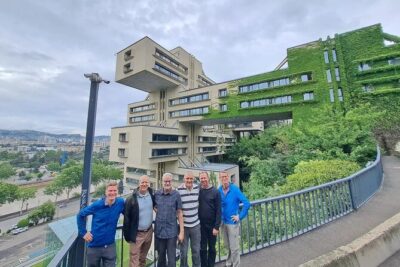
Tbilisi old town & soviet heritage – Private driver-guided Tour
Read our review →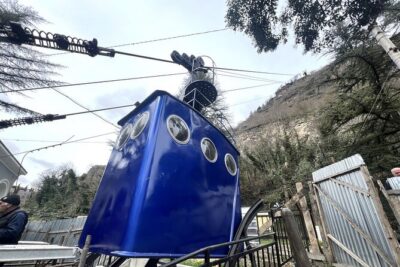
Chiatura Cable Cars & Katskhi Pillar Guided Tour
Read our review →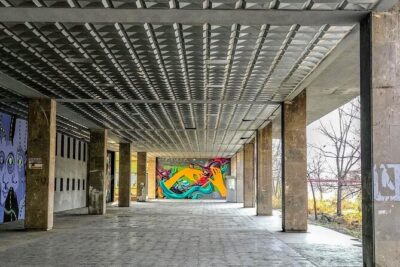
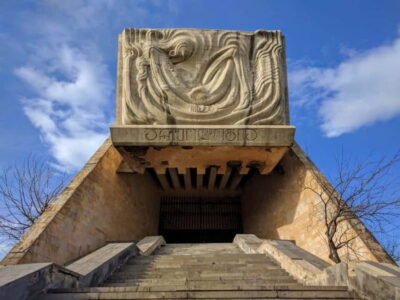
Brutal Tbilisi: Urban exploration and untold stories
Read our review →
Browse the lists this tour appears in