
Reviewed · SOVIET-ERA SITES
Kutaisi: Walking Tour & Tskaltubo Abandoned Sanatoriums
Kutaisi gets interesting fast, but this tour adds a second act that most day walks never touch: you go from postcard bridges and market smells to Soviet-era sanatorium decay in Tskaltubo. It is a smart pairing, because you see how Georgia looked in everyday life, then how it once looked when the state ran spa culture.
I love two things most. First, the Green Bazaar stop, where you actually get a feel for daily trade, produce, spices, and homemade goods, plus that included warm Georgian pretzel. Second, the way the guide, Davit, ties the city sights to what you later see in Tskaltubo, so the abandoned buildings feel like real places, not just photos.
One heads-up: you will walk a fair bit, and you are touring sites that are partly reclaimed by nature. That means you should wear comfortable shoes and expect that access inside buildings may be limited to safer areas. Also, one reviewer felt the English could be tighter, so if you are very picky about language precision, go in with a bit of flexibility.
Key things you will enjoy
- Small group (up to 4), so Davit can slow down and answer questions
- Included Georgian pretzel from a local bakery, right in the middle of real street life
- Green Bazaar time for colors, scents, and market browsing, not just a quick look
- Chain Bridge and Rioni River photos, plus a finish near Bagrati Cathedral
- Tskaltubo sanatorium exteriors and some safe interiors, including the Iveria and Medea sites
Why this Kutaisi walk turns into a must-do Tskaltubo story
This tour is built like a short movie with two scenes. In Kutaisi, you get your bearings on foot, with a mix of classic viewpoints and lived-in neighborhoods. Then you jump by comfortable vehicle to Tskaltubo for that unforgettable contrast, where Soviet ambition sits out in the open, weathered and slowly overtaken by the outdoors.
I like that it is not just sightseeing. Davit does the explaining in a way that makes the city make sense, from the buildings to the people behind the streets. You are also not left holding a map and hoping. You get practical tips on where to eat, drink, and explore while you are there, and that matters in a city where a couple wrong turns can cost you good time.
And yes, the abandoned sanatoriums are the headline. But the best part is how the tour helps you connect dots, so you understand why these spa towns existed in the first place, and what you are actually looking at when you stand in front of a decaying facade.
More Soviet-era sites in Kutaisi:
- Kutaisi:Chiatura Tour with Katskhi Pillar & Cable Car
★ 4.9 · 433 reviews - Abandoned sanatoriums of tskaltubo – group tour from Kutaisi
★ 4.8 · 99 reviews - Kutaisi:Chiatura Tour with Katskhi Pillar & Cable Car Experience
★ 5.0 · 95 reviews
Starting point in Kutaisi: where the day’s pace makes sense
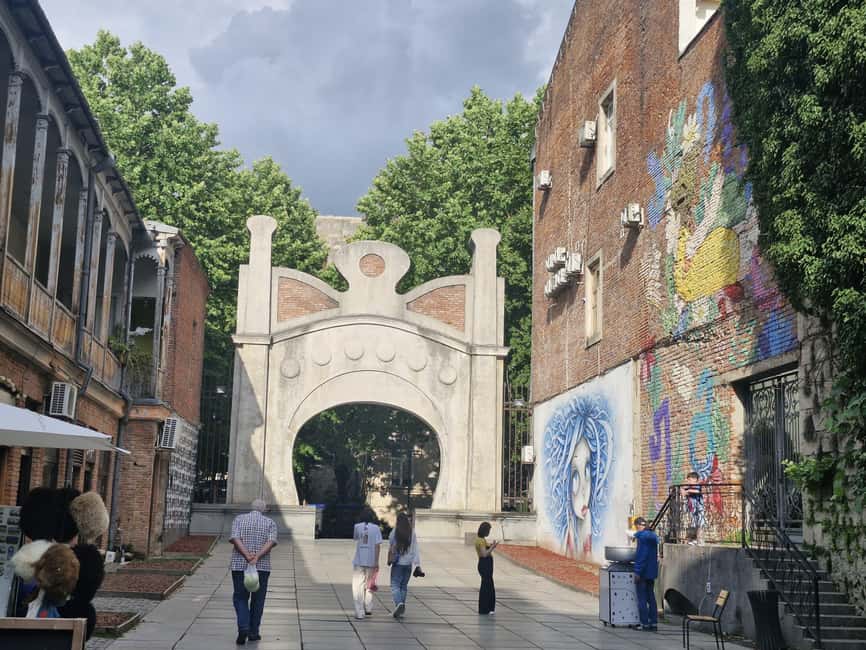
You kick off near the iconic white columns by the Meskhishvili Theatre area. Depending on your booking option, you may start from the TourHub Georgia area by the Boulevard Park colonnade, or you may begin closer to the Colchis Fountain. Either way, the goal is the same, get you walking through the center without wasting time.
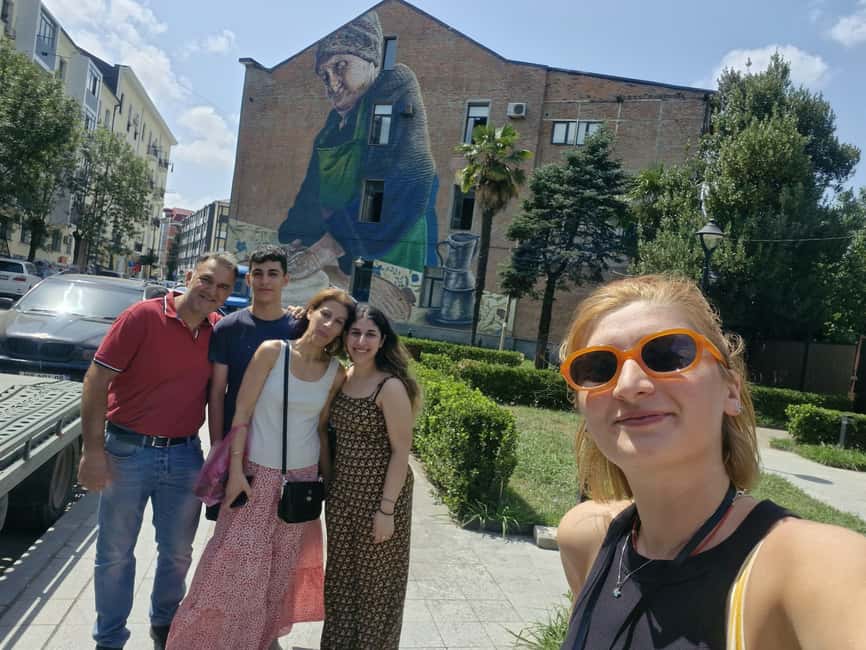
The first stretch down historic Rustaveli Street is a gentle setup. You are not thrown into a long climb or complicated route immediately. You get to enjoy the atmosphere, spot landmarks, and listen as Davit points out details you would normally miss.
This is also a good place to confirm your walking comfort. You will be on your feet through multiple stops, including photo time and market time.
Colchis Fountain and the opening photos
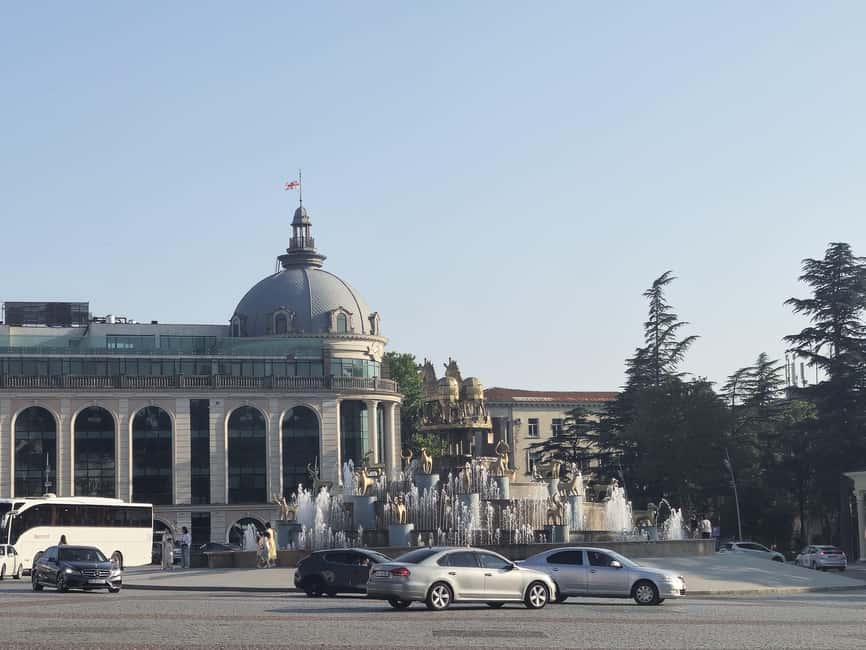
Early on, you have a short moment at Colchis Fountain for a bit of sightseeing and photos. It is a quick stop, but it works. It gives you context, and it helps you calibrate what kind of day you are having. This tour mixes small, meaningful moments with longer story stops later.
If you like to photograph architecture and street scenes, this is the kind of beginning that gets you in the right headspace.
White Bridge and Chain Bridge: river views that anchor the tour
You will spend time at the White Bridge for a photo stop and sightseeing. This is where you get the kind of perspective that makes Kutaisi feel bigger than you expected. The tour then keeps the river theme going, with a stroll across the Chain Bridge and views over the Rioni River.
I like this part because it is visually satisfying without feeling like a forced tourist checklist. Bridges are a simple way to show a city’s shape, and the Rioni views give you that wide-angle geography you can reference later when you look back at your photos.
Plan for a short pause here. Even if it is not long, it tends to be the moment you stop walking and really look.
More walking tours in Kutaisi:
- Kutaisi: Cultural Walking Tour
★ 4.9 · 66 reviews - Kutaisi Walking Tour
★ 5.0 · 59 reviews - Kutaisi walking tour with A GLASS OF FINE WINE
★ 4.5 · 48 reviews - Kutaisi: Guided Walking Tour with Local Snack
★ 5.0 · 16 reviews
A local pretzel stop: a snack that feels like a window into daily life
One of the standout perks is the included Georgian pretzel from a local bakery. This is not a random snack piled on top of a tour. It is placed right where you are walking, so you get a warm, fresh break and a taste of ordinary Kutaisian rhythm.
I recommend you actually eat it slowly and pay attention to texture and salt. Market areas and bakery streets in Georgia have a specific comfort to them, and this stop helps you shift from seeing sights to feeling the city.
If you are the type who always says you will eat later, do yourself a favor and take this break when it comes.
Green Bazaar: where you learn the city through what people buy
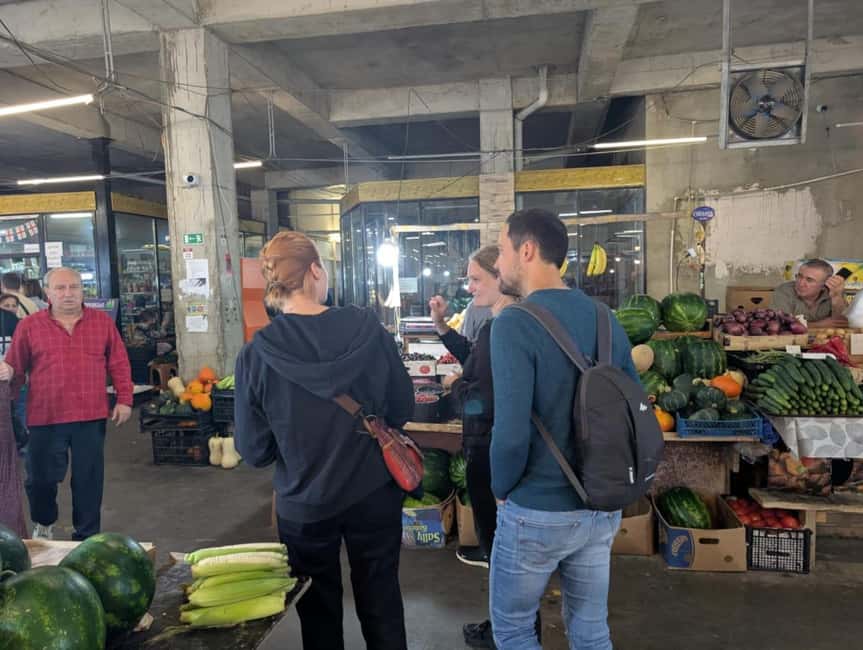
The Green Bazaar is one of those stops that feels like a mini education. You are not just viewing stalls from the outside. You get inside time to see fresh produce, spices, and homemade goods, and you can watch locals trade and browse.
What you will love here is the mix. It is practical, colorful, and sensory. Even if you do not plan to buy anything, you will still come away with a clearer sense of what Kutaisi kitchens and food habits look like.
Bring a little cash if you want market treats. The pretzel is included, but the bazaar offers plenty of extra temptations. The guide will also help with suggestions, based on what you like, sweet versus savory, quick snacks versus sit-down meals.
A viewpoint and a short secret photo stop
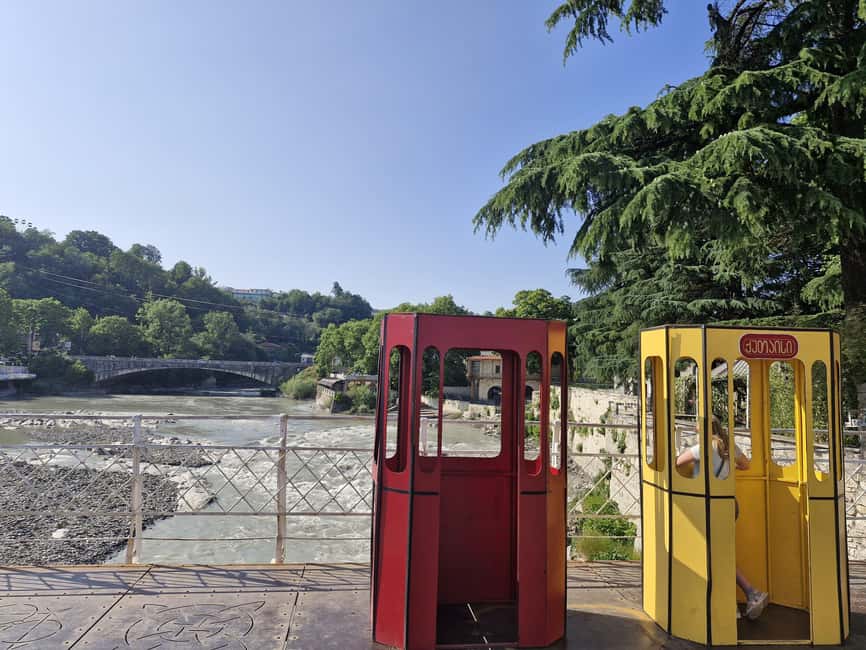
The tour includes a viewpoint photo stop and a short secret stop that is mainly for photos and walking through a passing stretch. These are the kind of stops that separate a standard walk from a guide-led one.
You are getting chances to frame the city from angles you might not think to search on your own. If you want a clean set of photos for social media or just your own memory archive, these moments are worth it.
Time for shopping and a food market visit
After the bazaar, you get a window that supports browsing and shopping, plus another food market style visit. This is where you can slow down if you want to pick up small gifts or local edible souvenirs.
Keep expectations realistic. This is a guided walking experience with limited time. You will not have hours to wander, but you will have enough opportunity to decide what you truly want, not just what looks good at first glance.
Ending at Bagrati Cathedral steps
The Kutaisi walking portion ends near the foot of the steps to Bagrati Cathedral. This is a satisfying landing. You finish with a major landmark, so the day feels complete rather than chopped in half.
It also sets you up for the transition to Tskaltubo, because you get one last strong skyline moment before you leave the city center by vehicle.
The ride to Tskaltubo: comfort before the mood shifts
Once the Kutaisi walk is done, you head to Tskaltubo by comfortable vehicle, about 20 minutes from the city. This matters, because it lets you switch gears. You are moving from city walking to a slower, more contemplative exploration of places shaped by time.
Expect the atmosphere to change immediately. Tskaltubo is known for lush parks and old Soviet spa buildings that now feel eerie in a quiet, human way.
Tskaltubo sanatoriums: exteriors, safe interiors, and Soviet spa ambition
This is the heart of the tour. Tskaltubo used to be a luxury Soviet spa resort. Today, it is famous for abandoned sanatoriums, grand buildings left behind as nature starts taking them back.
You will walk through parks and streets and focus mostly on the exteriors, with some safe interiors depending on the building. The Iveria and Medea sanatoriums are specifically named stops, and you will spend time photographing and listening to their history and the spa culture behind them.
What I find valuable is that the guide explains the logic. You are not only looking at cracked walls. You are learning how this place fit into a Soviet idea of health, luxury, and public investment. That framing gives your photos more meaning and keeps the tour from feeling like pure urban exploration.
Also, one review mentioned appreciating both abandoned and restored examples. That is important, because it prevents the day from becoming only dark ruin. You see a range, not a single uniform mood.
Tips for photography and walking in the sanatorium area
You will be on foot in a place where sidewalks may be uneven, and where nature and decay can change footing. Wear shoes that grip. Bring your camera, obviously, but also bring patience for lighting. Ruins can look great from one angle and flat from another.
If you care about photos, pay attention to what the guide recommends for viewpoints. A good guide reads the space faster than you can, and you save time by standing where it is worth standing.
What Davit’s guide style does for this tour
Davit comes up again and again in the reviews for a reason: he explains with details, connects sights to stories, and stays ready to answer questions. That makes a huge difference in a tour like this, where some stops can feel random if nobody puts them in context.
One reviewer also noted his sense of humor, which helps when you are in a setting that is visually heavy. The tone stays friendly, even as the buildings get more dramatic.
If you like tours where you can ask follow-ups, this is the kind of group setup you want. It is a small group of up to four people, so it is easier to get one-on-one attention rather than being stuck in a tight line behind a crowd.
Price and value: why $31 can actually make sense here
At $31 per person for roughly 2 to 4 hours, this is one of the more cost-effective ways to cover both Kutaisi center highlights and the Tskaltubo sanatorium area. The math is simple:
- You get a guided Kutaisi walking section with multiple landmark photo stops
- You get a Green Bazaar visit plus an included pretzel
- You get a vehicle ride to Tskaltubo and time in the sanatorium area
- You get a live English guide, Davit, with storytelling and recommendations
The main extra costs you might add are small things like market treats you choose to buy and optional tipping. The base price already covers the hard parts: guide time plus transport plus curated stops.
If you are visiting with limited time, this tour saves you from piecing together directions, figuring out what is worth seeing, and guessing where to eat right after.
Who this tour is best for
I think this works especially well for you if:
- You enjoy a mix of city walking and offbeat sites
- You like learning the why behind buildings, not only the what
- You want a small group experience with time for questions
- You take photos and want guidance on angles and photo moments
It might not be your best fit if:
- You want a purely relaxing, low-walking half day
- You expect full access to every building interior
- You are sensitive to uneven footing and the practical realities of abandoned sites
Quick packing checklist so you feel comfortable
Bring:
- Comfortable shoes
- Camera
- Water
That is it. And that is plenty, because the tour already provides the included snack and the planned story stops.
Should you book this Kutaisi plus Tskaltubo tour?
If you want one day in Georgia that feels like two very different worlds, book it. The included pretzel and Green Bazaar stop keep the Kutaisi part grounded in real daily life. Then Tskaltubo gives you that memorable Soviet-era contrast, with Iveria and Medea as headline stops and a guide like Davit who turns the buildings into something you understand.
Go ahead and choose it if you like guided context, small groups, and photos with meaning. Just do yourself a favor and wear solid shoes, because you will be walking, and you will be spending time in an area where nature and time have had a say.
Recently reviewed around Kutaisi
- Wine & Dine group tour from Kutaisi★ 4.6 · 3 reviews
- Wild Caving Experience in Melouri Cave Near Kutaisi★ 5.0 · 3 reviews
- Private tour from KUTAISI: Bagrati, Gelati and Motsameta★ 5.0 · 5 reviews
- Ski & Snow Tour to Bakuriani from Kutaisi with Borjomi Stop★ 5.0 · 5 reviews
- Break Bread with Kutaisi Locals★ 5.0 · 4 reviews
- WINE & DINE Tour from Kutaisi★ 5.0 · 34 reviews
- Causacus mountains at Majestic SVANETI and MESTIA from Kutaisi★ 4.5 · 4 reviews
- Prometheus Cave, Okatse Canyon & Martvili Canyon from Kutaisi★ 4.5 · 28 reviews
Soviet-Era Sites, compared.
Abandoned sanatoriums of tskaltubo – group tour from Kutaisi
Read our review →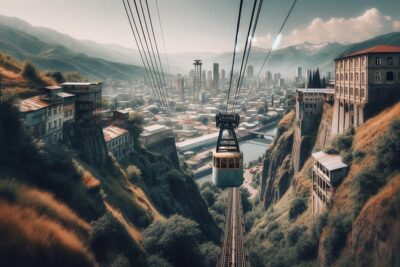
Chiatura Tour with Katskhi Pillar & Cable Car Experience
Read our review →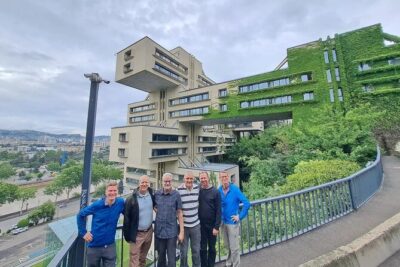
Tbilisi old town & soviet heritage – Private driver-guided Tour
Read our review →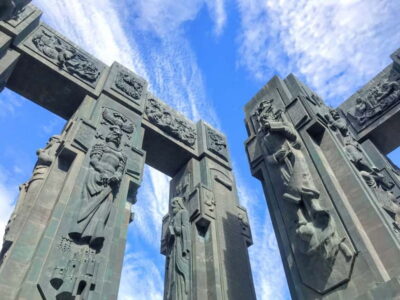
Brutalist Tbilisi: Urban exploration and untold stories
Read our review →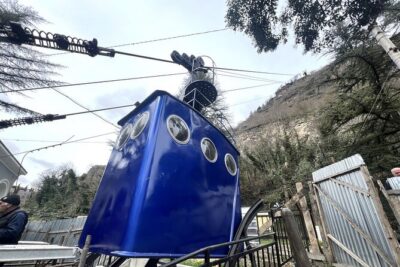
Chiatura Cable Cars & Katskhi Pillar Guided Tour
Read our review →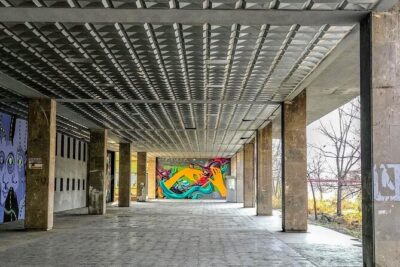
Brutal Tbilisi: Urban exploration and untold stories
Read our review →Browse the lists this tour appears in