
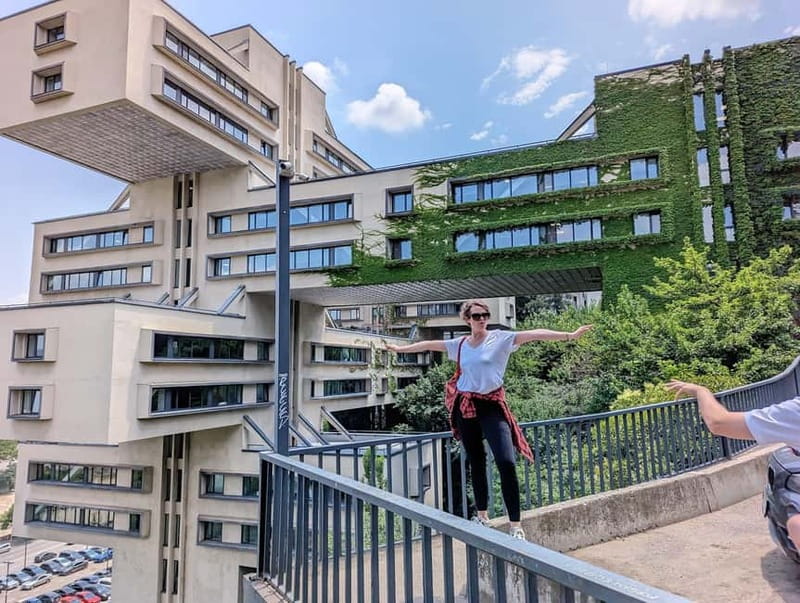
Reviewed · SOVIET-ERA SITES
Hidden Tbilisi: A Journey Through Modernism & Brutalism
A Hidden Tbilisi tour is interesting because it teaches you to read buildings like documents from another time, not just pretty backdrops. I love seeing Soviet-era modernism and brutalism up close, and I love how the route includes Skybridge and other off-the-main-radar structures that most people skip. The one thing to consider is that this isn’t an easy, sit-down kind of outing, and a few places may not be reachable depending on conditions.
I also like that you get an actual guide, not a self-guided blur. Guides named Alex, Khato, and Khatuna stand out in the way they connect architecture to everyday life and local stories, which is what makes the buildings feel human. The drawback: if you want a big, flexible sightseeing day, you may feel the limits, since some locations can’t be entered and the Wedding Palace interior is not possible.
Key Stops and Why They Matter
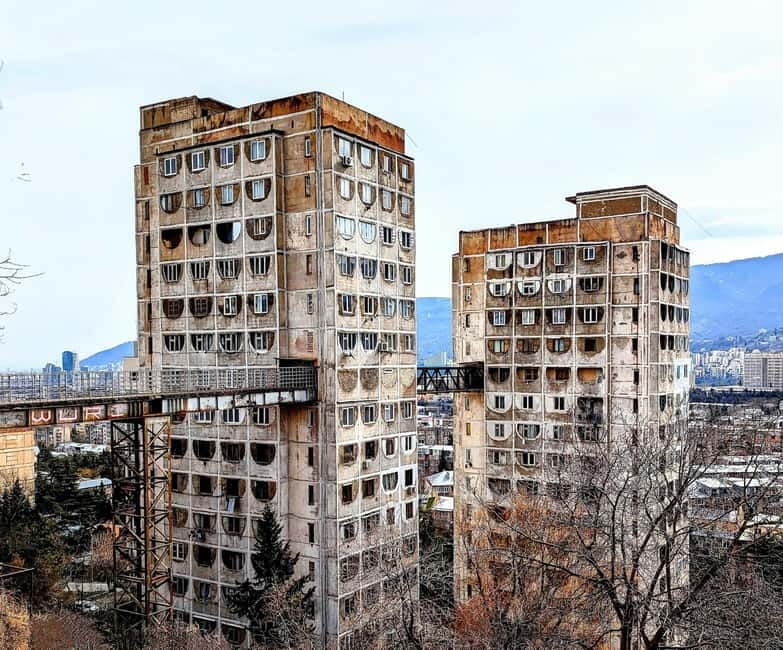
- Skybridge: a concrete idea about connection and aspiration, not just a photo spot
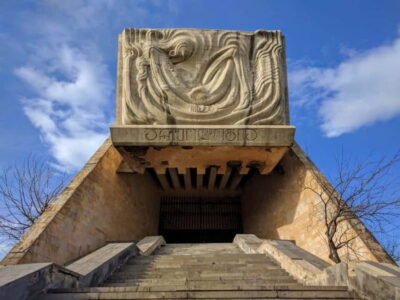
- Crematorium on cemetery grounds: brutalist design shaped by grief, routine, and memory
- Wedding Palace (outside only): a rule-breaking building you still get to interpret properly
- Ministry of Roads building: a futuristic government dream, frozen in concrete
- Archaeological museum and dungeon: time layers, from ancient finds to darker underworld spaces
- Khachapuri snack break: a practical pause that turns the tour into a real Georgia day
Why Soviet Modernism Feels Personal in Tbilisi
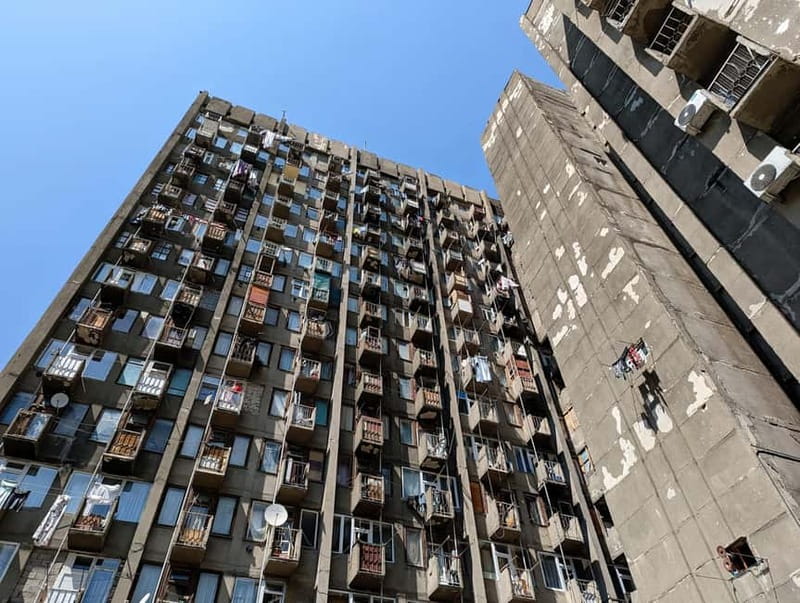
This tour focuses on architecture from the Soviet period that many visitors never notice, because it sits beyond the usual old-town loop. In Tbilisi, modernism and brutalism often look harsh at first glance. But with the right explanations, they start to feel like a language people used to plan life: where work happened, where ceremonies mattered, where infrastructure meant the future.
I like the way this outing treats buildings as evidence. You’re not just looking, you’re learning how form and function were argued in concrete. And I also like how it keeps the stories grounded in the present, including the idea that some structures are on the brink of disappearing.
One more practical note: you should be prepared for uneven walking and standing time. The tour is designed for people who enjoy moving between sites on foot and taking in details.
More Soviet-era sites in Tbilisi:
- Tbilisi: The Urbex and Soviet Tour of Tbilisi
★ 5.0 · 127 reviews - Tbilisi old town & soviet heritage – Private driver-guided Tour
★ 5.0 · 83 reviews - Brutalist Tbilisi: Urban exploration and untold stories
★ 5.0 · 82 reviews
Skybridge: A Concrete Idea of Connection
The Skybridge is the kind of structure you could easily photograph without understanding. That’s the problem the tour solves. Instead of only pointing and moving on, you get context about why it exists and what it symbolizes in the city.
Think of it as a vertical promise. It reads like an engineering statement about connectivity, but it also suggests optimism during a period when planners wanted cities to feel linked and modern. When your guide frames it that way, the view from and around the bridge changes from scenery into a story about ambition.
What I’d watch for during this stop is how the bridge sits within the urban fabric. Brutalist-era planning often cared about lines, massing, and movement more than softness. Seeing that in real scale makes the style make sense.
Crematorium and Cemetery Design: Architecture for Mourning
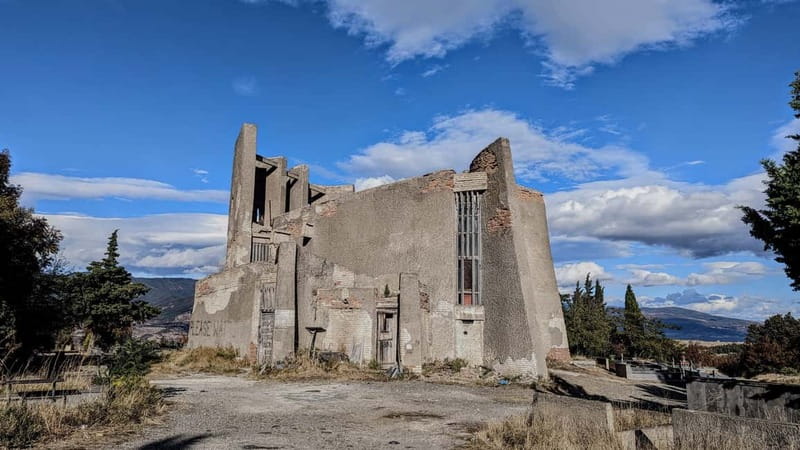
One of the strongest parts of this experience is the cemetery visit, because the focus isn’t macabre. It’s about design choices made for remembrance and routine. The crematorium building has a unique look, and your guide explains how that design fits the setting.
Brutalism tends to show up in public buildings and institutions, but here it also intersects with death. That contrast makes the stop emotionally different from the more everyday structures. You’re looking at the cold side of planning, but you’re also seeing how people tried to create dignity through form.
Practical tip for this stop: bring your camera if you like detail shots. Even in less photogenic weather, the hard edges and strong angles usually photograph well. Just also keep room for listening, because the meaning is the point.
Wedding Palace Views: What You Can See, and How to Read It
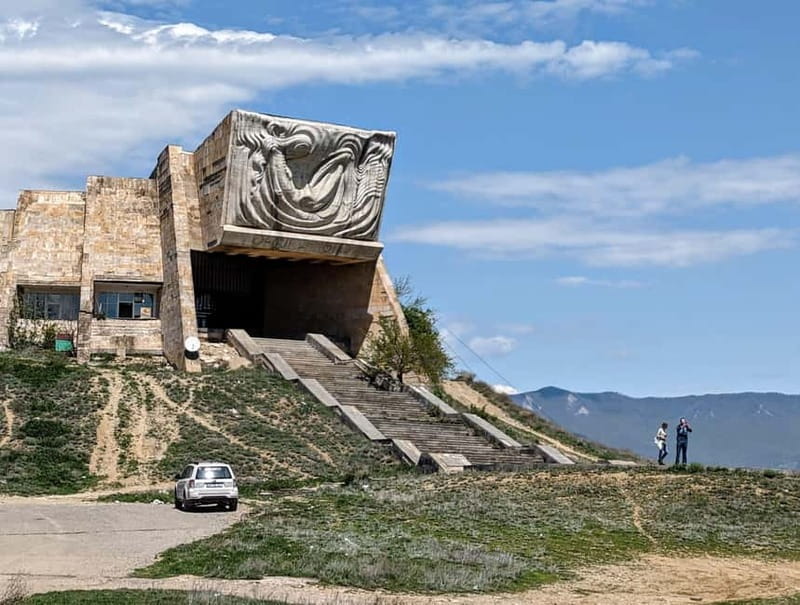
The Wedding Palace is one of those buildings that immediately grabs attention because it refuses to follow the normal rules of what people expect. The tour helps you see why local architects built it like that, and what it tells you about the era’s attitude toward ceremonies and design.
Here’s the key limitation you should plan for: you cannot enter the Wedding Palace territory or its interior on this tour. You will observe and discuss its architectural significance from the outside.
That could sound like a letdown if your goal is interior photos. But it can also be a good reality check. If you arrive expecting a quick exterior glance, you might miss the real learning moment. With the right guide, you’ll study the façade and layout like a text, noticing how the building communicates celebration through shape rather than ornament.
A few more Tbilisi days worth putting side by side
- Tbilisi: Day Trip to Kazbegi, Gudauri, Gergeti, and Ananuri
★ 4.9 · 3,203 reviews - Day Trip to Kakheti Wine Region Including 9 Wine Tastings
★ 5.0 · 2,774 reviews - Highlights of Caucasus Mountains-Jinvali,Ananuri,Gudauri,Kazbegi(Group tour)
★ 5.0 · 2,682 reviews - From Tbilisi: Kakheti Wine Region Tour with 9 Wine Tastings
★ 4.9 · 2,541 reviews
Ministry of Roads: Government Futurism in Concrete
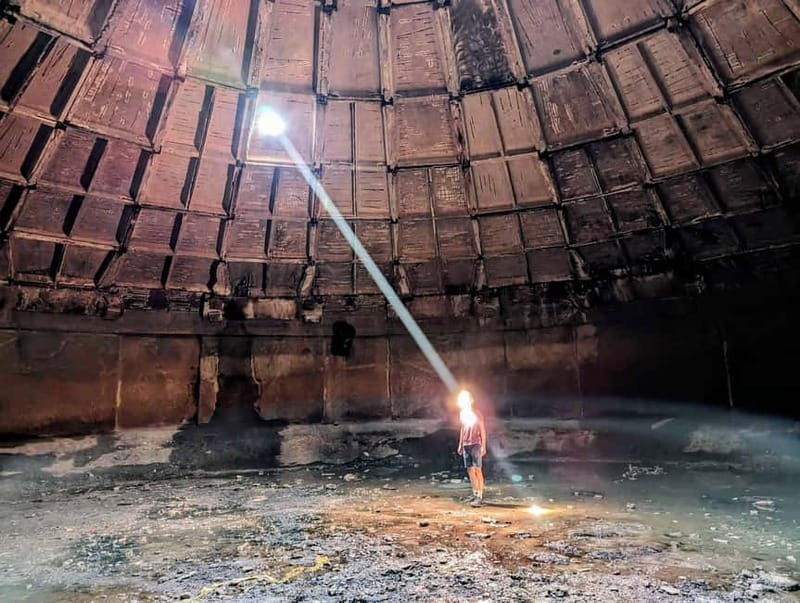
Next comes a more futuristic-looking structure, the Ministry of Roads building. It’s the kind of architecture that feels like it’s from a movie set. But on this tour, you learn that it’s actually tied to real plans, real ambition, and real priorities.
Roads are infrastructure, but in the Soviet period they also represented progress. Your guide helps connect the building’s look to that mindset. It’s not only about the structure itself. It’s about why a government would want to project modernity in a hard-edged style.
What makes this stop valuable is the way you’ll start noticing recurring themes across the tour. You might see similar ideas about mass, movement, and authority. That’s where architecture stops being random and becomes a citywide argument.
Archaeological Museum and the Dungeon: Stacking Time Layers
One of the more surprising stops is the archaeological museum area, along with the enigmatic dungeon. This is where the tour does something smart: it reminds you that modernism and brutalism are not the beginning of the story. Tbilisi’s built environment holds multiple eras stacked together.
The archaeological museum helps you understand what came before the concrete age. Then the dungeon adds a darker note, making the concept of history feel physical. Instead of history being a slideshow, it becomes a space you walk through or stand near, depending on access.
Even if you’re not an “archaeology person,” this stop helps you develop a useful habit. You start asking, what role does this building play in how a society tells its own story? You’ll leave with a better sense of how the city uses space to control memory, learning, and meaning.
Snack Break and Khachapuri: A Very Georgian Pause
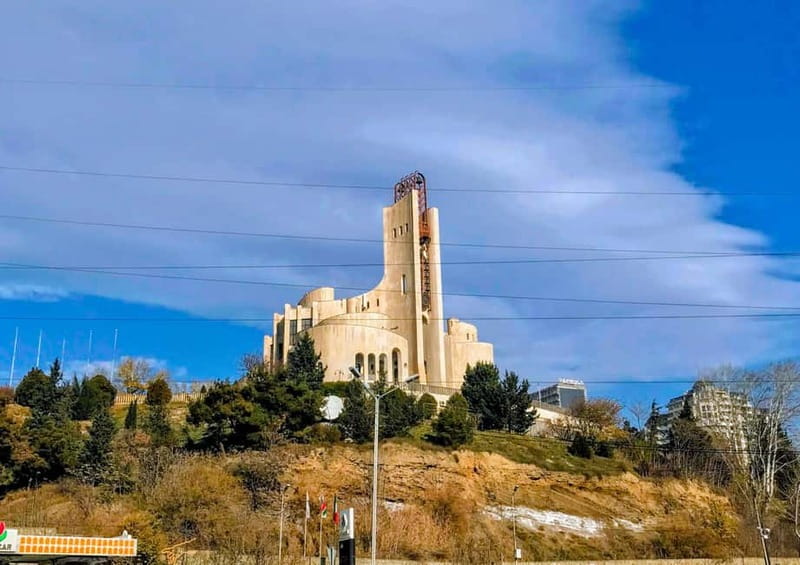
Good architecture tours can get stuck in facts and lose the human pacing. This one includes a snack break, and it’s not an afterthought. Your guide may introduce a local bakery known for its khachapuri, which is a big part of why this tour feels like a day in Georgia rather than a museum visit.
This is the moment you’ll appreciate comfortable shoes. You get a chance to sit, eat, and reset your brain before you head back out to look at more buildings.
If you’re sensitive to timing, just know the snack stop is part of the flow. It’s not only for hunger, it also helps your eyes process what you just learned.
How the 6-Hour Private Format Works for You
This is a private group experience, sized for small teams. The listing notes a price per group up to 2 people, which means you and your companion can get more of the guide’s attention than you would on a crowded city bus tour.
Duration is 6 hours. That’s long enough to cover real ground, but short enough that you still feel flexible. It’s also a useful length if you want architecture without turning the day into a marathon.
Hotel pickup and drop-off are included, with pickup from Tbilisi at your address. That matters in practical terms. You lose less time negotiating transit and waiting around. You can focus on the walk between stops and on listening to the guide’s explanations.
English live tour guide is included, and you can expect the guide to answer questions as you go. If you like asking why a building looks a certain way, this format makes that easier.
Price and Value: What $176 Gets You
The price is listed at $176 per group up to 2. That can sound like a lot until you think about what’s inside the day: private guiding, hotel pickup and drop-off, transportation, and access support like skipping the ticket line.
Here’s how I’d judge the value. If you’re a couple, two friends, or traveling with someone who also likes architecture, private guiding tends to become cost-effective fast. You’re paying for interpretation and access to sites you might not find on your own, especially the modernist and brutalist examples that sit outside the standard tourist map.
If you’re traveling solo, it’s still easier to justify if you’re serious about the topic. A 6-hour focused walk with a strong guide can replace hours of research and guesswork. That’s especially true when some locations may not be accessible and your guide plans an alternative of equal interest.
Also remember the tour avoids the biggest frustration of many architecture visits. You’re not wandering around trying to figure out what you’re looking at. The guide brings the story, and the story makes the buildings more readable.
What to Bring, Wear, and Plan Around
This tour has a clear “be ready to walk” vibe. Bring comfortable shoes, comfortable clothes, and weather-appropriate layers. You’ll want clothes that can get dirty, which is a clue that you should avoid anything precious or high-maintenance.
A camera helps, because the style here is all about shape and surfaces. You’ll likely want photos of angles, lines, and how the buildings interact with the street.
A few things are not allowed: pets, baby strollers, luggage or large bags, intoxication, smoking in the vehicle, and alcohol or drugs. If you’re traveling with extra baggage, plan to travel light for this one.
One more important “plan B” reality: some locations may not be accessible due to circumstances, and the tour will include an alternative site of equal interest. That’s normal in a city where access can change, so don’t treat the day as a checklist where every stop is guaranteed exactly as imagined.
Who Should Book This Brutal Modernism Tour
This is best for you if you enjoy architecture as storytelling. You’ll probably get the most out of the day if you like asking questions like, why does this look the way it does, and what did people expect from it.
You’ll also appreciate it if you want a fresh perspective that goes beyond Tbilisi’s more famous old-town sights. The tour’s whole point is to show you modernist and brutalist landmarks and to connect them to Soviet-era life and the changes since.
Your mileage may vary if you want a gentle, stroller-friendly stroll, or if you strongly prefer interior access everywhere. The Wedding Palace interior is not possible, and some other locations may shift based on accessibility.
Age and health matter too. The tour is not suitable for children under 12, and it’s not meant for people with a cold. It also isn’t suitable for wheelchair users and people with mobility impairments.
Should You Book Hidden Tbilisi: A Journey Through Modernism & Brutalism?
Book it if you want Tbilisi to feel like a city of ideas, not just postcards. The standout part here is the guiding, with names like Alex, Khato, and Khatuna coming up for their ability to balance architecture facts with local and personal context. The stops are also smart, since you’ll see concrete buildings tied to ceremony, government ambition, and memory.
Skip it if your ideal day is easy and fully accessible, or if you only want classic sightseeing hits. Also think twice if you dislike walking for 6 hours or you’re bringing a lot of luggage.
If you’re curious about Soviet-era modernism and brutalism, and you want to understand the why behind the shapes, this tour is a strong match. It’s not just a look at structures. It’s a guided lesson in how a city remembers, plans, and changes.
FAQ
How long is Hidden Tbilisi: A Journey Through Modernism & Brutalism?
The tour lasts 6 hours.
What is the price for the tour?
The price is $176 per group up to 2.
Is this a private tour?
Yes, it is listed as a private group.
Do I get hotel pickup and drop-off?
Yes. Pickup and drop-off are included, and pickup is from Tbilisi at your address.
Is the tour guided and in English?
Yes. You’ll have a live tour guide in English.
Can I enter the Wedding Palace during the tour?
No. Entrance to the Wedding Palace territory and its interior is not possible. You will observe and discuss its architectural significance from the outside.
What should I bring or wear?
Bring comfortable shoes and comfortable clothes, ideally clothes that can get dirty. Also bring a camera and dress for the weather.
Is the tour suitable for wheelchair users or people with mobility impairments?
No. The tour is not suitable for wheelchair users or people with mobility impairments.
Are pets or large bags allowed?
No pets are allowed, and luggage or large bags are not allowed.
Recently reviewed around Tbilisi
- Tbilisi City Tour★ 4.5 · 3 reviews
- Tbilisi City, Jvari Monastery, Uplistsikhe caves, Mtskheta city Private Day Trip★ 4.5 · 3 reviews
- Tbilisi City Tour with Street Photography★ 5.0 · 3 reviews
- Wild Georgia 4WD PACK Adventure through Kakheti and Kazbegi 2in1★ 5.0 · 3 reviews
- Private Trip to Tbilisi and Mtskheta – Cultural Capitals★ 5.0 · 3 reviews
- Tbilisi Airport to Gudauri, Bakuriani, Batumi, Tbilisi★ 5.0 · 3 reviews
- Private Adorable City Tour of Tbilisi★ 5.0 · 3 reviews
- Private Wine Tour In Kakheti Region with 7 Wines and Lunch★ 5.0 · 3 reviews
Soviet-Era Sites, compared.
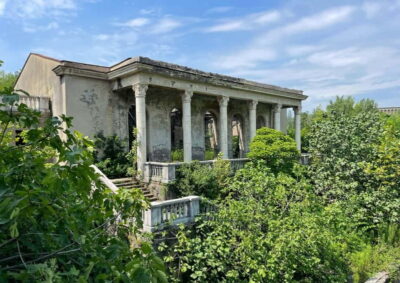
Abandoned sanatoriums of tskaltubo – group tour from Kutaisi
Read our review →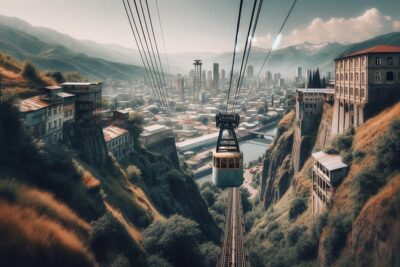
Chiatura Tour with Katskhi Pillar & Cable Car Experience
Read our review →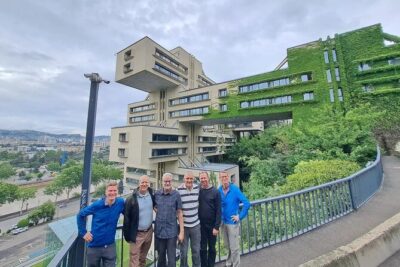
Tbilisi old town & soviet heritage – Private driver-guided Tour
Read our review →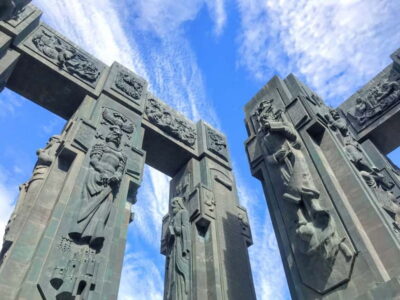
Brutalist Tbilisi: Urban exploration and untold stories
Read our review →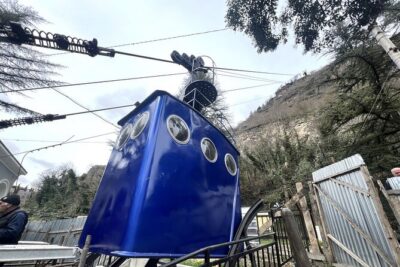
Chiatura Cable Cars & Katskhi Pillar Guided Tour
Read our review →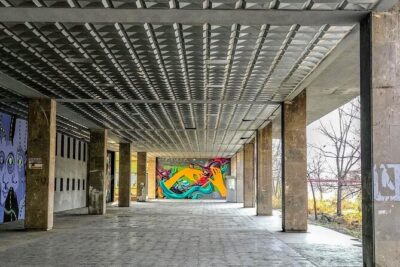
Brutal Tbilisi: Urban exploration and untold stories
Read our review →Browse the lists this tour appears in