Reviewed · TOURS
Tbilisi: Where Tourists Don’t Go – The Forgotten Rails Tour
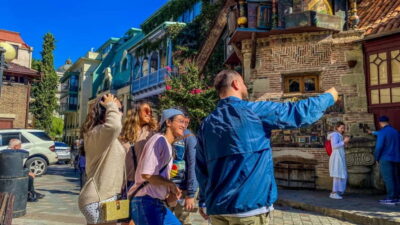
If you think Tbilisi is all balconies, sulfur baths, and viewpoints, this tour is the reality check. It takes you into rail and metro infrastructure that most people never see, including places that are literally sealed off without local help. I especially like the stories behind Soviet-era design, from the Metro idea to what the rail system meant for real neighborhoods.
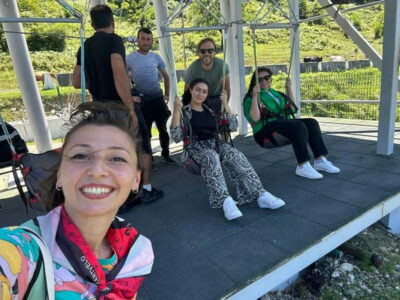
Two other things I loved: the tour feels hands-on, because you visit working or repurposed spaces, not just photo stops, and the guides bring the place to life. You might ride with people like Chinka or Diana, who turn “old trains” into clear, human history. The one drawback is simple: expect a lot of walking and industrial areas. Wear solid shoes, and note it is not suitable for wheelchair users.
Key things you’ll notice on the Forgotten Rails route
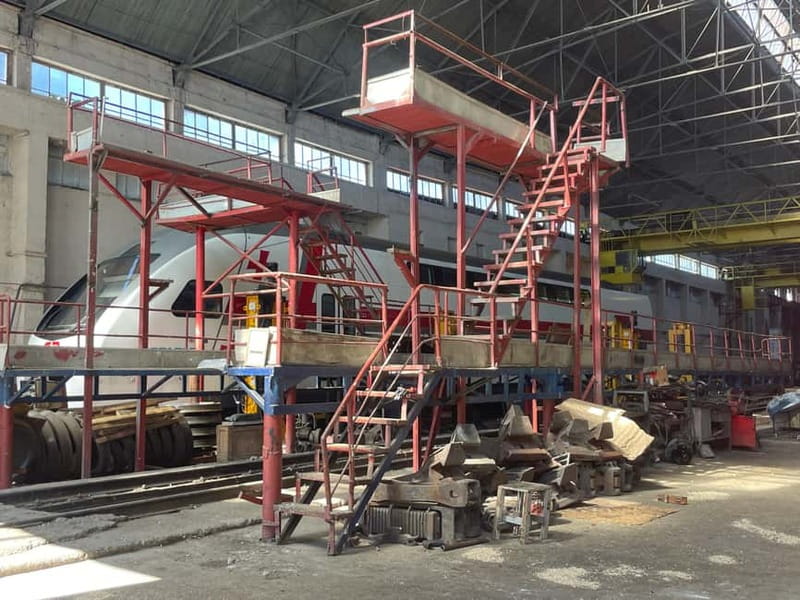
- Restricted-access railway repair station that you cannot reach on your own
- A Metro ride tied to the history of the system you are seeing
- Historic homes of Georgia’s first railway workers, not just monuments
- An active 20th-century mine as part of the industrial story
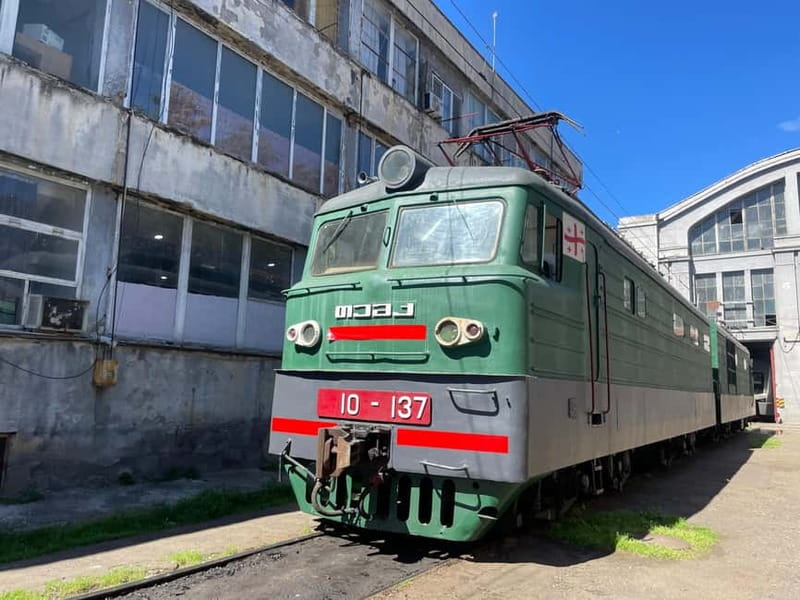
- An abandoned electric depot repurposed as a war-refugee shelter
- A guide-led route that helps you move through less touristy parts safely
Why this underground rails tour feels different from a normal city walk
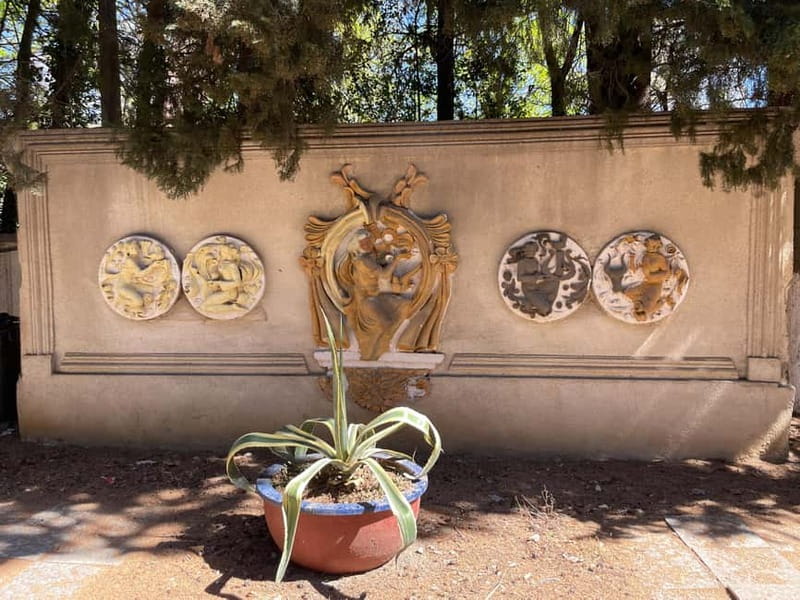
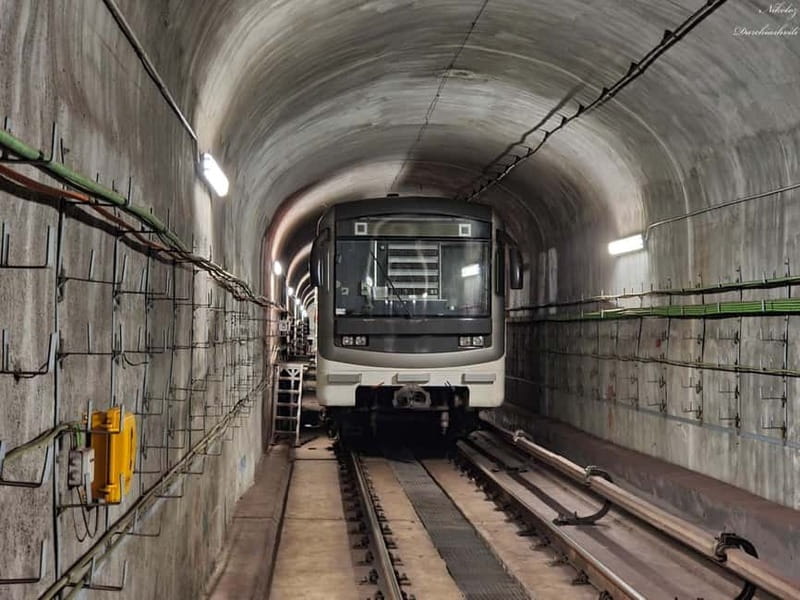
This is not a standard highlight loop. You start at the Metro, then shift from the “pretty Tbilisi” you know to the utilitarian side of the city, where rail lines, repair work, mines, and shelters shaped daily life.
I like that the tour focuses on function. You learn how systems get built, maintained, and eventually abandoned or repurposed. That is what makes the underground theme work. Even when you are not literally underground, you are seeing the infrastructure that powered Tbilisi’s movement and industry.
The other strong point is the way the guide connects past to choices the city is still living with. Soviet-era decisions. Wartime impacts. Later realities, including how refugees found places in these industrial spaces. It is heavy material at times, but it is delivered with clear context and a practical sense of what it meant on the ground.
A few more Tbilisi days worth putting side by side
- Tbilisi: Day Trip to Kazbegi, Gudauri, Gergeti, and Ananuri
★ 4.9 · 3,203 reviews - Day Trip to Kakheti Wine Region Including 9 Wine Tastings
★ 5.0 · 2,774 reviews - Highlights of Caucasus Mountains-Jinvali,Ananuri,Gudauri,Kazbegi(Group tour)
★ 5.0 · 2,682 reviews
Meeting at Rustaveli Metro Station, then moving off the main lanes
You meet your guide in front of Rustaveli Metro Station. That matters because it anchors the tour in how the city actually works today, not just how it looked decades ago.
From there, you move through neighborhoods that do not feel like they exist for tourists. Expect the group to walk from stop to stop, with short explanations that keep the story moving. In a city like Tbilisi, that pacing is key. Industrial sites are not “quick photo ops,” and the best part is hearing why each location fits into the bigger rail and metro picture.
One practical note: this tour includes visits where you will want your legs ready. Comfortable walking shoes are a must. If you do not like uneven outdoor areas or tight group movement in busy spots, you may feel more strain than on a typical sightseeing tour.
Historic worker homes: Georgia’s first rail community, seen up close
One of the first stops is the historic homes of Georgia’s first railway workers. This is where the tour stops being abstract. You can look at the buildings and feel how rail employment created whole communities.
The guides often connect this to how early rail infrastructure brought not just jobs, but permanent settlement patterns. You are not only learning about tracks and stations. You are learning about who lived nearby, why they stayed, and how the railway shaped daily routines.
What I like most about this part is that it gives the rail story a human scale. Instead of treating history like a timeline, you see it as housing, neighborhoods, and long-term neighborhoods built around work.
Potential downside: because these are residential or community-adjacent areas, you will likely be asked to behave respectfully and stay mindful of locals. Keep your voice down, follow the guide’s cues, and treat it like a lived-in space, not an open-air museum.
The 20th-century mine: how industrial work shows up in the city’s memory
Next comes the still-active 20th-century mine. Even if you are not a geology person, this stop gives you a powerful perspective on why rail mattered. Mines do not move product by vibes. They need logistics, repair capacity, and transport systems built for heavy use.
The guide’s job here is to connect the dots. How industrial extraction ties into rail freight and workforce needs. How those demands shaped the surrounding infrastructure. The mine also works as a reminder that “forgotten” does not always mean “gone.” Sometimes it means “out of sight.”
If you like industrial archaeology or “how the machine worked” history, you will probably enjoy this part most. If you prefer only light, scenic stops, the mine’s tone may feel more intense. Either way, it fits the tour’s promise: a behind-the-scenes look at how Tbilisi functioned.
A different sort of day out of Tbilisi:
- From Tbilisi: Kakheti Wine Region Tour with 9 Wine Tastings
★ 4.9 · 2,541 reviews - Tbilisi: Mtskheta, Jvari, Gori and Uplistsikhe Day Tour
★ 4.9 · 2,396 reviews - From Tbilisi to Kazbegi, Ananuri, Gudauri & Gergeti
★ 4.9 · 2,278 reviews - Tbilisi: Kakheti Wine Region Tour with 10 Wine Tastings
★ 5.0 · 2,160 reviews
The abandoned electric depot now used by war refugees
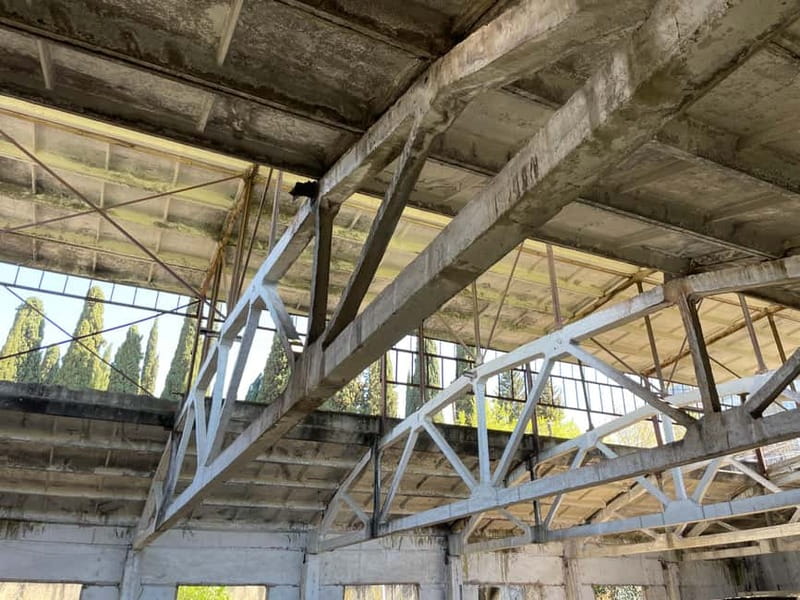
The tour also includes an abandoned electric depot that has been repurposed as a shelter for war refugees. This is one of the most emotionally serious parts of the route, because it shows what happens when infrastructure outlives its original purpose.
What makes this stop valuable is the contrast. A depot built for electrical power and operational logistics becomes a place where people rebuilt their lives. You get the sense that the city’s industrial remnants did not just decay. Some of them became practical support.
In multiple accounts, guides connected these stories to later refugee waves, including refugees from Abkhazia. You may hear how those histories now sit inside the broader rails and neighborhood story. That is the real payoff here. It is not just history. It is the city’s ongoing relationship with displacement, housing, and survival.
A consideration: since this is tied to refuge and living spaces, you should be prepared for a quieter, more respectful atmosphere. The goal is to understand, not to treat suffering as a spectacle.
The sealed-off railway repair station: the stop you book for
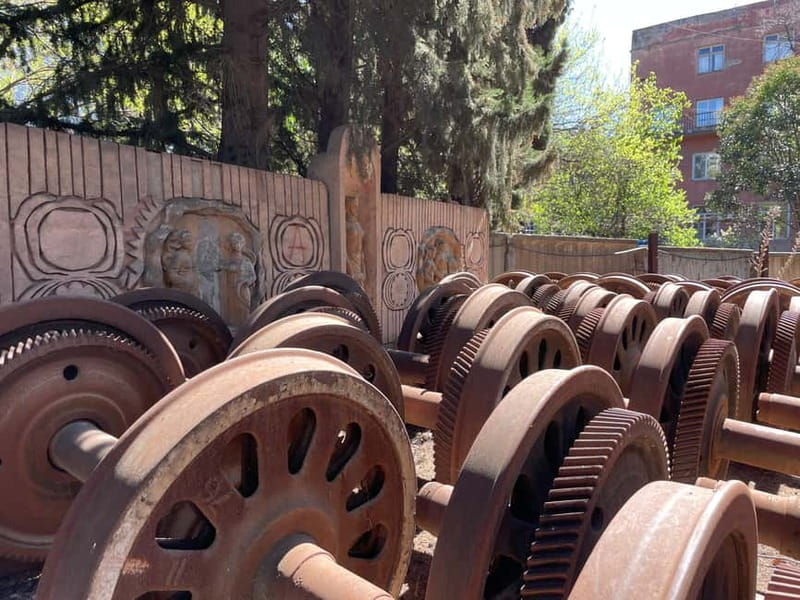
The headline moment for many people is the long-forgotten railway repair station sealed off from the outside world. This is the “you cannot do this alone” part. Without local guidance, access is not realistic.
You are not just seeing an old facility. You are seeing what maintenance infrastructure looks like when it is no longer at the center of operations. Repair stations tell you the truth about how rail systems run. They reveal the practical layer that most tourists never notice.
This stop also connects well with the tour’s theme of underground history. Even though it is a surface location, it feels like time travel into a working world that most people only imagine. And because the access is restricted, the guide can explain what you are looking at in context that you cannot get from street-level curiosity.
This is also where good guiding really matters. The spaces can feel isolated, and you will want someone who can handle the route smoothly and keep the group oriented. The reviews you have available for this tour are consistently positive about pacing and explanations, and that shows especially at the sealed-station stop.
Metro ride plus Soviet design context: why it all clicks
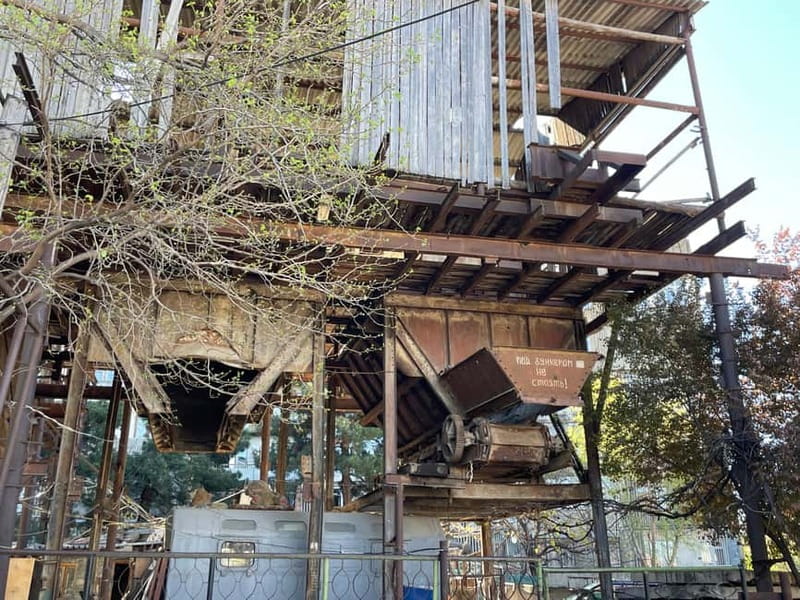
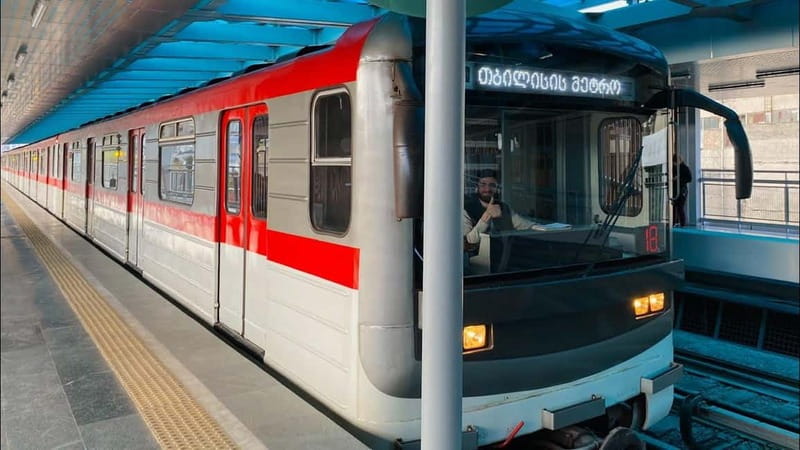
You also get a Metro ride. That inclusion is smart. It turns the story into something you can feel in your body, not just hear with your ears.
The guides frequently explain the Soviet-era Metro design, including how the system opened in 1966. Even if you already used the Metro on your own, the tour helps you see it as an engineered project tied to rail planning, city growth, and political decisions.
If you like structure and systems, this is where the tour rewards you. The route helps you connect “underground” not just as a physical location, but as a layer of urban planning that shapes daily life.
You might also hear wartime and Soviet-era side stories along the way. Some guides share details about industrial zones and historical sites connected to larger 20th-century events. One example mentioned in accounts is a reference to an ex-Nazi headquarters, but your exact stops can vary by route and group logistics. The safe takeaway is this: the guide keeps history tied to place, not generic facts.
A realistic sense of safety when the route gets rough
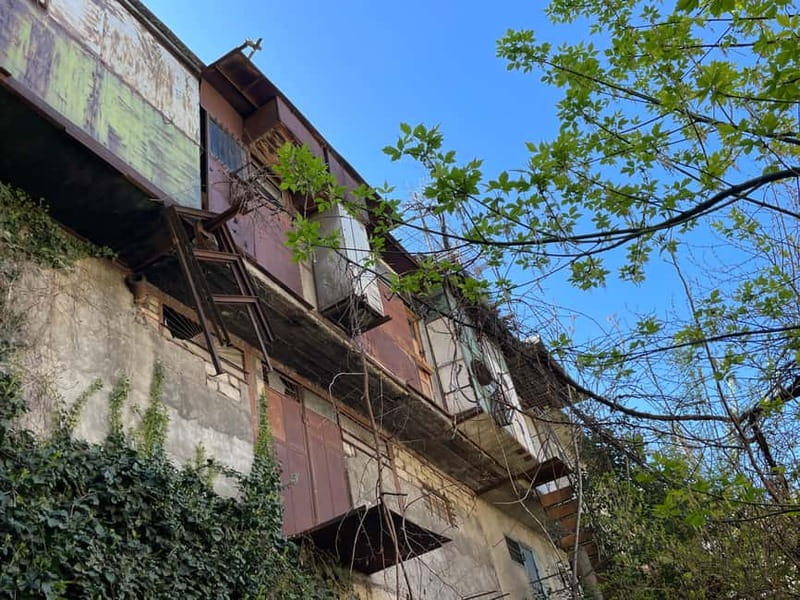
A tour like this is not built for “cookie-cutter tourist comfort.” Some parts can feel rougher or more industrial than central Tbilisi streets. What matters is how you are guided through it.
In the accounts from people who have taken the tour, the tone is consistent: guides know the areas and people, and that makes the walk feel controlled and safe. You are not wandering alone. You are moving as a group with someone who understands the local rhythm.
Still, be practical. Stay close to the group, keep your phone put away in crowded or uneven areas, and treat the route like you are learning a working city, not exploring a theme park.
Price and timing: is $28 for two hours good value
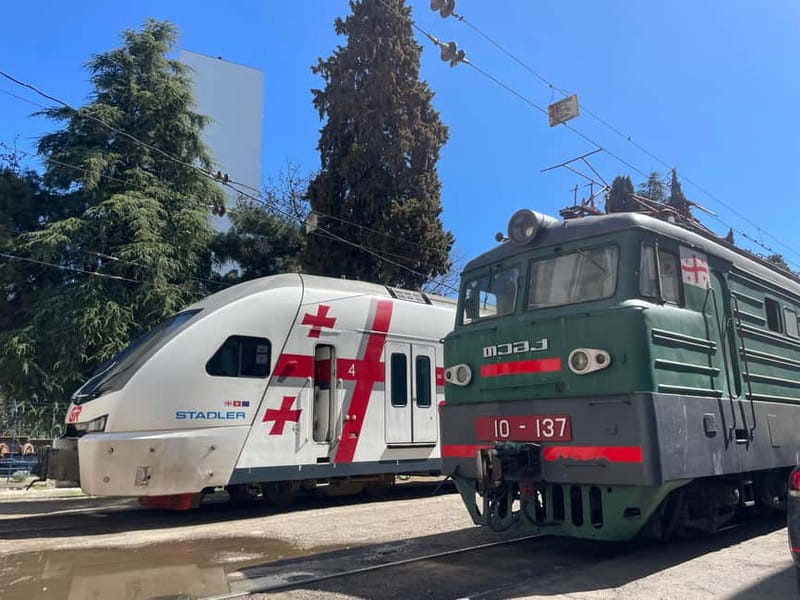
At $28 per person for 2 hours, this is not the cheapest way to spend time in Tbilisi. But it is good value because you are paying for three things that are hard to replicate alone:
- Restricted access to places that are sealed off
- The Metro ride plus system context
- Visits to industrial and repurposed sites that require local permission and guidance
If you tried to DIY this, you would likely get stuck at the same barriers the tour solves. You would see the city’s rail footprint only from the outside, missing the repair station access and the deeper context tied to how people lived and worked around these facilities.
Also, the two-hour length is tight enough that it stays energetic, but long enough to make the story stick. Most “industrial history walks” either feel rushed or drag. This one is built to keep you moving without turning every stop into a lecture.
Who should book this tour, and who might not enjoy it
You should book if you want more than the usual Tbilisi photo spots. This is ideal for people who like:
- rail history, metro design, or systems thinking
- industrial sites and working infrastructure history
- a city view that includes Soviet-era and later political realities
- strong storytelling from local guides who can answer questions
You might skip it if your goal is mostly scenery and calm cafes. This route includes mines, abandoned facilities, and spaces connected to war and displacement. It is meaningful, but it is not “relaxing sightseeing.”
Also note the practical fit. It is not suitable for wheelchair users. And because it is a walking-heavy format, it is best for people who can comfortably handle uneven urban edges.
Final call: should you book the Forgotten Rails Tour?
If you like Tbilisi for the way it actually works, this tour is a standout choice. The combination of rail and Metro context plus restricted-access industrial stops is the reason it is worth your time, and the guides bring enough story momentum to keep two hours feeling full.
Book it if you want a different side of the city, and you are comfortable with a route that prioritizes real infrastructure over postcard views. Skip it if you only want easy walking, light topics, or fully accessible spaces.
If you have time in Tbilisi, I’d treat this as a top priority. It helps you understand the city’s past and why the city looks the way it does today.
FAQ
How long is the Forgotten Rails Tour in Tbilisi?
The tour lasts 2 hours.
Where do we meet the guide?
You meet the guide in front of Rustaveli Metro Station.
What is the price for the tour?
The price is $28 per person.
What languages are the live guides?
The live tour guide offers English and Russian.
Is this tour suitable for wheelchair users?
No, it is not suitable for wheelchair users.
Is there free cancellation?
Yes. You can cancel up to 24 hours in advance for a full refund.
Recently reviewed around Tbilisi
- Tbilisi City Tour★ 4.5 · 3 reviews
- Tbilisi City, Jvari Monastery, Uplistsikhe caves, Mtskheta city Private Day Trip★ 4.5 · 3 reviews
- Tbilisi City Tour with Street Photography★ 5.0 · 3 reviews
- Private Trip to Tbilisi and Mtskheta – Cultural Capitals★ 5.0 · 3 reviews
- Wild Georgia 4WD PACK Adventure through Kakheti and Kazbegi 2in1★ 5.0 · 3 reviews
- Tbilisi Airport to Gudauri, Bakuriani, Batumi, Tbilisi★ 5.0 · 3 reviews
- Private Adorable City Tour of Tbilisi★ 5.0 · 3 reviews
- Private Wine Tour In Kakheti Region with 7 Wines and Lunch★ 5.0 · 3 reviews
Tours, compared.

Highlights of Caucasus Mountains-Jinvali,Ananuri,Gudauri,Kazbegi(Group tour)
Read our review →
Kakheti Wine Region Tour with 9 Wine Tastings
Read our review →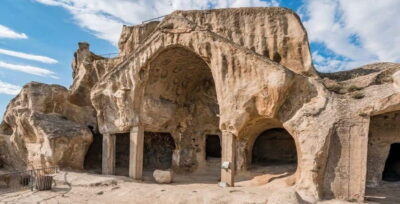
Mtskheta, Jvari, Gori and Uplistsikhe Day Tour
Read our review →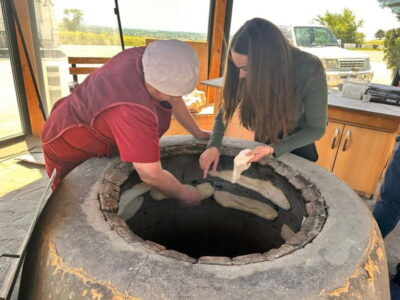
Kakheti Wine Region Tour with 10 Wine Tastings
Read our review →
Tbilisi Walking Tour Including Cable Car and Traditional Bakery
Read our review →