
Reviewed · WALKING TOURS
Tbilisi old town (Sololaki) 4 hours private walking tour
Tbilisi’s Old Town (Sololaki) is interesting because it’s not just famous sights. It’s how the city grew, layer by layer, from defensive walls and bridges to churches, markets, sulfur smells, and viewpoints you only earn by walking.
I like how this private format gives you time to ask questions and actually understand what you’re seeing. I also love the Narikala fortress panorama moment and the chance to connect it with landmark churches like Sioni and the Metekhi area instead of treating them like photo stops.
The main consideration is effort and rules. You’ll do a lot of uphill walking, including a 50-step climb to Narikala, and churches have a strict dress code (no shorts, women must cover their heads).
Key highlights you’ll feel on the walk
- Liberty Square start with real context: defensive wall to old town, so you understand how Tbilisi was built.
- Narikala fortress view payoff: one of the best panoramas over the city after walking back streets.
- Back-street viewpoint hunting: your guide leads you to angles that feel like you found them, not just followed signs.
- Church circuit with big names: Sioni Cathedral, Metekhi Bridge area, and Anchiskhati (with a chance to catch polyphonic chants).
- Sulfur baths district with canyon energy: Abanotubani atmosphere and the Leghvtakhevi canyon up to the waterfall.
- Old town texture, not just monuments: balconies, traditional houses, and quiet street details in between the big stops.
Where Sololaki fits in your Tbilisi day
If you want the fast track to understanding Tbilisi, this is the kind of tour that earns its keep. Instead of scattershot sightseeing, the walk has a logic: geography first, then religion, then daily life, then the sweeping view that ties it together.
Because it’s private, you’re not stuck pacing a crowd. You can move at a sensible speed, ask why something matters, and get help spotting what you’d otherwise miss in a maze of lanes and staircases.
It also works as a first-day orientation. Start here and the rest of your trip makes more sense. You’ll know where the city’s defensive heart sat, how the river and bridges shaped movement, and why the old districts feel the way they do.
More walking tours in Tbilisi:
- Tbilisi Walking Tour Including Cable Car and Traditional Bakery
★ 5.0 · 1,310 reviews - Tbilisi: City Highlights Guided Walking Tour
★ 4.9 · 1,114 reviews - Tbilisi:Evening Walking & Talking Tour with Wine & Boat Ride
★ 5.0 · 572 reviews
Liberty Square and the defensive-wall approach to Old Tbilisi
Most Tbilisi walks begin with a goal, like a cathedral. This one begins with the center of the city, the fountains of Liberty Square. That matters, because you’re not just arriving in the Old Town, you’re learning how to read the city’s layout.
After a short introduction, you head along the defensive wall line until you cross into the Old Town. This is one of those small but powerful teaching moments. Suddenly the old streets aren’t random. They look planned, shaped by protection, movement, and the terrain.
You also get a street-level education on how neighborhoods connect. I love tours where you don’t just get landmarks, you get the map in your head. By the time you reach the next districts, you’ll feel like you’re walking through a story, not ticking boxes.
Shavteli Street, Gabriadze Theatre clock tower, and Anchiskhati acoustics
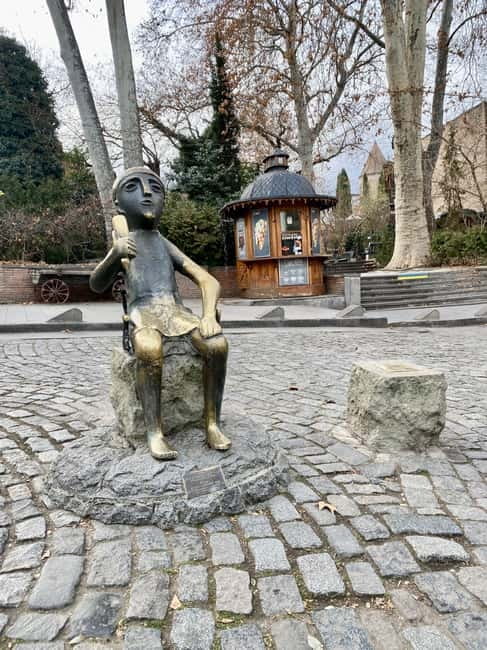
On Shavteli Street, the Gabriadze Theatre clock tower is the kind of landmark you can spot from far away, and it’s photogenic for a reason. It sets a tone for the walk: Tbilisi mixes the dramatic with the everyday.
Right after that, you pass into the sound world of the Basilica of Anchiskhati. The tour is designed to give you the chance to hear its polyphonic tradition. Even when timing isn’t perfect, your guide will orient you so you understand what makes the sound and space special.
This part is also a good reminder that religious sites in Georgia aren’t just buildings. They’re part of living culture. Standing near Anchiskhati, you’ll feel how faith and community show up in the city’s daily rhythm.
Abanotubani, Peace Bridge, and the Sioni Cathedral stop you’ll remember
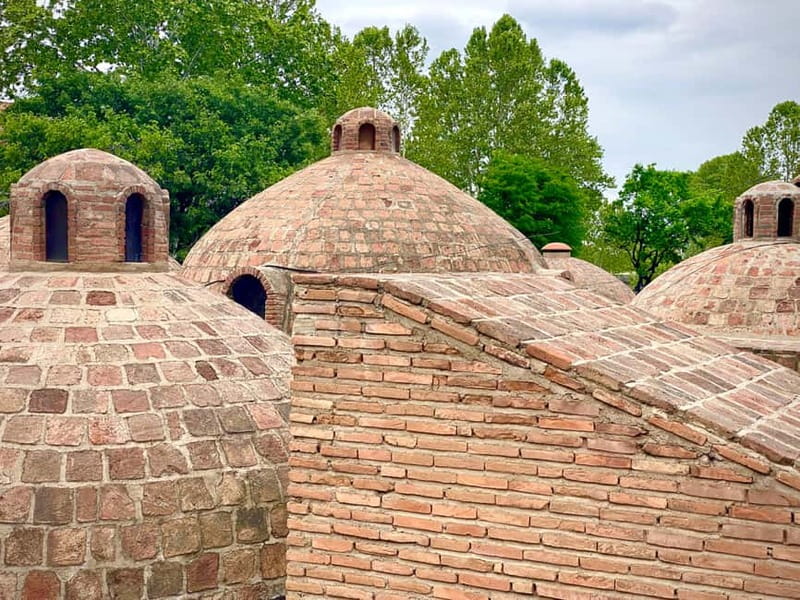
Next comes Abanotubani, the famous sulfur baths district. Even before you get close, you’ll start catching that unmistakable scent. It’s not just atmosphere. It’s a clue to how the city uses its natural resources and how centuries of daily habits shaped the neighborhood.
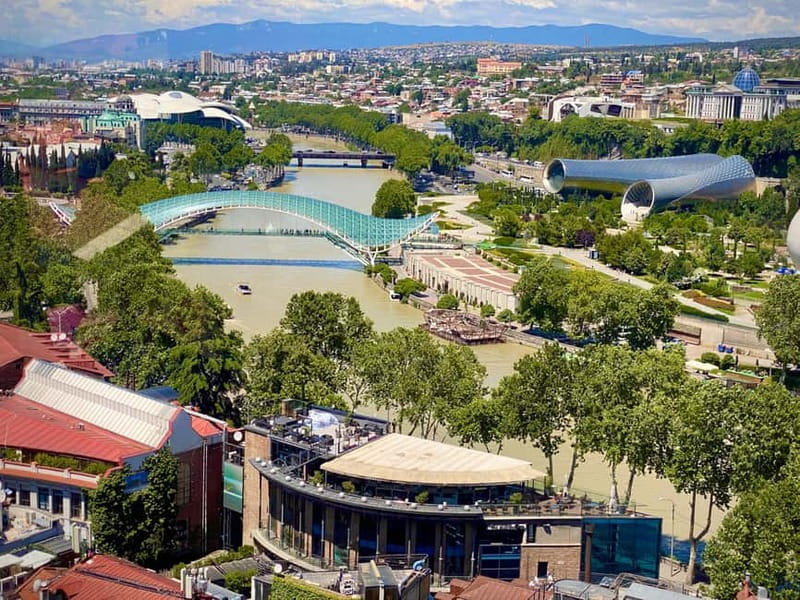
As you move through the area, you’ll also get a glimpse of the Peace Bridge, which helps you connect old and newer Tbilisi visually. That contrast keeps the city from feeling frozen in time.
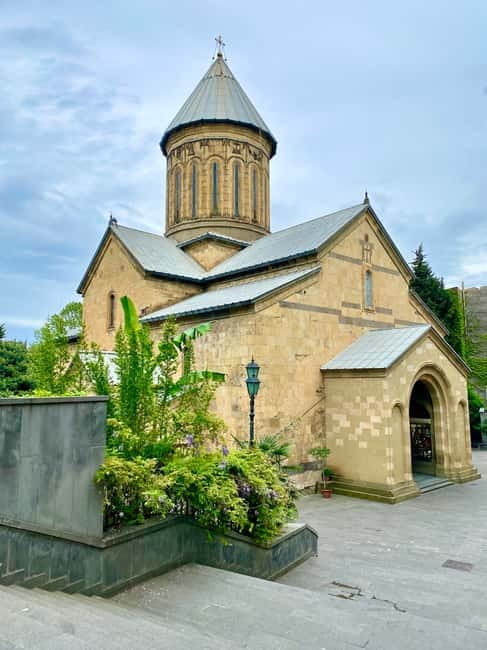
Then you reach Sioni Cathedral, a former seat of the Georgian Patriarchate. This stop gives weight to everything you’ve walked past. Earlier buildings and streets start to feel like they belong to something bigger than tourism.
If you care about meaning, not just photos, Sioni is one of the anchors. It helps you understand why Tbilisi’s church landscape is so central to Georgian identity.
A few more Tbilisi days worth putting side by side
- Tbilisi: Day Trip to Kazbegi, Gudauri, Gergeti, and Ananuri
★ 4.9 · 3,203 reviews - Day Trip to Kakheti Wine Region Including 9 Wine Tastings
★ 5.0 · 2,774 reviews - Highlights of Caucasus Mountains-Jinvali,Ananuri,Gudauri,Kazbegi(Group tour)
★ 5.0 · 2,682 reviews - From Tbilisi: Kakheti Wine Region Tour with 9 Wine Tastings
★ 4.9 · 2,541 reviews
Metekhi Bridge, Queen’s Palace views, and the Meidan bazaar food talk
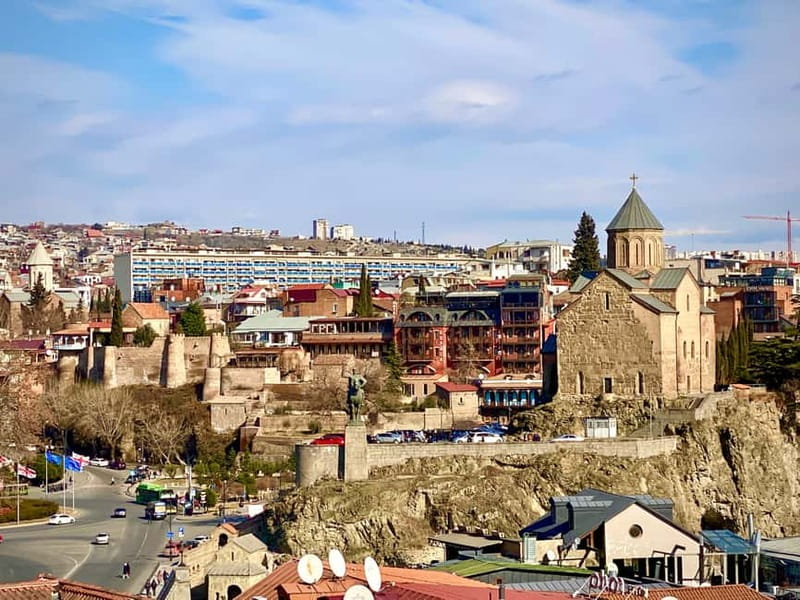
A brief pause at the Metekhi Bridge area near Vakhtang Gorgasali Square gives you a clean shot of the district and the Queen’s Palace perspective. This is one of those “good framing” moments. Your guide positions you so your photos look like they have context, not just subjects.
Then you cross the Meidan bazaar and the tour shifts into everyday life. Your guide talks about Georgian gastronomy, viticulture, and typical flavors as you walk through the market area. This is valuable because food and wine are not separate from history in Georgia. They’re part of the same story of land, climate, and tradition.
Even if you don’t stop for snacks, the discussion changes how you see the place. Markets aren’t just for shopping. They’re information hubs, where culture shows up in ingredients and habits.
Leghvtakhevi canyon, sulfur-bath energy, and the waterfall approach
From the bazaar atmosphere, you head toward the dramatic side of the old town: the Leghvtakhevi canyon. This section is where the tour turns more physical and more atmospheric.
Your guide leads you down into the canyon and up toward the waterfall area. Along the way, you’ll be moving through alleys near the mosque area, so the route feels lived-in rather than staged. This is also where the “private guide advantage” shows. You’re not just following obvious sights. You’re being guided through the logic of footpaths, slopes, and viewpoints.
The payoff here is the setting. You’re not only seeing Tbilisi from above later. You’re also seeing how nature cuts into the city and gives it that character people talk about.
The Narikala fortress climb and why the view feels earned
Now for the moment you came for: Narikala fortress. You’ll make your way through narrow alleyways around the mosque area, and then you climb 50 steps to reach the top. There’s no elevator, so this is a real stair moment, not a casual stroll.
What I love about this part is the built-in payoff. The climb makes the later panorama feel deserved. When you finally look out, the city spreads under you with the river, bridges, rooftops, and church silhouettes all layered together.
And here’s where the guide’s skill really matters. Your guide helps you aim your eyes. You’re not just looking at a view, you’re learning what you’re seeing: where the old defensive structure influenced movement, how the districts stack, and why certain landmarks align the way they do.
If you take photos, start thinking about angles before you reach the top. The best pictures come from positioning, not just clicking.
Kartlis deda, colorful balconies, and the final old-street descent
After the fortress, you head back down under the watchful eye of Kartlis deda, often described as the Mother of Georgia. This is a fitting transition because it slows the pace. You’re moving from the big panoramic moment into human-scale streets.
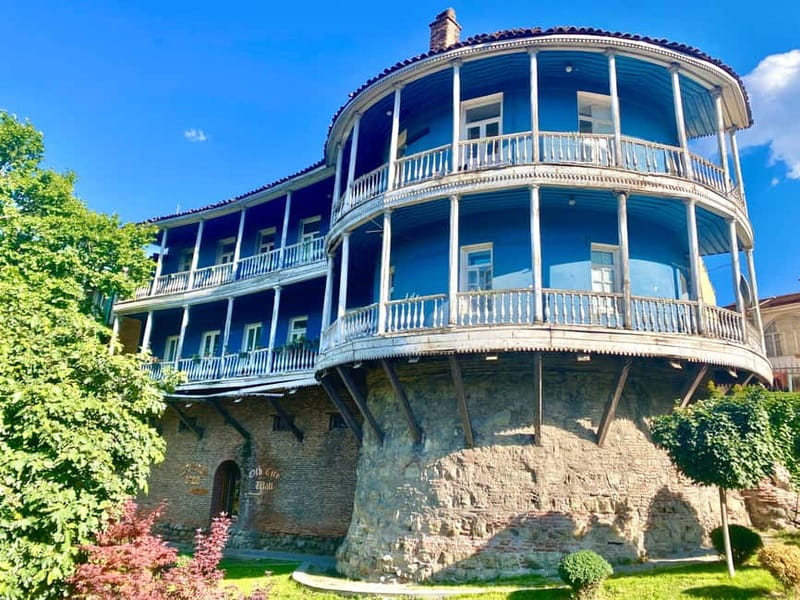
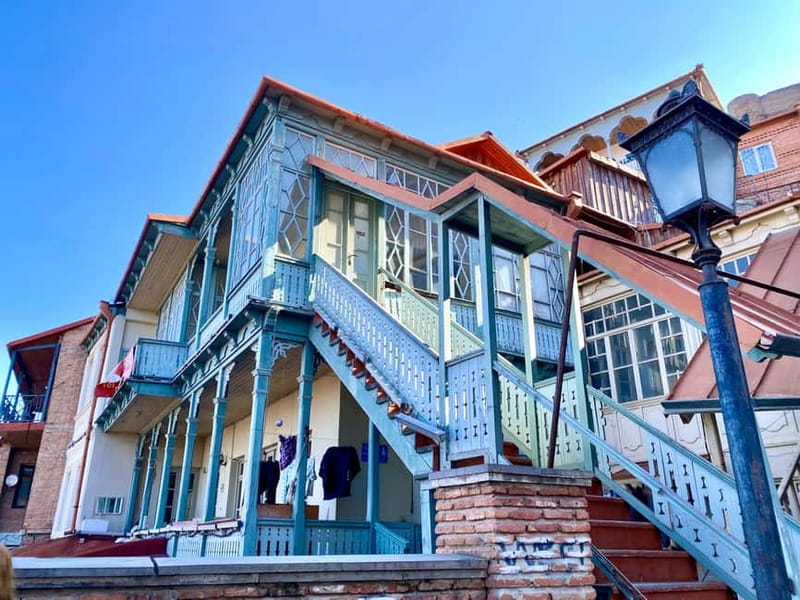
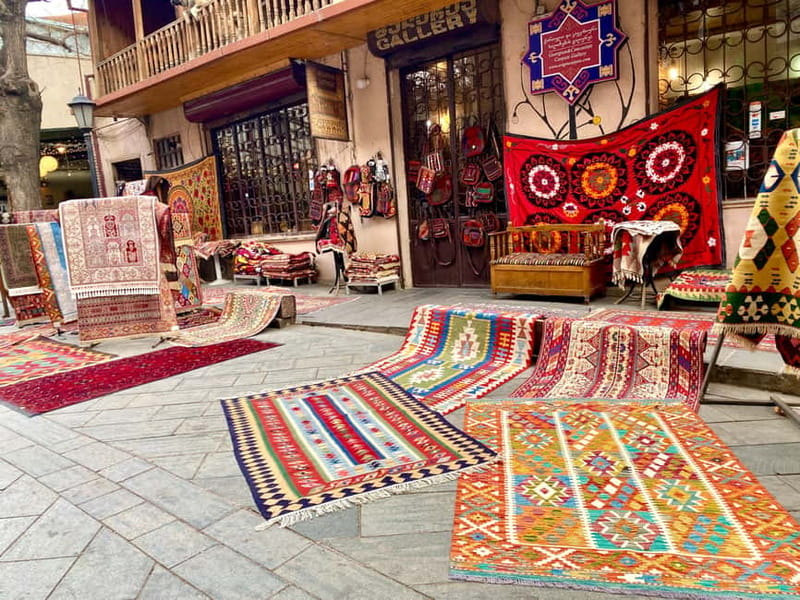
Then come the older neighborhood details: narrow lanes, traditional Georgian houses, and those colorful balconies you’ll recognize from Tbilisi postcards and beyond. This part is also where the tour can be surprisingly intimate.
In practice, a great guide will show you small, older-feeling corners in and around the streets, like interior courtyards or stairwell entrances where you can see how buildings connect beyond the street facade. It’s the kind of texture that makes your photos look like you lived there for a day.
The walk ends around Gudiashvili Square with a look at the old mansions associated with the Russian Empire era. It gives the last chapter of the day, tying the older religious and defensive layers to later architectural influences.
Price and value: what $57 per person gets you
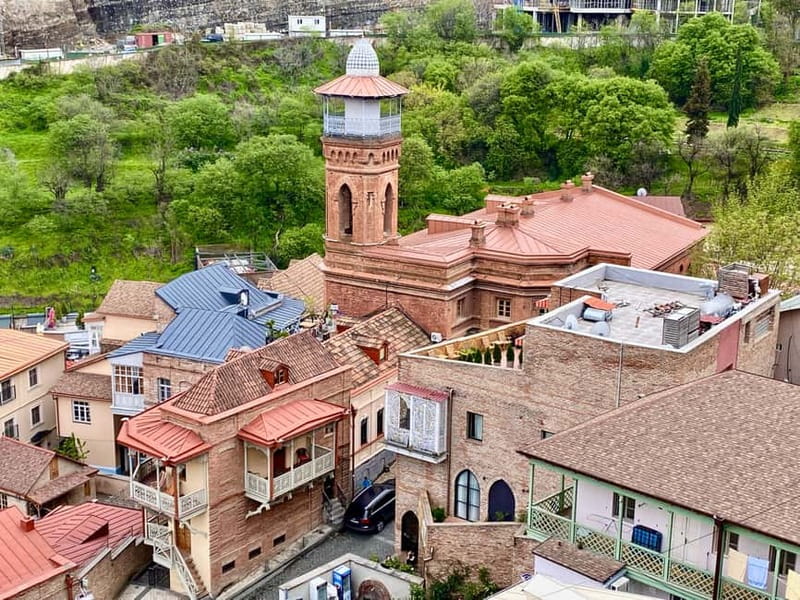
At $57 per person for a private guided walk lasting 4 to 8 hours, the value depends on what you want from your time. If your goal is to get a stack of major sights without thinking, you can do plenty on your own.
But if you want your day to make sense, this price is easier to justify. You’re paying for a guide who connects Liberty Square to the defensive-wall story, brings you to church sites with cultural context, and leads you to the Narikala climb with the right timing and route decisions. That’s also why the private format matters. It turns the walking from a chore into a guided narrative.
Included items are simple: a personal guide and a bottle of water. Food is not included, so plan for snacks if you get hungry on a long route. Still, the tour covers a lot of ground and multiple districts in a way that’s hard to replicate with a self-guided map.
One more value point: the tour’s structure helps you avoid common tourist mistakes. When you understand how the city is built and why certain places sit where they do, you stop wasting time backtracking.
Timing, pace, and language options that matter in real life
This tour is private, so the pacing is flexible within the time window. You can spend an extra minute on photos if the view is calling you, or you can shorten stops if you want to get moving.
The guide speaks French, English, and Russian, which is helpful for comprehension in churches and in market discussions. Even when your language skills are good, having a guide explain the meaning of what you’re seeing makes a big difference.
If you like tours where your guide adjusts to your interests, this one has that potential. The experience is designed to adapt to different timelines and priorities, which is exactly what you want on a day when your energy might not match your ambition.
What to pack and how to deal with church rules
Bring comfortable shoes. You’re climbing and walking through uneven old-street areas, and you’ll be on your feet for hours. Wear weather-appropriate clothing because the route is outdoors for much of the time.
Pack water, even though the tour includes a bottle. You may want more if it’s warm or if you’re the type who drinks often.
Now the big rule: church dress code. Shorts aren’t allowed, and women must cover their heads. If you forget, you might not be able to participate as fully as you want, and that’s avoidable with a small plan.
If you’re sensitive to stairs, remember the 50 steps up to Narikala and the lack of an elevator.
Who should book this Sololaki tour, and who should skip it
This tour is ideal if you want a guided introduction to Tbilisi’s major districts and you’re comfortable walking uphill. It’s also a strong fit for people who enjoy history and culture but don’t want a lecture. You’ll get context as you walk, and you’ll get the views that make the walking worth it.
It may be a bad match for:
- Wheelchair users, because there are stairs and no elevator to Narikala.
- Pregnant women, due to the stair climbing and the physical demands.
- Children under 5, because the walking and steps can be too much.
If you fall into one of those categories, you’ll likely enjoy Tbilisi more with a gentler plan that doesn’t hinge on the Narikala climb.
Should you book it?
Book this tour if you want your first Tbilisi day to feel organized and meaningful. The combination of churches like Sioni and Anchiskhati, the sulfur-bath atmosphere, the Leghvtakhevi canyon waterfall approach, and the Narikala fortress view makes this more than sightseeing. It’s a guided way to understand the city’s layers quickly.
Skip it or rethink your plan if you hate stairs or you need wheelchair-friendly routes. Also, if you’re not willing to follow church dress code rules, your experience will be limited.
If those points work for you, a private guide like the one described in the experience can make the day feel smoother and smarter, especially with route tips, timing help, and the kind of detail that turns old streets into a story you can actually picture later.
FAQ
How long is the private walking tour?
The duration is listed as 4 to 8 hours, depending on the option and starting time.
What is the price per person?
The price is $57 per person.
Where does the tour start?
The meeting point starts at the fountains of Liberty Square, though the exact meeting point may vary depending on the option booked.
Is this tour private?
Yes, it’s a private group tour.
What languages are available for the live guide?
The live guide offers French, English, and Russian.
What’s included in the price?
Included items are your personal live guide and a bottle of water.
Are food and drinks included?
No. Food and drinks are not included.
What should I wear and bring for the churches?
Bring comfortable shoes and weather-appropriate clothing. Churches have a strict dress code, with no shorts allowed, and women must cover their heads.
How many steps do I need to climb for Narikala fortress?
You climb 50 steps to reach Narikala fortress, and there is no elevator.
Is the tour suitable for wheelchair users or young children?
No. It is not suitable for wheelchair users, and it is not suitable for children under 5 years old. It also notes it is not suitable for pregnant women.
Recently reviewed around Tbilisi
- Tbilisi City Tour★ 4.5 · 3 reviews
- Tbilisi City, Jvari Monastery, Uplistsikhe caves, Mtskheta city Private Day Trip★ 4.5 · 3 reviews
- Tbilisi City Tour with Street Photography★ 5.0 · 3 reviews
- Wild Georgia 4WD PACK Adventure through Kakheti and Kazbegi 2in1★ 5.0 · 3 reviews
- Private Trip to Tbilisi and Mtskheta – Cultural Capitals★ 5.0 · 3 reviews
- Tbilisi Airport to Gudauri, Bakuriani, Batumi, Tbilisi★ 5.0 · 3 reviews
- Private Adorable City Tour of Tbilisi★ 5.0 · 3 reviews
- Private Wine Tour In Kakheti Region with 7 Wines and Lunch★ 5.0 · 3 reviews
Walking Tours, compared.
Tbilisi Walking Tour Including Cable Car and Traditional Bakery
Read our review →
Evening Walking & Talking Tour with Wine & Boat Ride
Read our review →
Evening Walking Tour with Wine & Boat Ride Options
Read our review →
Old Tbilisi Highlights walking tour with wine & 10 tastings
Read our review →
Old Tbilisi Tour: Private Walking Tour With Wine Tasting
Read our review →

Private Tbilisi Food Tour: 9 Tastings Walk in Bohemian District
Read our review →Browse the lists this tour appears in