
Reviewed · HISTORICAL TOURS IN TBILISI
Tbilisi: Guided Walking Tour of Historic City
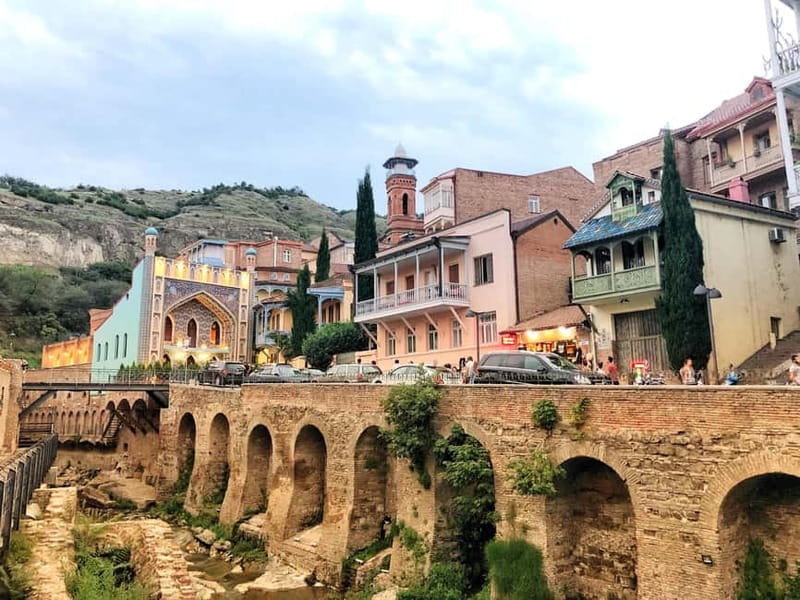
Old Tbilisi is interesting because it reads like a map of Georgia’s story, from faith and trade to modern design. I like this walk for its clear route and the way it stitches together big landmarks with small side details. Two stops that really sell it are Five Religions Connecting Square and the Abanotubani sulfur-bath district.
I also like the human touch. Guides such as Sally and Nick are the kind who answer questions on the spot and keep a relaxed pace, so you do not feel herded. One consideration: the walk has uneven ground and some stairs, so even if it is described as wheelchair accessible, it may still be tough for anyone with limited mobility.
If you want a fast, friendly way to get your bearings, this is built for that. Starting at 20 Shota Rustaveli Ave, you finish days of sightseeing later without having to plan a route first.
Quick hits before you go
- Five Religions Connecting Square shows how different faiths sit side by side in one small zone
- Devil Street legends and the Silk Road-era market area give context to the city’s turning points
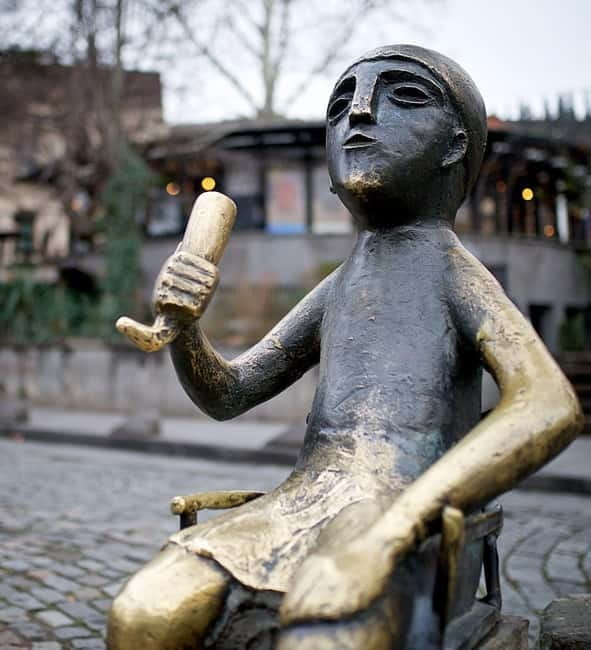
- Tamada (Toastmaster) sculpture is a fun, concrete reminder of Georgia’s food-and-friends culture
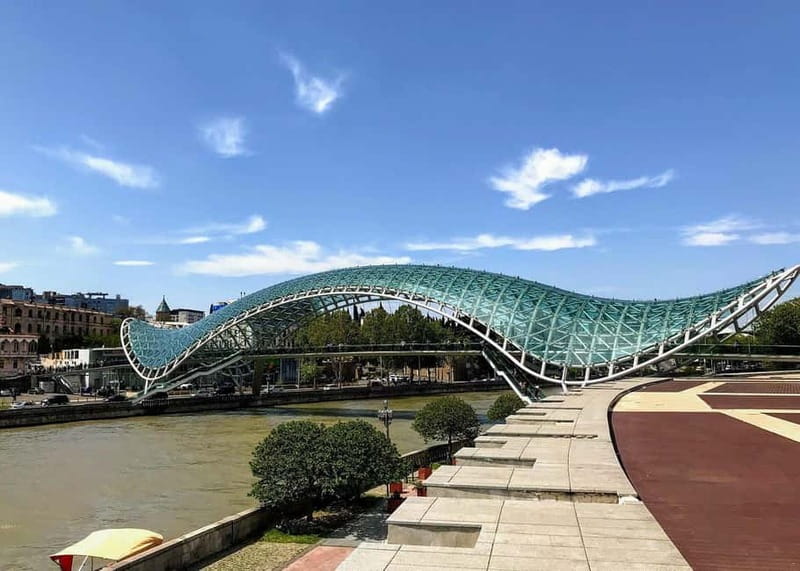
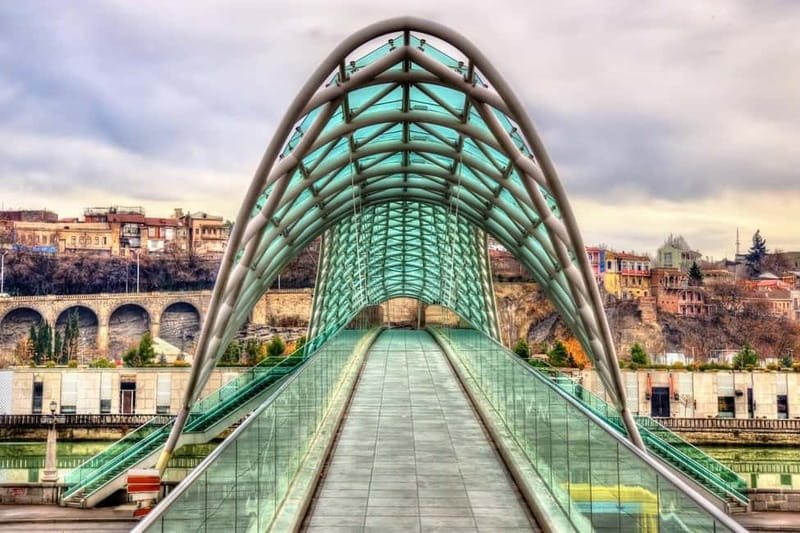
- Bridge of Peace to Rike Park lets you compare modern Tbilisi with old-town street life
- Abanotubani is the sulfur-bath neighborhood where the atmosphere changes fast
How this Old Tbilisi walk gets you oriented fast

This is a 3-hour guided walking tour in Tbilisi’s historic core, priced at $14 per person. At this price, you are not paying for a long bus ride. You are paying for a guide who can explain what you are seeing, plus a route that does the hard part for you: choosing the order.
The walk is a small group, capped at 10 people. That matters. Fewer people means more time for questions, more chances to pause for photos, and less “look fast, move on” energy. Most days, you can keep a comfortable pace because the tour includes frequent stops for short talks, not a nonstop marching line.
You start at Magti Office on Shota Rustaveli Ave and end on Samghebro St. The tour runs rain or shine, so dress for weather and bring water. Comfortable shoes are key because you will hit uneven surfaces and stairs at points.
More Historical Tours in Tbilisi
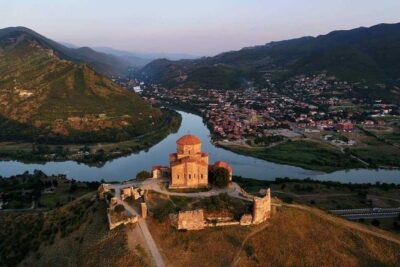
- Mtskheta, Jvari, gori, uflistsikhe, history and panorama (group tours)
★ 4.5 · 107 reviews - Tbilisi old town & soviet heritage – Private driver-guided Tour
★ 5.0 · 83 reviews - From Tbilisi: Kakheti Wine, History & Traditions Day Trip
★ 4.8 · 22 reviews
Five Religions Connecting Square, and why it matters in real life
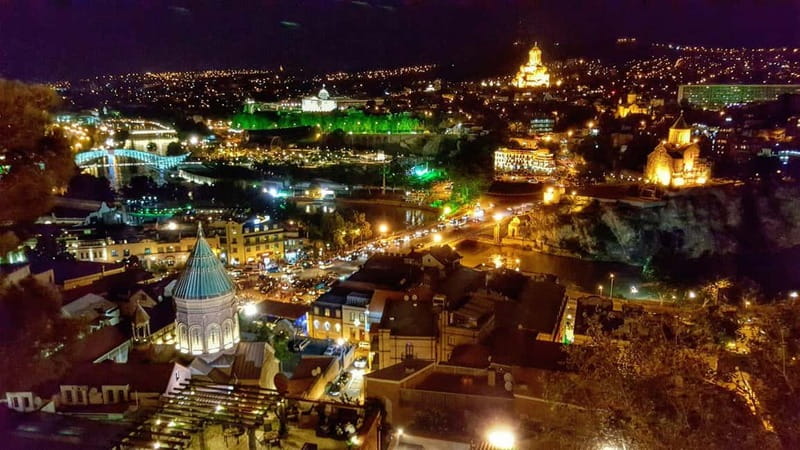
The tour begins at Five Religions Connecting Square, one of the rare city scenes where churches, a mosque, and a synagogue sit close to each other. It is not just an “interesting photo spot.” It helps you understand why Tbilisi feels layered, even when you are standing still.
From here, you get the first big lesson of the day: the city has never been one-note. Georgia’s story in Tbilisi is religious, cultural, and political all at once. Standing at this square gives you a baseline before you wander down older streets later.
What I like is how this stop sets expectations for the rest of the walk. After you see the coexistence here, you notice patterns elsewhere, like how different architectural styles and symbols share the same sidewalks.
Meidan Bazar area to the Ancient Bazaar remnants
Next, you move toward the Ancient Bazaar area, including the Meidan Bazar photo and guided visit. The point is not to treat it like a museum. It is to understand Tbilisi as a trading crossroads, linked to Silk Road-era movement of goods and people.
Even if much of the old trading structure is gone, the streets still carry that logic. You feel it in the way blocks connect and how markets historically shaped foot traffic. A good guide makes those connections obvious, like pointing out how trade routes influence where people gathered and built.
If you are the type who likes context, you will appreciate this part. It turns random stone walls and street corners into something you can explain back to friends later.
Devil Street and the Tomada sculpture moment

Then comes the part that makes the walk fun: Devil Street. You do not need to believe every legend to enjoy the stories. The value is how legends point to local attitudes, fears, and humor.
Right after that, you get to the Tamada Sculpture, also connected to the statue of the Toastmaster theme. This is one of those stops that could be easy to skip if it were only a photo. Instead, it works as a cultural anchor. Hospitality and toasts are not an abstract slogan in Georgia. You see the mindset built into public art.
I like the rhythm here. You go from a street with a spooky nickname to a symbol of friendly social ritual. That contrast is very Tbilisi.
More walking tours in Tbilisi:
- Tbilisi Walking Tour Including Cable Car and Traditional Bakery
★ 5.0 · 1,310 reviews - Tbilisi: City Highlights Guided Walking Tour
★ 4.9 · 1,114 reviews - Tbilisi:Evening Walking & Talking Tour with Wine & Boat Ride
★ 5.0 · 572 reviews - Tbilisi: Evening Walking Tour with Wine & Boat Ride Options
★ 5.0 · 407 reviews
Bridge of Peace to Rike Park, the modern Tbilisi contrast
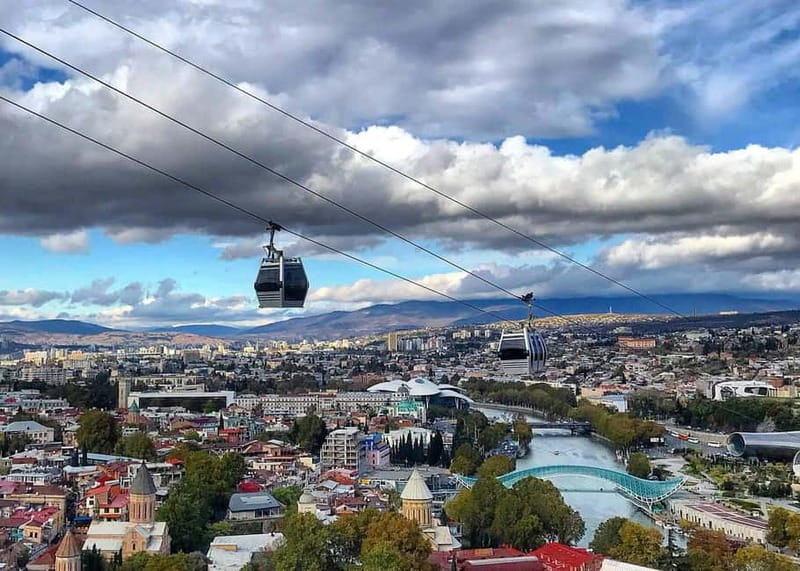
Old Tbilisi can feel like it is all about the past. This tour changes that by walking toward the Bridge of Peace and beyond to Rike Park and Europe Square.
These stops matter because Tbilisi did not stop evolving after the medieval era. The bridges and riverfront spaces show modern planning, new silhouettes, and different ways of enjoying the riverwalk. When you compare what you saw earlier with these views, the city stops feeling like a single timeline and starts feeling like an ongoing conversation.
You also get photo-friendly vantage points at this stage. The walk becomes less “tight alley history” and more “look around” sightseeing. That break helps you keep energy for the older core pieces still ahead.
Europe Square and the Berlin Wall Stone, a small monument with big meaning
A standout moment on this tour is the Berlin Wall Stone stop. It is small, but the symbolism is the point: freedom and the memory of political division.
I like including it because it prevents the tour from being only about Georgia’s own past. It connects Tbilisi’s story to wider European themes you can carry into other visits. Even if you have seen modern monuments elsewhere, you will likely find the scale here makes the message feel closer and more personal.
If you enjoy history that is not only local, this is a good placement in the route. It gives your brain a reset between church viewpoints and the sulfur-bath district.
Metekhi Church viewpoint, plus King Vakhtang Gorgasali
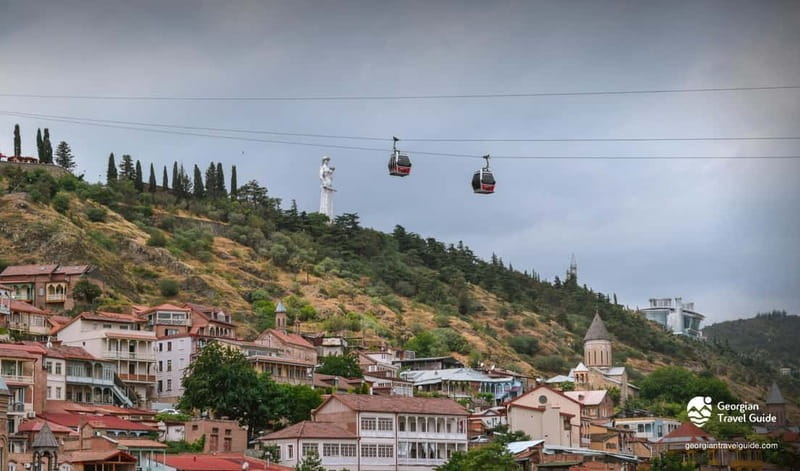
Then you reach Metekhi Church and the King Vakhtang Gorgasali statue. This is one of the most iconic sightlines on the route because Metekhi sits high above the Mtkvari River, and you get a layered view of city and water at once.
Metekhi is among the older churches in Tbilisi, and the guide typically explains why that matters in a city where different eras overlap. The statue of King Vakhtang Gorgasali, legendary founder of the city, turns the viewpoint into a story you can picture: where the city came from, and how people decided it should grow.
Practical tip: this is often where you slow down for photos. If you want good shots, keep your camera ready and give yourself a few extra seconds before the group moves on.
Abanotubani sulfur baths, domed roofs, and a different kind of atmosphere
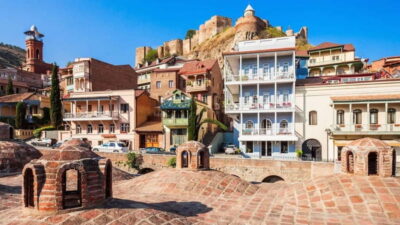
After Metekhi, the tour flows into Abanotubani, the historic sulfur bath area. This is one of the most atmospheric parts of Old Tbilisi. You immediately notice the domed brick roofs and the sense that the neighborhood has a rhythm of its own.
The guide explains the significance of the sulfur baths and the cultural role they play. Even if you do not plan to book a soak during the tour, the value is in understanding why this district exists and why it still draws people.
One thing to plan for: Abanotubani areas can be lively and sometimes slippery depending on weather. Keep an eye on your footing, especially if it has been raining. If you do want to try a bath session, you can do that on your own time after the walk.
Samghebro St finish and the Armenian Church quiet stop
The last stretch leans into quieter streets, ending on Samghebro St with a visit to the historic Armenian Church. This part feels less like a checklist and more like a real neighborhood. The narrow lanes and calmer vibe let you reflect on everything you just learned.
The tour uses this ending well. You see coexistence at the start at Five Religions Square, and then you get a calmer, respectful view of another community’s place in the city. It ties the day together without repeating the same lesson twice.
If you like ending a tour somewhere walkable where you can keep exploring, you will probably like this finish point. You are not locked into one final “big bus stop” view. You are set up to keep wandering.
Who the tour suits best, and what you get beyond photos
This is a strong fit for:
- History and culture lovers who want story context, not just names
- People with only one day in Tbilisi who want the most important sights linked in one route
- Anyone who enjoys a relaxed pace and asking questions without feeling rushed
From what I see in how guides run it, the best moments are not just the stops. It is how the guide connects them. You get insider recommendations for local food and wine, plus tips on what to do next in Tbilisi.
I also like that the guide style tends to be interactive. People consistently highlight the ability to ask questions, and at least some guides have helped with small extras like a quick wine tasting when timing works. The tour also mentions optional wine tasting or lunch arrangements if you contact them in advance, so it can be upgraded if you want.
And yes, you get real practical advice. One recurring theme is guidance about common tourist scams and how to handle situations with confidence.
Price and value: why $14 can beat a DIY day
$14 for a 3-hour guided walk in a central area is not just cheap. It is usually efficient. The alternative is planning a self-guided route and spending time figuring out what you are looking at.
This tour also packages several “anchor” landmarks that can be far apart if you do them out of order: Five Religions Square, Metekhi, the bridges, and Abanotubani. Paying for a guide is like buying time and clarity.
You also get the small-group benefit. When you have room for questions, you learn more per hour. That is where the value really shows up.
Practical tips so your feet, photos, and questions all go well
Here is how to make this tour easier on yourself:
- Wear comfortable shoes. Uneven surfaces and some stairs are part of the route.
- Bring water. You will be outside for about 3 hours.
- Arrive about 10 minutes early at Magti Office so the group starts promptly.
- Expect rain or shine. Dress for the weather and bring a light layer if needed.
- If you have mobility limits, check in ahead of time. The tour is listed as wheelchair accessible, but some paths include stairs and uneven ground, so plan carefully.
If you want the most out of the photo stops, keep your camera accessible early. The best shots often happen right when the guide finishes a key story point, and you will want to be ready.
Should you book this Old Tbilisi walking tour?
If you want a fast, story-driven introduction to Tbilisi, I think you should. This is especially worthwhile if you like culture and you want your first day to feel organized without turning into a rigid schedule.
Book it if:
- You only have a short time in the city and want maximum value per hour
- You enjoy guides who answer questions and share practical local tips
- You want both old-town faith and street-level culture, plus modern contrasts like the Bridge of Peace area
Skip it or think twice if:
- You know you struggle with stairs or uneven pavement. Even with wheelchair access noted, parts of the route can be hard.
- You dislike walking and prefer a ride-based sightseeing plan. This is built around being on foot.
If you fall into the “first time in Tbilisi” category, this walk is a smart starting move. It helps you understand what you will see later, and it gives you good next steps for food, wine, and side streets right after the tour ends.
FAQ
How long is the Tbilisi guided walking tour?
The tour lasts 3 hours.
How much does it cost?
It costs $14 per person.
Where is the meeting point?
You meet in front of the Magti Office.
What languages are offered?
The live guide offers English and Russian.
Is the tour wheelchair accessible?
It is listed as wheelchair accessible, but some paths include stairs and uneven surfaces, so limited mobility can still be a factor.
What should I bring?
Bring water, and wear comfortable shoes for walking.
Does the tour run in bad weather?
The tour runs rain or shine.
How large is the group?
The group is small, limited to 10 participants.
Can I cancel for a refund?
Yes. You can cancel up to 24 hours in advance for a full refund.
Can I add wine tasting or lunch?
Optional wine tasting or lunch can be arranged if you contact them in advance.
More History Tours in Tbilisi
- Historical walking tour of Tbilisi
★ 5.0 · 16 reviews - Kazbegi-Ananuri-Gudauri: Epic Views & History (Group)
★ 5.0 · 15 reviews - Tbilisi: Wine Tasting at Old, Historical Cellar in the City
★ 4.6 · 14 reviews - A day tour to Kakheti region/wine/culture/history and gastro tour
★ 5.0 · 11 reviews
Recently reviewed around Tbilisi
- Tbilisi City Tour★ 4.5 · 3 reviews
- Tbilisi City, Jvari Monastery, Uplistsikhe caves, Mtskheta city Private Day Trip★ 4.5 · 3 reviews
- Tbilisi City Tour with Street Photography★ 5.0 · 3 reviews
- Private Trip to Tbilisi and Mtskheta – Cultural Capitals★ 5.0 · 3 reviews
- Wild Georgia 4WD PACK Adventure through Kakheti and Kazbegi 2in1★ 5.0 · 3 reviews
- Tbilisi Airport to Gudauri, Bakuriani, Batumi, Tbilisi★ 5.0 · 3 reviews
- Private Adorable City Tour of Tbilisi★ 5.0 · 3 reviews
- Private Wine Tour In Kakheti Region with 7 Wines and Lunch★ 5.0 · 3 reviews
Historical Tours in Tbilisi, compared.
Mtskheta, Jvari, gori, uflistsikhe, history and panorama (group tours)
Read our review →
Tbilisi old town & soviet heritage – Private driver-guided Tour
Read our review →


A day tour to Kakheti region/wine/culture/history and gastro tour
Read our review →
Four Historical Places: Mtskheta-Gori-Uplistsikhe-Jvari Monastery- Private Tour
Read our review →Browse the lists this tour appears in