
Reviewed · MTSKHETA ANCIENT CAPITAL
Sacred Sites and Ancient Wonders: Jvari, Mtskheta and Uplistsikhe
A day tour like this is interesting because you move through Georgia’s story in layers, spiritual sites first, then royal memory, then Soviet-era history, and finally the old trade-route world carved into rock. I love the viewpoint from Jvari Monastery, looking over where the Aragvi and Mtkvari rivers meet. I also love the Svetitskhoveli Cathedral in Mtskheta, a UNESCO World Heritage site tied to the legend of Christ’s robe. The one drawback to keep in mind is that two big stops, the Stalin Museum and Uplistsikhe, have separate entry fees, and parts of the walking involve uneven ground and stairs.
What makes this route feel smooth is the practical setup: hotel pickup and drop-off, fuel and a driver-guide included, and a private vehicle for just your group. In the best cases, your guide brings the history to life with real storytelling. One guide named Irakli was praised for clear communication and lots of stories, and another, Davit, was noted for showing extra sights even when the main goal was Gori.
This is also a packed day. It runs about 7 hours starting at 10:00 am, so it works best when you’re happy to see a lot and keep moving.
Key Things You’ll Notice on This Route
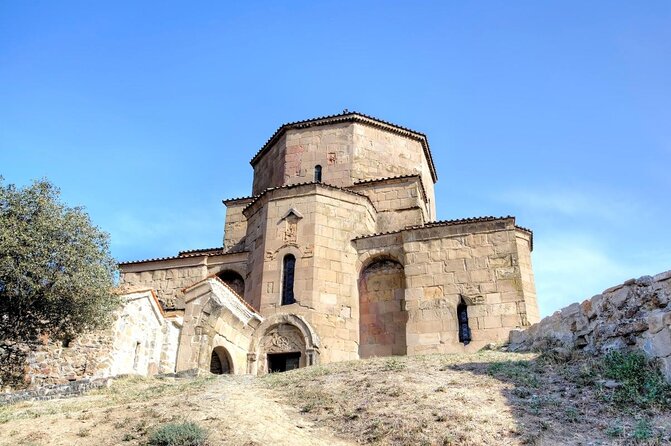
- Jvari’s hilltop timing: a quick stop with big views over the river confluence.
- Svetitskhoveli in UNESCO spotlight: a major Early Middle Ages church with an iconic robe legend.
- Mtskheta as a former capital: you see why this town mattered before power shifted to Tbilisi.
- Gori beyond textbooks: a museum focused on Stalin’s birth and childhood, plus an armored train.
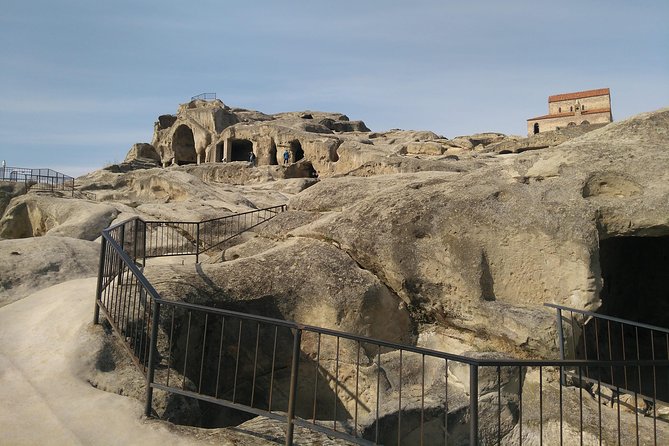
- Uplistsikhe as real rock architecture: a cave city tied to the old Silk Road route and commerce.
- Private day, not a cattle-car plan: hotel pickup, drop-off, and a vehicle just for your group.
A 7-Hour Sweep Through Mtskheta, Gori, and Uplistsikhe
If you only have a day outside Tbilisi, this is a strong way to use it. You cover four stops that each give a different “era feeling,” from Georgian Orthodox worship to kingship legends, then 20th-century Soviet history, and finally a city carved directly out of the earth.
The pace is brisk by design. Jvari is about 30 minutes, Svetitskhoveli is about 1 hour, and then you spend about 1 hour at each of the paid sites: the Stalin Museum and Uplistsikhe. That mix matters because you are not stuck on a single subject. You get variety, but you also give yourself less time to linger and wander.
For most people, that’s the point. You see the key highlights without spending a fortune on a private car for a full day, and you avoid the hassle of figuring out timing between sites.
More Uplistsikhe cave town visits:
- Tbilisi: Mtskheta, Jvari, Gori and Uplistsikhe Day Tour
★ 4.9 · 2,396 reviews - Day Trip to Mtskheta Gori and Uplistsikhe
★ 5.0 · 1,801 reviews - From Tbilisi : Mtskheta, Jvari, Gori & Uplistsikhe Day Trip
★ 4.8 · 432 reviews
Jvari Monastery: Hilltop Views and a Quick Start Near Mtskheta
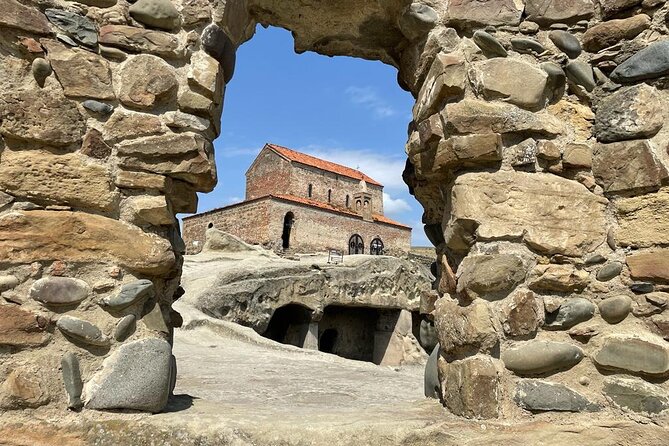
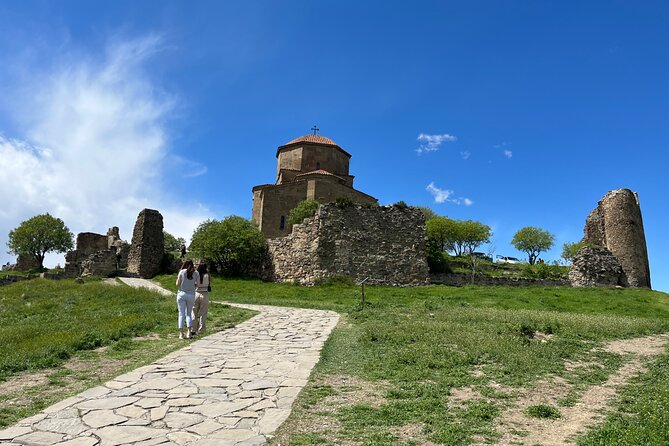
Your day begins at Jvari Church, the Jvari Monastery area near Mtskheta. This is a sixth-century Georgian Orthodox monastery perched above the valley, and the main reason it’s always worth the trip is the view. From up there, you can take in the sweeping scene of Mtskheta’s region and, most importantly, the meeting of the Aragvi and Mtkvari rivers.
The stop is short, about 30 minutes, and admission is free. That’s good news if you like efficiency, but it also means you should arrive ready to move. If you want photos, plan to take them early, while you’re still fresh, before the rest of the day pulls you along.
What I like about starting here is the context it gives. Before you hit Svetitskhoveli, you get an idea of where the landscape funnels people toward this sacred zone. A quick hilltop view can help you understand why towns like Mtskheta became so important, and it gives your day a clean “Georgia, here’s where everything connects” opening.
Practical note: expect stairs and uneven ground. Dress and wear shoes for walking, not for a lazy stroll.
Svetitskhoveli Cathedral in Mtskheta: UNESCO Power and the Robe Legend
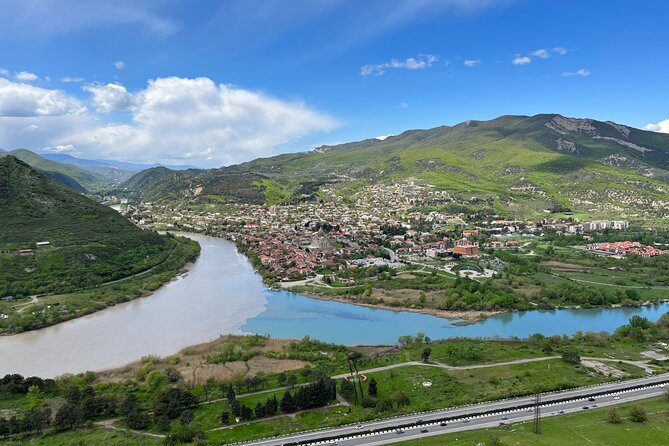
After Jvari, you head into Mtskheta, one of Georgia’s historical anchor points. This town goes far back, founded in the 5th century BC. It served as the capital of the early Georgian Kingdom of Iberia from the 3rd century BC to the 5th century AD. Later, when the capital moved to Tbilisi, Mtskheta did not fade away. It remained tied to major royal traditions, including coronations and burial for many kings of Georgia.
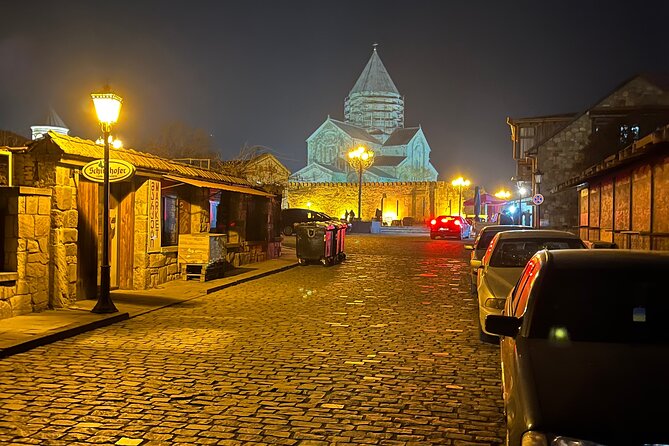
The centerpiece is Svetitskhoveli Cathedral. It’s an Early Middle Ages masterpiece and recognized by UNESCO as a World Heritage site. This is the kind of place where the building itself is the attraction, even before you get into stories.
One of the reasons Svetitskhoveli grabs attention is the legend connected to the cathedral. The belief is that Christ’s robe lies beneath here. Even if you approach that idea with curiosity rather than full belief, it’s a powerful window into why people visited and why they keep returning.
Your time here is about 1 hour, and admission is free. An hour is usually enough to see the main cathedral area and get your photos without feeling rushed, but it won’t give you unlimited roaming. If you love architecture and details, you’ll want to focus on a few key angles rather than trying to cover everything at once.
Also, remember this is an active religious site. Keep your volume down and be respectful with how you move through the space.
Stalin Museum in Gori: Soviet Memory in a Birthplace Setting
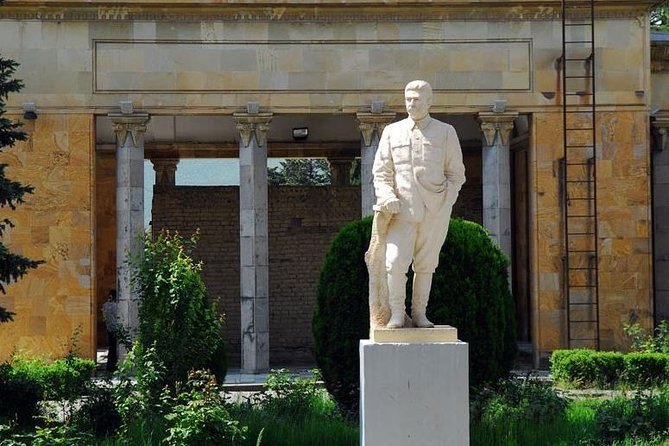
Then the day turns toward Gori, famous as the birthplace of Stalin. The Stalin Museum is where the leader of the Soviet Union was born and grew up. You also can see his armored train.
This stop is about 1 hour, and the admission is not included. The ticket price listed is 15 GEL.
A museum like this can land in different ways depending on what you want from your trip. If you’re interested in 20th-century history, the birthplace setting helps make the story feel human rather than abstract. If you prefer older periods, you can still make it work, because this visit shows how one city got shaped by politics and power in the 1900s.
The most important practical takeaway: give this stop your full attention for the full hour. It’s easy to rush when you’ve still got Uplistsikhe ahead, but a careful pass is better here. The details tied to Stalin’s childhood home and the armored train are the kind of things you will remember later when you start comparing different eras of Georgian history.
If your guide is strong, this stop gets better. One review specifically called out Davit as showing extra sites and connecting stories clearly. A good guide helps you see cause and effect, not just dates and names.
More trips taking in Jvari Monastery:
- Tbilisi: Mtskheta Jvari Bazaar, Chronicles of Georgia & Wine
★ 5.0 · 1,088 reviews - Tbilisi:Mtskheta,Jvari,Bazaar,wine tasting,Chronicles of Georgia
★ 5.0 · 730 reviews - From Tbilisi: Mtskheta, Jvari, Gori, Uplistsikhe Guided Tour
★ 4.7 · 354 reviews - Tbilisi: The Chronicles of Georgia, Jvari & Mtskheta Tour
★ 5.0 · 307 reviews
Uplistsikhe Cave City: Rock-Hewn Streets on the Old Silk Road
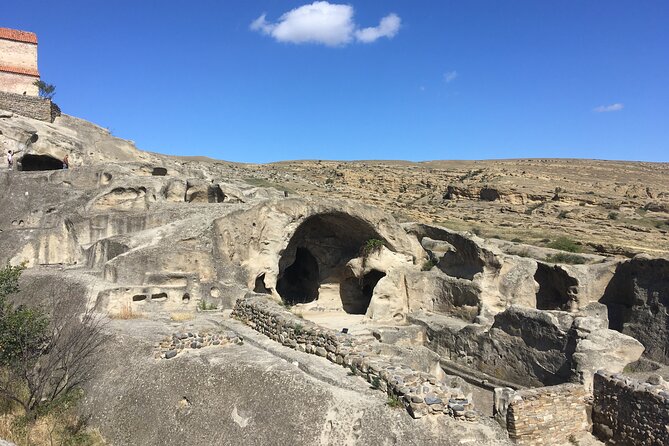
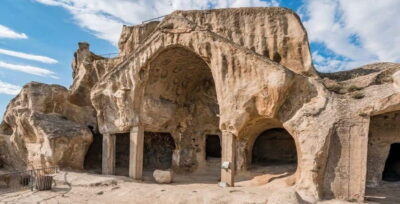
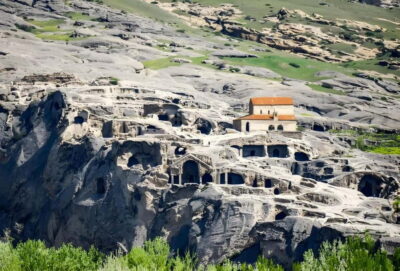
Next comes Uplistsikhe, often described as the Fortress of the Lord. This is an ancient rock-hewn town, carved into stone. It sits directly along the path of the old Silk Road, which is a big part of why it grew into a strategic and commercial center.
Uplistsikhe is not just an “interesting ruins” stop. It’s structured in a way that makes you imagine daily life on the move. At its peak, the city had a population of about 20,000. That scale changes how you look at the site. You stop thinking of it as a few scattered caves and start imagining streets, gathering spots, and busy trade movement.
Your visit is about 1 hour, and admission is not included. The ticket listed is 15 GEL.
This is the stop where comfort really matters. Caves and rock-hewn architecture often mean uneven floors, steps, and narrow areas. If you have mobility limits, wear supportive shoes and take your time. If you’re traveling with anyone who gets uncomfortable on stairs, you’ll want to set expectations before you arrive.
One reason I think this stop works so well in a day plan is that it complements everything else. Jvari and Svetitskhoveli show religious meaning. Stalin Museum shows political meaning. Uplistsikhe shows economic meaning, literally carved into the ground by people who were building a life around trade and control.
What You’re Paying For, and How to Budget the Extras
The price is $100 per person for a day tour of about 7 hours. For that money, you get a lot of the hard parts taken care of. Included items are fuel surcharge, a driver-guide, hotel pickup and hotel drop-off, and a private vehicle.
So where does the value show up? In time and effort. You avoid renting a car for a full day, and you don’t have to piece together transport between Mtskheta, Gori, and Uplistsikhe. Also, the private vehicle helps you keep the schedule tight, since the tour includes multiple stops back-to-back.
Now, plan for the paid entrances. Jvari Church and Svetitskhoveli Cathedral are ticket free on this route, but:
- Stalin Museum: 15 GEL
- Uplistsikhe: 15 GEL
That means you should budget about 30 GEL total for the two paid sites.
Lunch and food are not included. You’ll want to bring a plan, whether that means grabbing something before you start, packing snacks, or deciding how you want to handle meals during the day. This matters because when a schedule is tight, hunger can turn a good day into a cranky one.
If you like spending money on experiences rather than figuring logistics, this pricing structure tends to feel fair. If you want totally zero extra costs beyond the headline price, then it’s not quite that kind of tour, but the extra fees are clearly stated.
Getting the Best Day Experience From Your Guide and Your Time
The tour starts at 10:00 am and runs about 7 hours. That’s a good length for a highlights day, but it does require a couple of mindset shifts.
First, move with the schedule. If you let yourself get stuck at one photo spot, you can end up running behind the rhythm the route is built on. Your stops are timed, so aim to take photos quickly, then pay attention to what your guide is pointing out.
Second, choose practical comfort. You’ll deal with stairs at Jvari and uneven terrain at Uplistsikhe. Wear shoes that you actually trust on rock and steps. Bring a water bottle if that fits your preferences, since meals and drinks are not included.
Third, lean into storytelling. The strongest moments on a day like this are often the small connections your guide makes. In the feedback you’ll find names like Irakli and Davit, both praised for communication and stories. A guide who can connect the dots makes Mtskheta feel less like a stop on a list and more like a place with momentum through centuries.
Finally, keep your expectations realistic. This is a “see the main things” day. If you want slow wandering and long sitting, you might prefer a standalone visit with more flexible time at one site.
Should You Book This Day Trip From Tbilisi?
I’d book it if you want one day that mixes UNESCO-level architecture, Orthodox pilgrimage context, Soviet-era history, and a Silk Road cave city, all without renting a car. It’s especially good value because pickup, drop-off, fuel, and a private vehicle are included, so your money goes toward the actual experience rather than logistics.
I would skip or reconsider if you hate crowds of stairs and tight timing. It is a packed day, and the two non-included attractions add some extra entry costs. Also, if your heart is set only on one theme, like purely medieval sites, this route spreads your attention across multiple eras.
If you’re flexible, this is a fun way to understand how Georgia changed power over time, while still holding onto the sacred and the strategic parts of the story.
FAQ
How long is the tour?
It runs about 7 hours.
What time does the tour start?
The start time is 10:00 am.
Does the price include hotel pickup and drop-off?
Yes, hotel pick up and hotel drop-off are included.
Are entrance tickets included for all stops?
No. Jvari Church and Svetitskhoveli Cathedral are ticket free on this tour. The Stalin Museum and Uplistsikhe have separate tickets that cost 15 GEL each.
Is lunch included?
No. Food and drinks, including lunch, are not included.
Is this a private tour?
Yes. It is private, meaning only your group participates.
What is the cancellation policy?
You can cancel for free up to 24 hours in advance for a full refund. If you cancel less than 24 hours before the start time, the amount you paid will not be refunded.
More Mtskheta Tours from Tbilisi
- From Tbilisi: Mtskheta, Jvari, Gori & Uplistsikhe Cave Tour
★ 4.7 · 296 reviews - From Tbilisi: Mtskheta, Jvari, Gori & Uplistsikhe Day Trip
★ 4.8 · 153 reviews - Mtskheta-Gori-Uplistsikhe
★ 5.0 · 112 reviews - Mtskheta, Jvari, gori, uflistsikhe, history and panorama (group tours)
★ 4.5 · 107 reviews
Recently reviewed around Tbilisi
- Tbilisi City Tour★ 4.5 · 3 reviews
- Tbilisi City Tour with Street Photography★ 5.0 · 3 reviews
- Tbilisi City, Jvari Monastery, Uplistsikhe caves, Mtskheta city Private Day Trip★ 4.5 · 3 reviews
- Private Trip to Tbilisi and Mtskheta – Cultural Capitals★ 5.0 · 3 reviews
- Wild Georgia 4WD PACK Adventure through Kakheti and Kazbegi 2in1★ 5.0 · 3 reviews
- Tbilisi Airport to Gudauri, Bakuriani, Batumi, Tbilisi★ 5.0 · 3 reviews
- Private Adorable City Tour of Tbilisi★ 5.0 · 3 reviews
- Private Wine Tour In Kakheti Region with 7 Wines and Lunch★ 5.0 · 3 reviews
Mtskheta Ancient Capital, compared.
Mtskheta, Jvari, Gori and Uplistsikhe Day Tour
Read our review →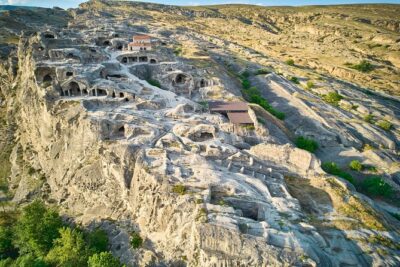
Mtskheta Jvari Bazaar, Chronicles of Georgia & Wine
Read our review →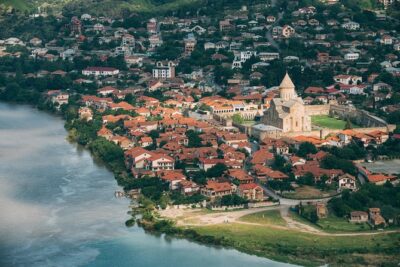
Mtskheta,Jvari,Bazaar,wine tasting,Chronicles of Georgia
Read our review →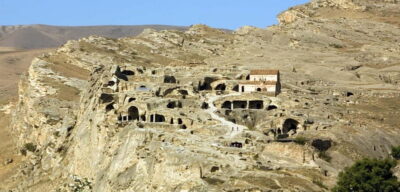
The Chronicles of Georgia, Jvari & Mtskheta Tour
Read our review →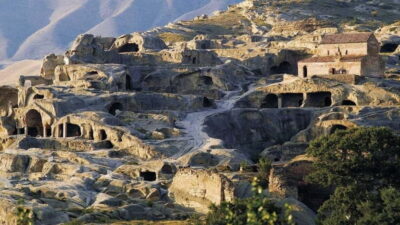
Browse the lists this tour appears in