
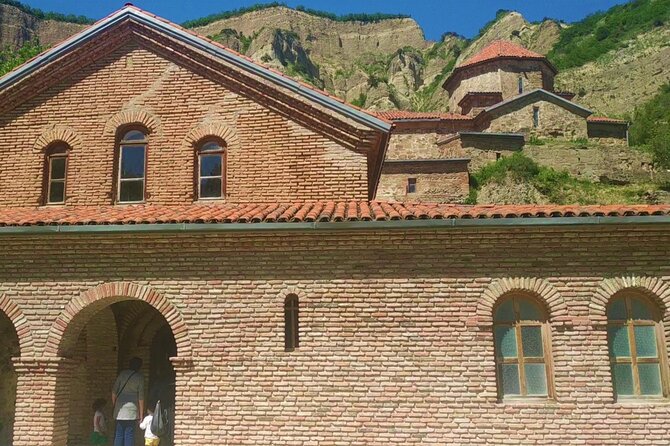
Reviewed · MTSKHETA ANCIENT CAPITAL
Mtskheta Tour with All UNESCO Sites & Ancient Ruins
This tour is interesting because Mtskheta feels like Georgia compressed into stone, with multiple UNESCO-listed churches tied to early Christianity. You’ll go from a hilltop viewpoint at Jvari to the major cathedral complex in town, then keep working through monasteries that still look remarkably like they did centuries ago.
I especially like the hassle-free pickup and the way the day is paced with actual time inside each site. I also like that the guide explanation is built into the route, so you’re not just reading plaques while time slips by.
One possible drawback: it’s a packed 9-hour day with church visits and walking on uneven ground and stairs, so if you hate religious-site rules or long standing, plan accordingly and wear the right shoes.
Key Points Worth Knowing Before You Go
- Hotel pickup plus a private air-conditioned vehicle keeps the day comfortable and low-stress.
- UNESCO coverage is the point, with stops at Jvari, Svetitskhoveli, Samtavro, and Shio-Mgvime.
- Admission is free at each listed stop, which boosts the value.
- Guides like Giorgi are known for telling the story clearly, not rushing you through.
- Dress code matters for Orthodox churches, and you’ll do some walking with terrain and stairs.
- Good weather is required, so have a Plan B in mind.
UNESCO Mtskheta Tour: A Practical Way to See Georgia’s Early Christian Sites
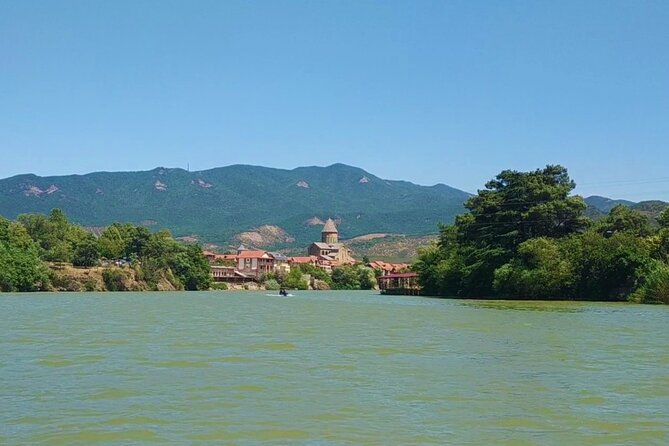
If you’re the type of traveler who likes your sightseeing with context, this is a strong route. Mtskheta was a major center long before Tbilisi stole the spotlight, and the churches here are tied to big religious stories, royal burial traditions, and distinctive Georgian architecture.
I like that the tour doesn’t treat the monuments like background scenery. Each stop is a chapter: the hilltop monastery church that helped define a church style, the cathedral tied to a famous holy relic tradition, then two more monasteries linked to Saint Nino and hermit life.
You should be ready for a day that centers on churches and monasteries. It’s not a “quick photo, move on” style outing. It’s more like a guided walk through key sites where you’ll want to slow down and pay attention.
More Mtskheta tours from Tbilisi:
- Tbilisi: Mtskheta, Jvari, Gori and Uplistsikhe Day Tour
★ 4.9 · 2,396 reviews - Day Trip to Mtskheta Gori and Uplistsikhe
★ 5.0 · 1,801 reviews - Tbilisi: Mtskheta Jvari Bazaar, Chronicles of Georgia & Wine
★ 5.0 · 1,088 reviews
Pickup, Vehicle Comfort, and the Rhythm of a 9-Hour Day
The timing is straightforward: you start at 9:00 am with confirmation at booking. The big practical win is that hotel pickup is offered, which saves you from figuring out local transport on a day when you’ll already be doing stairs and museum-like walking.
You’ll ride in a private air-conditioned vehicle, which matters in Georgia because the comfort factor on a full day is real. You also get a mobile ticket, and there can be group discounts depending on how you book.
Here’s the rhythm to expect: the day includes four major stops. You’ll spend about 30 minutes at Jvari and Samtavro, about 1 hour at Svetitskhoveli Cathedral, and about 1 hour at Shio-Mgvime. That means you get enough time to see what makes each place special, but it stays tight enough to finish the full UNESCO loop.
Stop 1: Jvari Church on the Mountain, Where Architecture Meets a Big View
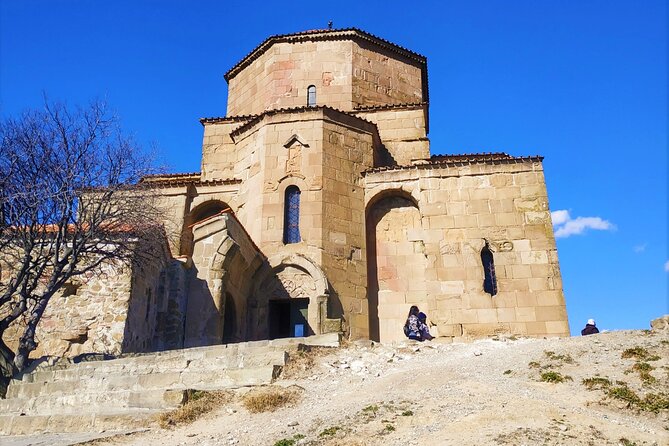
Jvari Church (also called Jvarii Monastery) is a sixth-century Georgian Orthodox monastery, and it’s listed as a UNESCO World Heritage site. The reason it matters is simple: it’s described as a rare case of an Early Medieval Georgian church that survived to today almost unchanged.
From a practical standpoint, Jvari is also where you get the “I get why people love this place” moment. It sits on Jvari Mount at about 656 meters above sea level, so you’re going for more than just walls. You’re going for atmosphere and long views, and that’s part of how Georgian architecture connects with the environment.
Why the stop feels more meaningful than a standard church visit: Jvari is tied to architecture history. It’s noted as the founder of the Jvari-type of church architecture, a style that became common in Georgia and Armenia. In other words, this isn’t just old, it influenced what came after.
The visit time is about 30 minutes, and admission is free. That’s enough time to take in the structure and understand what you’re looking at, as long as you don’t rush. If you’re sensitive to heights or wind, bring something for the mountain air.
Stop 2: Svetitskhoveli Cathedral, the Living Pillar and Royal Burial Tradition
Next up is Svetitskhoveli Cathedral, also called the Cathedral of the Living Pillar. It sits in historic Mtskheta, northwest of Tbilisi, and it’s another UNESCO site.
This is the stop I’d call the centerpiece. The cathedral is recognized as a masterpiece of the early and high Middle Ages, and it’s especially famous for the tradition that it’s the burial site of Christ’s mantle. It’s also described as one of the most venerated Orthodox churches in the region.
I also like how the guide context can change what you notice. Svetitskhoveli served as a burial place for kings over the centuries. That means even if your attention naturally goes to carvings and structure, you’re also in a place where the building itself carries political and spiritual weight.
Architecturally, you’ll see a cross-in-square structure, and the present building was completed between 1010 and 1029 by architect Arsukisdze. The site dates back earlier (to the early fourth century), so the cathedral feels like layers of time rather than one single moment frozen in place.
One caution for expectations: the cathedral’s decoration history includes loss. Some precious frescoes were lost because they were whitewashed by Russian Imperial authorities. That’s not a reason to skip it. It’s a reminder to look closely and appreciate what still remains.
You’ll get about 1 hour here, and admission is free.
A few more Tbilisi days worth putting side by side
- Tbilisi: Day Trip to Kazbegi, Gudauri, Gergeti, and Ananuri
★ 4.9 · 3,203 reviews - Day Trip to Kakheti Wine Region Including 9 Wine Tastings
★ 5.0 · 2,774 reviews - Highlights of Caucasus Mountains-Jinvali,Ananuri,Gudauri,Kazbegi(Group tour)
★ 5.0 · 2,682 reviews - From Tbilisi: Kakheti Wine Region Tour with 9 Wine Tastings
★ 4.9 · 2,541 reviews
Stop 3: Samtavro Church, Saint Nino Roots and 11th-Century Temple Details
Samtavro Monastery is tied directly to Saint Nino. The monastery was founded in the 4th century when a smaller church was built here. Later, the main temple is stylistically dated to the first half of the 11th century, and it’s associated with King George I and Catholicos-Patriarch Melchizedek I.
This stop works well after the big cathedral because it feels more grounded and intimate. It’s also protected by UNESCO, and it’s described as combining the Transfiguration Church and the Nunnery of St. Nino.
You’ll spend about 30 minutes here. That sounds short until you realize you’re not just viewing one building. You’re orienting yourself to a site that links early Christian mission history with later royal-era church development.
If your main interest is architecture, you might find yourself wanting more time, but the day is structured so you won’t skip the other major monastery.
Admission is free, and the time window is long enough for a calm look if you keep your pace steady.
Stop 4: Shio-Mgvime Monastery, Thirteen Assyrian Fathers and a Hermit’s Cave
Shio-Mgvime Monastery brings in a different flavor of early Christianity. It was founded by St. Shio, connected to the Thirteen Assyrian Fathers who came to Georgia as Christian missionaries. The details that make this stop stand out are the emphasis on hermit life and the plain style of the earliest surviving architecture.
St. Shio spent his last years as a hermit in a deep cave. The earliest building at the monastery is described as a very plain and strict cruciform church dating to the 560s to 580s. The church has an octagonal dome covered with a conic roof, and it once housed a stone iconostasis that is now at the Art Museum of Georgia.
That matters because it explains why you might see a church that feels stark. The intention was strictness, not decoration overload. And when a site like this survives through centuries of change, you can start to appreciate the “shape” of faith more than the polish of it.
There were alterations in the 11th and 18th centuries, but the monastery retained original architecture. So even with changes, the bones stay recognizable.
You’ll spend about 1 hour here, and admission is free.
Walking Between Stops, Shoes, and Orthodox Church Etiquette
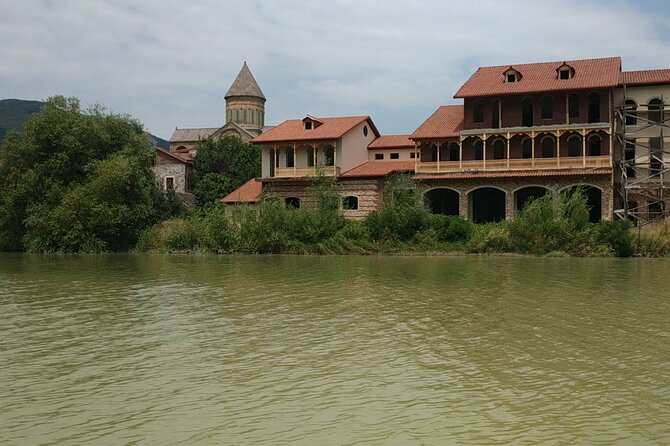
This tour includes walking through Mtskheta’s old town, with various terrain and stairs. That’s not a warning sign, but it is a reminder. Bring comfortable shoes that can handle uneven ground. If you plan to wear fashion sandals, this is the wrong day to test them.
Orthodox churches also have dress expectations. Ladies need headscarves and dresses in Georgian Orthodox churches. Short trousers for men are forbidden. You’ll often be able to find scarves and dresses near some church entrances, but don’t count on this as a guarantee for every stop. It’s easier to just pack something that fits the rule.
One more practical tip: plan to slow your pace. These sites are meant to be looked at, not just walked past. If you’re the type who wants to rush through for photos, you’ll miss the details that make each place feel different.
Value Check: Does $127.50 Make Sense for a UNESCO Loop?
At $127.50 per person for about 9 hours, the price is strongest when you think about what’s included, not just what’s on paper.
Here’s what improves the value:
- Hotel pickup plus a private air-conditioned vehicle reduces time, stress, and effort.
- Each of the four listed stops has free admission, which adds up across multiple sites.
- You get guided context in English, which helps you connect the dots between architecture, relic traditions, and historical timeline.
- It’s private, meaning it’s only your group on the activity, not a big free-for-all.
There’s also an option around lunch. If you choose a tour with lunch, it’s handled through the operator using dietary restrictions you share. If you choose the budget option, lunch isn’t included, but you will stop in a restaurant.
If you’re budgeting tightly, the free admissions are a big plus. If you’re paying for comfort and structure, pickup plus an air-conditioned vehicle is exactly the kind of “small cost that saves energy” that matters on a long day.
Who This Mtskheta UNESCO Tour Fits Best
This tour is a good match if:
- You want to see UNESCO sites in Mtskheta without planning each stop yourself.
- You enjoy guided explanations that connect the sites to larger religious and architectural stories.
- You’d rather spend energy on looking around than figuring out transport.
It may be less ideal if you:
- Want a super slow day with lots of downtime.
- Have trouble with stairs or long periods of walking, since the old town route includes uneven ground.
- Are strict about avoiding religious-site dress rules, because you’ll need to follow them inside churches.
The good news is that the tour notes “most travelers can participate,” so it’s not presented as an extreme itinerary. You just need smart shoes and a bit of flexibility.
Pair It With Tbilisi If You Want a Full Georgia Week
This specific tour is focused on Mtskheta. If you’re also exploring Tbilisi, you can balance the day by choosing a Tbilisi activity that doesn’t conflict with your church-heavy schedule. For example, you might combine this with a river boat ride or a viewpoint experience in Tbilisi on a separate day, so your legs are fresh.
That approach keeps your trip feeling varied. You get UNESCO monuments one day, then more modern city atmosphere the next.
Should You Book This Mtskheta Tour With All UNESCO Sites?
I’d recommend booking it if your goal is a structured UNESCO day that covers the main sites in Mtskheta with practical comfort. The pickup, the private vehicle, and the free admissions make it feel like more than a basic sightseeing loop. And the guided storytelling, including a style associated with guides like Giorgi, is the kind of added value that helps the buildings make sense fast.
I would hesitate only if you know you struggle with church dress rules or you don’t tolerate walking and stairs well. Also remember the experience requires good weather, so if skies look messy, you may be rescheduled or offered another date.
If you’re aiming for one high-impact day outside Tbilisi, this is one of the cleanest ways to do it.
FAQ
How long is the Mtskheta UNESCO sites tour?
It runs for about 9 hours.
What time does the tour start?
The start time is 9:00 am.
Is hotel pickup included?
Yes, pickup is offered.
Is the tour private?
Yes. Only your group will participate.
Is admission included for the stops?
Admission tickets are listed as free for each stop on the itinerary.
What churches have dress requirements?
Georgian Orthodox churches require that ladies wear headscarves and dresses, and men should not wear short trousers. Scarves and dresses can be found near some church entrances.
What stops are included?
Jvari Church, Svetitskhoveli Cathedral, Samtavro Church, and Shio-Mgvime Monastery.
Is lunch included?
A lunch option is mentioned if you book Tour with Lunch. The budget tour option does not include lunch, but you stop in a restaurant.
What language is the tour offered in?
The tour is offered in English.
What happens if the weather is bad?
The experience requires good weather. If it is canceled due to poor weather, you will be offered a different date or a full refund.
Recently reviewed around Tbilisi
- Tbilisi City Tour★ 4.5 · 3 reviews
- Tbilisi City, Jvari Monastery, Uplistsikhe caves, Mtskheta city Private Day Trip★ 4.5 · 3 reviews
- Tbilisi City Tour with Street Photography★ 5.0 · 3 reviews
- Wild Georgia 4WD PACK Adventure through Kakheti and Kazbegi 2in1★ 5.0 · 3 reviews
- Private Trip to Tbilisi and Mtskheta – Cultural Capitals★ 5.0 · 3 reviews
- Tbilisi Airport to Gudauri, Bakuriani, Batumi, Tbilisi★ 5.0 · 3 reviews
- Private Adorable City Tour of Tbilisi★ 5.0 · 3 reviews
- Private Wine Tour In Kakheti Region with 7 Wines and Lunch★ 5.0 · 3 reviews
Mtskheta Ancient Capital, compared.
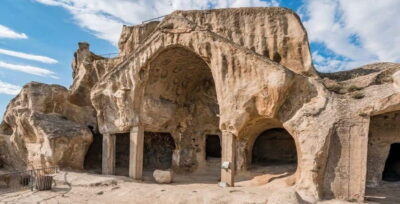
Mtskheta, Jvari, Gori and Uplistsikhe Day Tour
Read our review →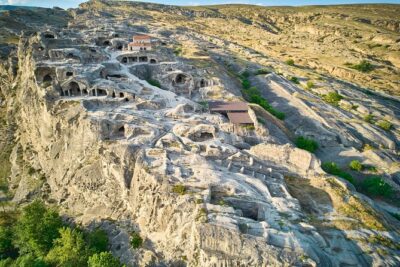
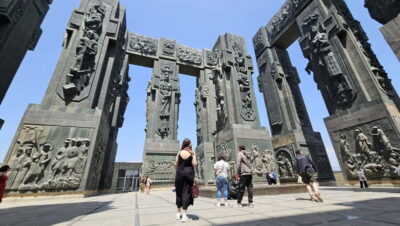
Mtskheta Jvari Bazaar, Chronicles of Georgia & Wine
Read our review →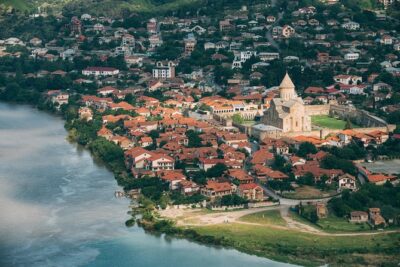
Mtskheta,Jvari,Bazaar,wine tasting,Chronicles of Georgia
Read our review →
The Chronicles of Georgia, Jvari & Mtskheta Tour
Read our review →
Browse the lists this tour appears in