
Reviewed · MTSKHETA ANCIENT CAPITAL
Mtskheta – Gori – Uplistsikhe caves • Private tour
A route like this is interesting because it changes themes all day. You start with a story carved in stone in Tbilisi, shift to Georgia’s ancient Christian heart, then head to Soviet history in Gori, and finish in a cave city that once hosted traders and everyday life.
I particularly like how the tour mixes big viewpoints with small details you can miss on your own. And I also like the private format, which means you set the pace and can ask questions without feeling rushed. One thing to consider is that you will walk between sites, including some uphill stretches and uneven paths at the cave complex, so comfy shoes matter.
Key Points You Should Care About
- Private group pacing with hotel pickup, so you can move at a human speed
- UNESCO Jvari Monastery with views over the confluence of two rivers
- Mtskheta’s Christian core plus time for the small-town streets and shops
- Gori’s Stalin Museum and the covered house where Stalin lived for his first years
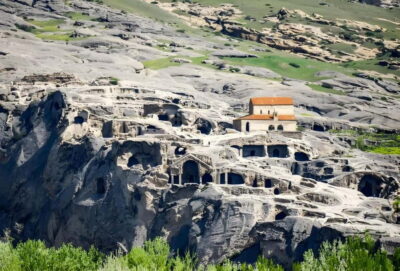
- Uplistsikhe Cave Town with standout features like Queen Tamar’s hall, wine presses, and a three-nave basilica
- Good guide energy: one guide named Giorgi is praised for being professional, patient, and ahead with explanations
A Full Day That Connects Four Different Georgia Stories
This tour is built like a “change the channel” day, except each channel is worth your attention. You go from Tbilisi’s stone monument storytelling, to the religious geography around Mtskheta, to Gori’s Soviet-era presence, and then to Uplistsikhe, where the architecture is literally carved out of the rock.
The value here is not just that you hit major stops. It’s that you also get context, like why certain places were important enough to keep, rebuild, or memorialize. The tour is offered in English, and it’s designed for small, private groups, so you are not stuck following a rigid script.
One practical bonus: the schedule is long enough to feel complete, but it is not so long that you are trapped in a coach for the whole day. You are out seeing sites for roughly 8 hours starting at 9:00am, with pickup from any hotel in Tbilisi.
More day trips to Gori:
- Tbilisi: Mtskheta, Jvari, Gori and Uplistsikhe Day Tour
★ 4.9 · 2,396 reviews - Day Trip to Mtskheta Gori and Uplistsikhe
★ 5.0 · 1,801 reviews - From Tbilisi : Mtskheta, Jvari, Gori & Uplistsikhe Day Trip
★ 4.8 · 432 reviews
Price and What $90 Covers (and What It Does Not)
At $90 per person, this is a straightforward, full-day package. You get private transportation plus bottled water, and the tour includes admission to Uplistsikhe Cave Town. That last point matters, because the cave complex is the most “tickets add up” part of many day trips.
What is not included:
- Lunch (recommended by your guide, but you pay for it)
- Tickets for Josef Stalin’s museum in Gori
The rest is mostly free at the specific sites on this route: the Chronicles of Georgia monument, Jvari Church/Monastery, and the time in Mtskheta are listed as free of admission. So your main paid item on the day, besides lunch, is usually the Stalin Museum ticket.
If you care about value, this is one of those days where the inclusions are sensible: transportation, water, and the one attraction that is both time-consuming and ticket-relevant. Just plan your day budget for lunch and for the Stalin Museum.
Comfort, Pacing, and the Private-Tour Advantage
This tour works best when you let it be flexible. Because it is private, your guide can slow down for questions, answer the “why does this matter” stuff, and point out details you might otherwise walk past.
A key advantage showed up in feedback around guide quality and communication. One person highlighted Giorgi as a guide who was professional and patient, and also said communication with the operator team was quick and fluent (they mentioned Giga in particular). Another noted Abel as a helpful tour agent who could handle a last-minute arrangement and keep things organized.
That kind of responsiveness matters on a day trip because the first 20 minutes set the tone. If pickup is smooth and the guide gets you moving with clear context, the whole day feels easier.
Practical tip: if you like to linger, ask your guide how to manage time at each stop. One comment you may relate to is that if you shorten the Stalin Museum portion, you can shift that time to other stops and enjoy them more.
Stop 1: The Chronicles of Georgia Monument and Its Stone Stair Story
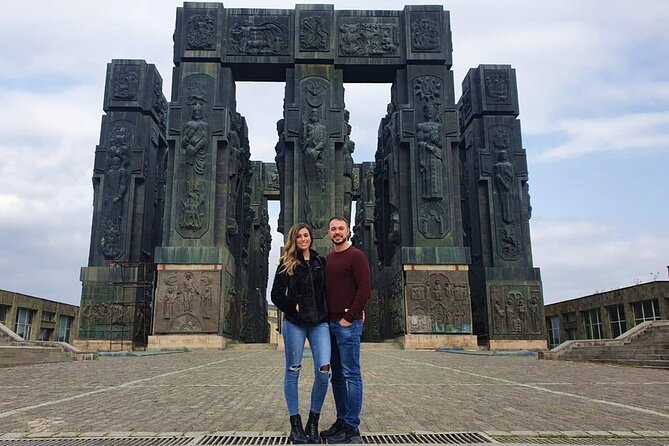
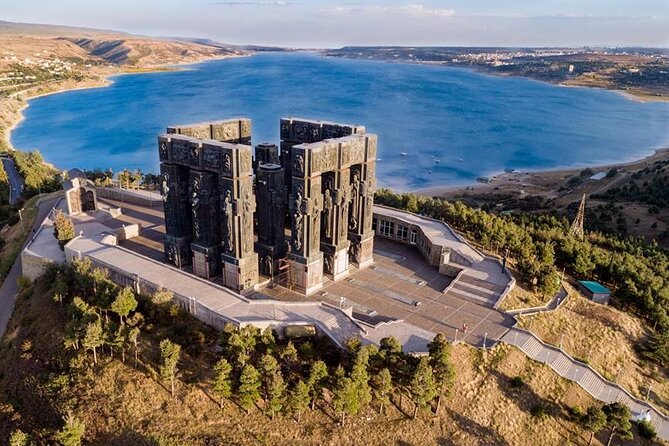
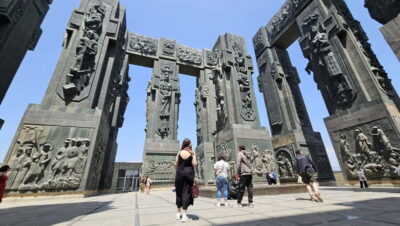
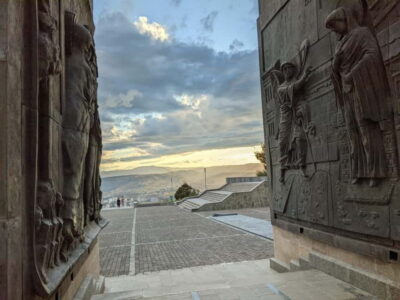
Your day begins back in Tbilisi with the Chronicles of Georgia monument. It is built from stone and sits on top of a series of massive stairs. The setting gives it a “read me from below” feel, so even if you are not a museum person, you will get something out of the visual approach.
The tour time here is about 30 minutes, and the admission is free. This is one of those introductions that helps you later understand what you are seeing. You start to recognize how Georgia tells its past through monuments, symbols, and location.
What I like about this stop is the pacing. It is early, it is not overly long, and it gives you a historical frame before you head toward Mtskheta. Also, the stairs are part of the experience, so wear shoes that handle stone steps comfortably.
More Uplistsikhe cave town visits:
- From Tbilisi: Mtskheta, Jvari, Gori, Uplistsikhe Guided Tour
★ 4.7 · 354 reviews - From Tbilisi: Mtskheta, Jvari, Gori & Uplistsikhe Cave Tour
★ 4.7 · 296 reviews - From Tbilisi: Mtskheta, Jvari, Gori & Uplistsikhe Day Trip
★ 4.8 · 153 reviews - Mtskheta-Gori-Uplistsikhe
★ 5.0 · 112 reviews
Stop 2: Jvari Monastery for the Confluence Views
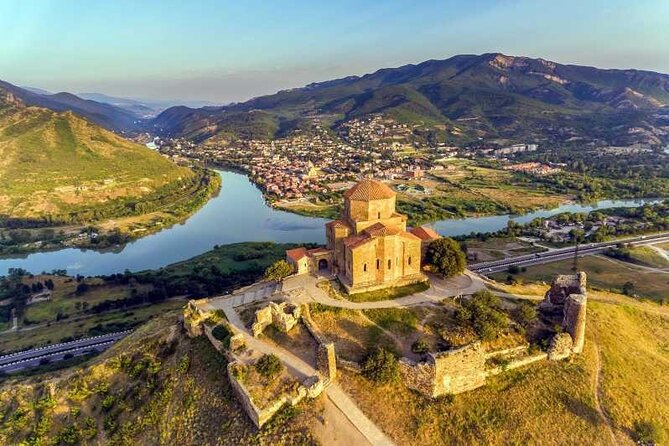
Next you leave Tbilisi for Mtskheta, and you stop at Jvari Church/Monastery, a UNESCO World Heritage site. It is described here as a 6th-century site and is known as a major religious center in Georgia.
The highlight is the view. From this point you can see the confluence of two rivers, which means your photos come with meaning, not just scenery. The time on site is about 50 minutes, and admission is free on this tour.
A quick consideration: Jvari is a viewpoint first, site second. That means the weather matters. If it is windy or very hot, you will want to dress for it and keep water on hand. Luckily, bottled water is included in the tour.
What you’ll likely enjoy most is how your guide connects geography to history. When you can see the rivers meet, it is easier to understand why religious sites were built where they are. Water routes shaped trade, travel, and settlement long before modern roads.
Stop 3: Mtskheta Town Time, Streets, and the Svetitskhoveli Cathedral Area
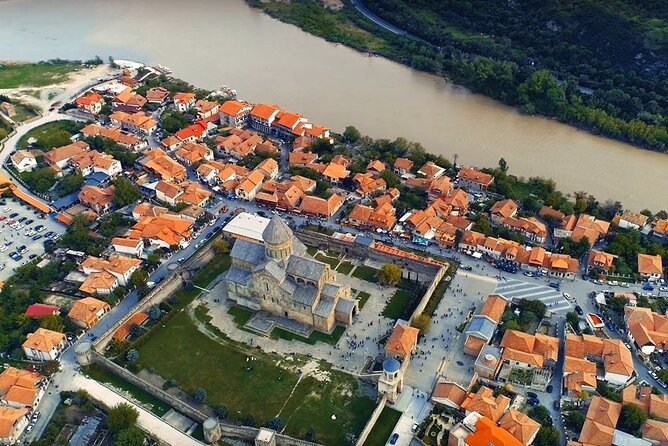
After Jvari, you spend time in Mtskheta, often described as the birthplace and one of the most important Christian centers in Georgia. You’ll be near Svetitskhoveli Cathedral, listed here as an 11th-century landmark.
The town itself is small and requires only about an hour to get a good feel. That one-hour window is useful because it keeps you from getting stuck in “touritis.” Instead, you can slow down for streets, viewpoints, and small stops without feeling like you are rushing between attractions.
Mtskheta’s cobbled streets are lined with small open-air shops where you might find wine, ceramics, sweets, and souvenirs. This is the kind of place where you can pick up gifts that feel local rather than generic.
Two practical notes:
- Since the tour time is limited, go for a gentle loop rather than trying to cover every storefront.
- If you want photos near the cathedral area, pick the time when light looks best, and don’t be afraid to ask your guide for a good angle.
Stop 4: Gori’s Stalin Museum and the Covered Family House
Your route continues to Gori for the Stalin Museum. This museum is dedicated to Joseph Stalin, and the story ties back to his birth here. The guide also points out the Dzhugashvili family home, described as a wood-and-mud-brick house where Stalin lived for his first four years. That house is under cover outside the main museum building.
Time here is about 1 hour, and admission is not included in the tour price. So plan for that extra cost when you’re budgeting.
Even if you are not a politics history person, this stop can still be worth it because it is so visual. The museum setting helps you grasp how Soviet-era narratives were preserved, displayed, and turned into public learning.
A consideration: it may feel heavy compared with the religious sites and the cave town. If you prefer a lighter tone, you can still keep the visit efficient. One piece of advice you can take from how people talk about this day is that skipping or shortening the Stalin Museum time gives you more room to breathe at the other stops.
Stop 5: Uplistsikhe Cave Town, Where Daily Life Was Carved Into Rock
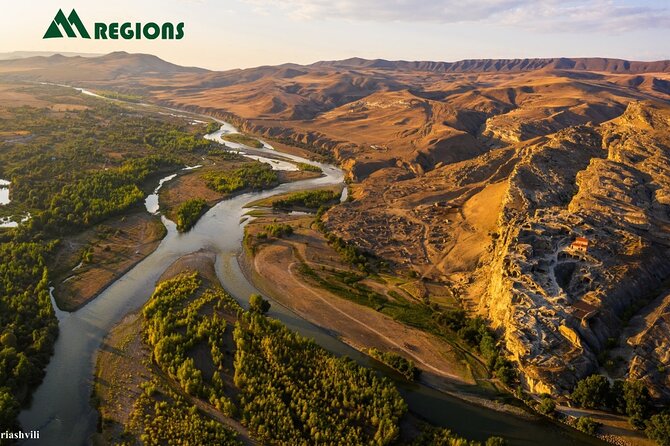
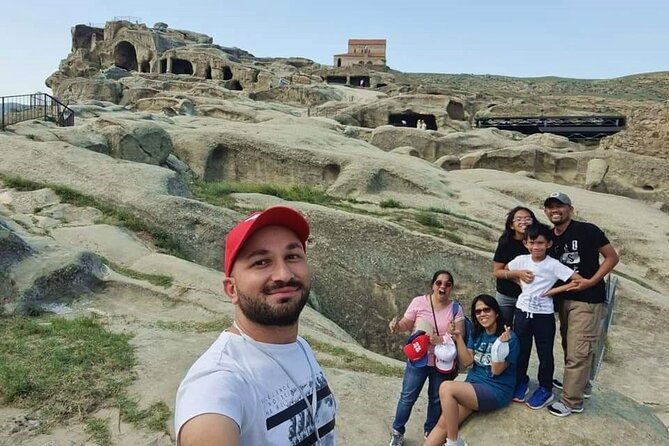
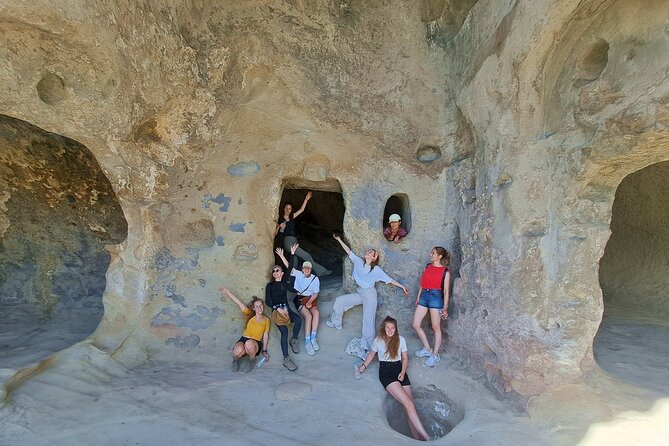
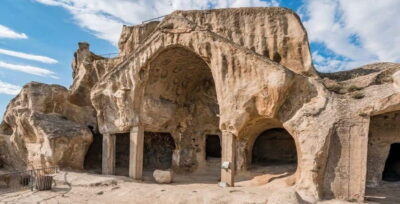
Uplistsikhe is the dramatic finish. This is a cave town, and it is not a “single-room” type of attraction. It is spread out, and it reads like an archaeological map of how a community lived.
On this tour you get about 1 hour 30 minutes here, and the admission ticket is included.
The big context you get is that Uplistsikhe was once the center of a trading region and involved in economic life beyond its walls. It is supposed to have had over 770 caves in ancient times, with about 150 preserved now. That number helps you understand why the site feels large and layered rather than small and decorative.
What you can expect to see includes:
- An amphitheater, for the idea of gathering and events
- Queen Tamar’s hall, tied to one of Georgia’s well-known rulers
- Prisons, which make the social side of the story hard to ignore
- Wine presses, a reminder that food and drink were part of the economy
- A pharmacy, which gives you a glimpse of how people imagined care or preparation
- A three-nave basilica, showing the religious footprint in the carved space
My favorite part of cave towns is that your brain naturally switches from “look at art” to “read a system.” You start imagining how people moved through spaces, stored goods, gathered, and kept life going in rock. With a guide, you are not just walking from point A to point B. You are getting the “what this was for” meaning behind each named structure.
Practical tip: go a bit slower than you think you need. Cave complexes reward curiosity, and your guide will likely point out features as you walk past. Also, bring a camera, because the angles and textures are part of the story here.
Timing That Works, Plus Lunch Tips for a Real Georgian Break
This is a 9:00am departure, and the day runs about 8 hours. That means you are doing a lot of meaningful stops without needing to wake up at the crack of dawn for an overnight marathon.
Lunch is on your own expense. The guide is supposed to recommend a traditional Georgian lunch. The reason that matters is simple: in a day like this, you want a meal that fits the schedule, not a restaurant that sounds great but leaves you hungry and late.
Here is how I suggest you approach lunch:
- Go with your guide’s recommendation for practicality and timing.
- Don’t pick a place that requires a long wait. On this kind of route, being even 30 minutes behind can steal time from your favorite stop.
- If you want to keep photos for later, eat a little lighter so you feel good in the cave town.
One more pacing tip: if you like to linger, consider saving extra time for whichever stop you connect with most. People who felt satisfied with this day often liked having room in the schedule, especially if they managed the Stalin portion efficiently.
What This Tour Is Best For (and Who Should Think Twice)
This tour is a strong fit if you want a single-day mix of:
- UNESCO and historic Georgia around Mtskheta
- a viewpoint-focused monastery stop at Jvari
- Soviet-era history in Gori without turning the day into an all-day lecture
- a hands-on type site at Uplistsikhe where the details are built into the rock
It is less ideal if you hate walking, because you are moving between sites and spending real time exploring. It is also not the best choice if you want a purely relaxing day. This is a structured, culture-heavy route.
If you like asking questions, you will probably enjoy it most. The day is set up so your guide can explain the “why” behind the names: early history on the stairs in Tbilisi, river confluence at Jvari, Christianity-centered sites in Mtskheta, and the many named spaces within the cave town.
Should You Book This Mtskheta, Gori, and Uplistsikhe Private Tour?
I think you should book it if you want the most efficient way to see multiple layers of Georgia in one day, with private transportation and a guide who can connect the dots. The inclusions are smart, especially the fact that Uplistsikhe admission is included, and the route covers a real range of themes without feeling scattered.
Book it now if you:
- want hotel pickup and drop-off in Tbilisi
- enjoy history and religious sites, plus Soviet-era context
- like scenic viewpoints and want the guide’s explanations
- care about doing Uplistsikhe without worrying about ticket logistics
Skip it or consider another option if:
- you dislike guided structure and prefer fully independent travel
- you want a day with minimal walking and minimal “museum time”
- you prefer not to spend time on the Stalin Museum component
FAQ
What time does the tour start?
The tour starts at 9:00am.
Where do you get picked up from?
Pickup is available from any hotel located in Tbilisi.
How long is the tour?
The duration is about 8 hours.
Is this a private tour?
Yes. It is a private tour/activity, and only your group participates.
What is included in the price?
The tour includes private transportation and bottled water. Admission to Uplistsikhe Cave Town is included.
What is not included?
Lunch is not included, and tickets for Josef Stalin’s museum are not included.
Are any admissions free on this route?
Yes. The Chronicles of Georgia, Jvari Monastery, and the time in Mtskheta are listed as free admission on this itinerary.
Is English available, and what about cancellation?
The tour is offered in English. Cancellation is free, and you can cancel up to 24 hours in advance for a full refund.
More Mtskheta Tours from Tbilisi
- Tbilisi: Mtskheta Jvari Bazaar, Chronicles of Georgia & Wine
★ 5.0 · 1,088 reviews - Tbilisi:Mtskheta,Jvari,Bazaar,wine tasting,Chronicles of Georgia
★ 5.0 · 730 reviews - Tbilisi: The Chronicles of Georgia, Jvari & Mtskheta Tour
★ 5.0 · 307 reviews - Mtskheta, Jvari, gori, uflistsikhe, history and panorama (group tours)
★ 4.5 · 107 reviews
Recently reviewed around Tbilisi
- Tbilisi City Tour★ 4.5 · 3 reviews
- Tbilisi City, Jvari Monastery, Uplistsikhe caves, Mtskheta city Private Day Trip★ 4.5 · 3 reviews
- Tbilisi City Tour with Street Photography★ 5.0 · 3 reviews
- Wild Georgia 4WD PACK Adventure through Kakheti and Kazbegi 2in1★ 5.0 · 3 reviews
- Private Trip to Tbilisi and Mtskheta – Cultural Capitals★ 5.0 · 3 reviews
- Tbilisi Airport to Gudauri, Bakuriani, Batumi, Tbilisi★ 5.0 · 3 reviews
- Private Adorable City Tour of Tbilisi★ 5.0 · 3 reviews
- Private Wine Tour In Kakheti Region with 7 Wines and Lunch★ 5.0 · 3 reviews
Mtskheta Ancient Capital, compared.
Mtskheta, Jvari, Gori and Uplistsikhe Day Tour
Read our review →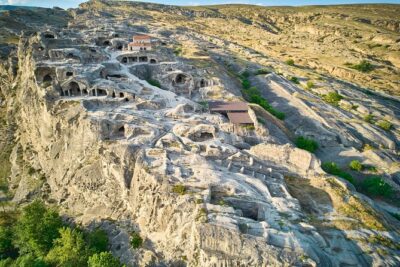
Mtskheta Jvari Bazaar, Chronicles of Georgia & Wine
Read our review →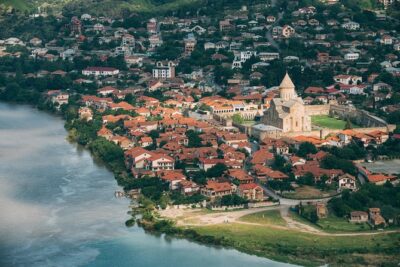
Mtskheta,Jvari,Bazaar,wine tasting,Chronicles of Georgia
Read our review →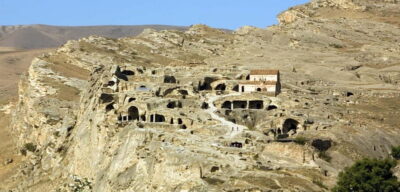
The Chronicles of Georgia, Jvari & Mtskheta Tour
Read our review →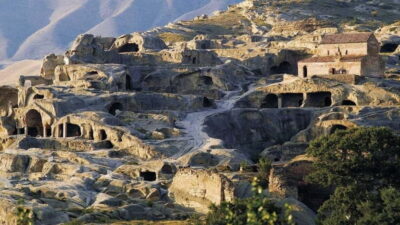
Browse the lists this tour appears in