
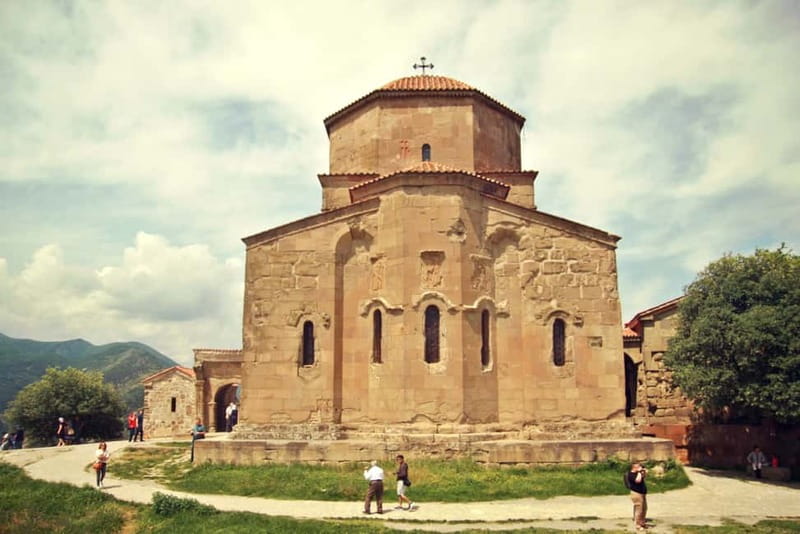
Reviewed · MTSKHETA ANCIENT CAPITAL
From Tbilisi: Mtskheta, Uplistsikhe, Gori Day Trip
This is one of those rare routes where every stop changes the mood, fast. You’ll move from rock-hewn ancient Georgia to the Soviet era, then end with a huge monument overlooking the Tbilisi Sea.
I especially like two things. First, the view and meaning at Jvari Monastery above the merging rivers. Second, the honest, no-nonsense Soviet context in Gori, including Stalin’s bulletproof train carriage and the house where he was born.
One drawback to plan for: churches require the right dress, including a headscarf for women, and Uplistsikhe involves uneven ground and some steps.
Key highlights you should care about
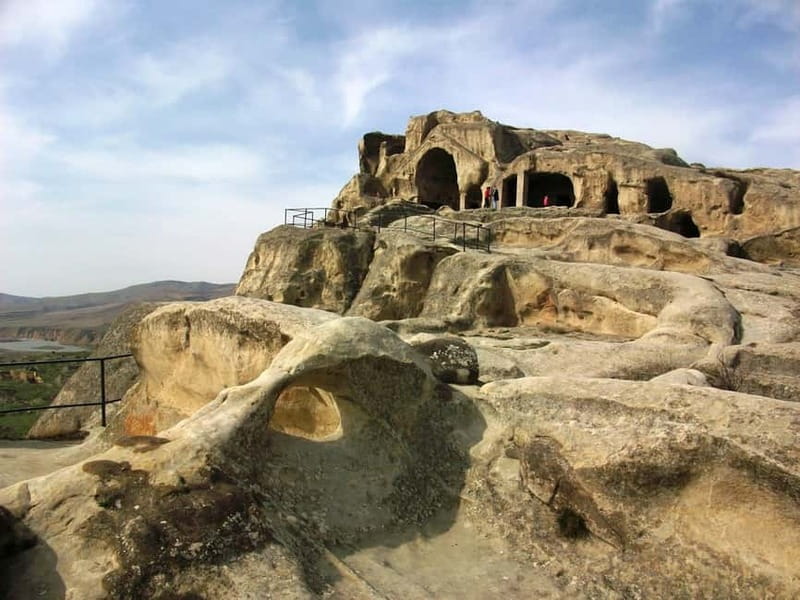
- Uplistsikhe cave city walkways, tunnels, and temples carved straight into rock
- Jvari Monastery viewpoint over the two rivers that meet below
- Svetitskhoveli Cathedral and the story-linked significance you do not get from quick photos
- Gori Soviet stops tied to Stalin, including his bulletproof train carriage
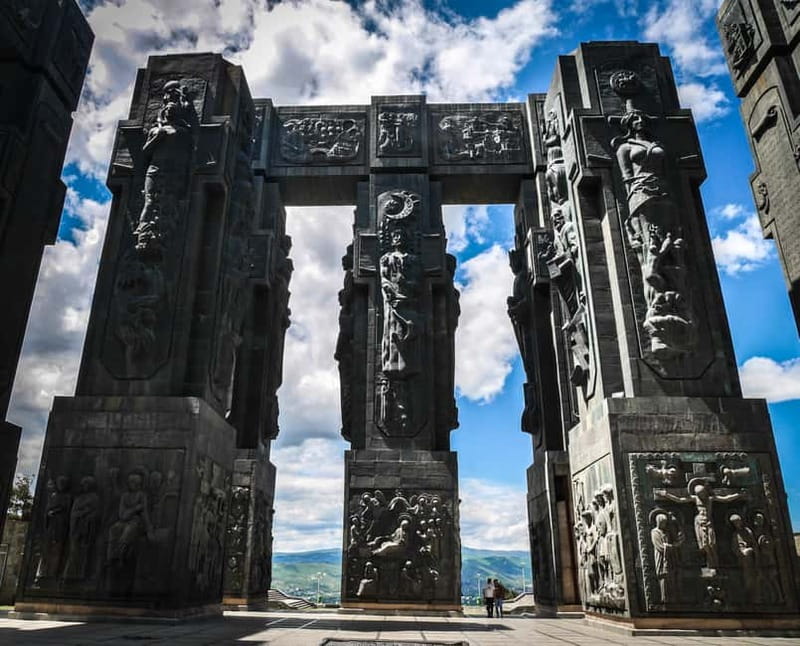
- Chronicle of Georgia monument overlooking the Tbilisi Sea, a stop most standard day trips skip
A 3,000-year story in one private day
This trip is built for context, not just checkboxes. In one long day, you connect the dots between Georgia’s Iron Age world, its medieval spiritual identity, and its 20th century Soviet reality. If you like history with place and explanation, this format makes a lot of sense.
It runs about 8.5 to 11 hours and you do it in a private group with hotel pickup and drop-off from central Tbilisi. That matters because travel time in Georgia can eat the day. Here, the schedule is structured so you still get time at each site instead of racing from one photo spot to the next.
The price is $152 per person. For a private, full-day route with an English-speaking guide and bottled water included, it can be good value, especially if you’re traveling with a friend or partner and want the flexibility to ask questions. You do pay entrance fees separately for Uplistsikhe and Gori’s Stalin museum, which is about €7 per person.
More Day Trips in Tbilisi
- Tbilisi: Day Trip to Kazbegi, Gudauri, Gergeti, and Ananuri
★ 4.9 · 3,203 reviews - Day Trip to Kakheti Wine Region Including 9 Wine Tastings
★ 5.0 · 2,774 reviews - Day Trip to Kazbegi and Gudauri
★ 5.0 · 2,009 reviews
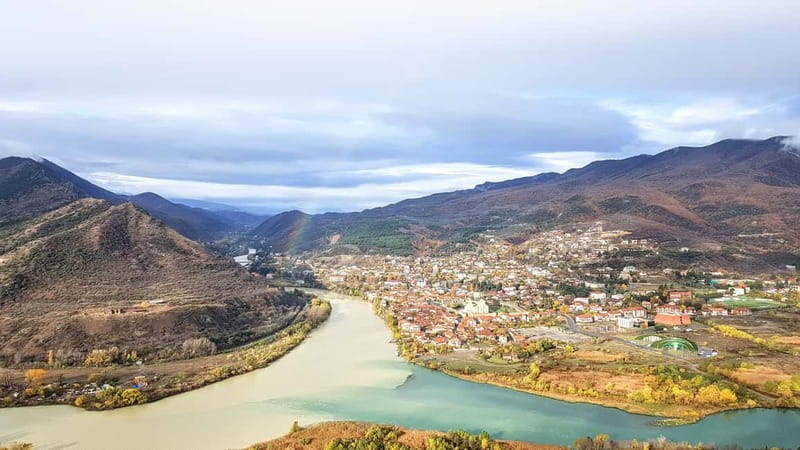
Mtskheta start: Jvari Monastery’s rivers-meeting view
Mtskheta is often described as the spiritual center of the country, and it earns that reputation. You start by looking outward, toward the big landscape of river geography. At Jvari Monastery, you get an iconic viewpoint over the place where two rivers merge.
What I like about this kind of start is that it gives you a frame. Before you walk into churches, you understand why people built sacred sites in dramatic, visible locations. The rivers are not just scenery. They help explain the logic of where communities placed meaning.
Timing here can also shape your experience. If you’re flexible and your guide manages the pace well, this stop can feel calmer than the hectic parts of the day. You’ll have time to take in the view, and more importantly, you’ll be listening for what the guide connects to the wider Georgian timeline.
Svetitskhoveli Cathedral: a sacred site with big legends
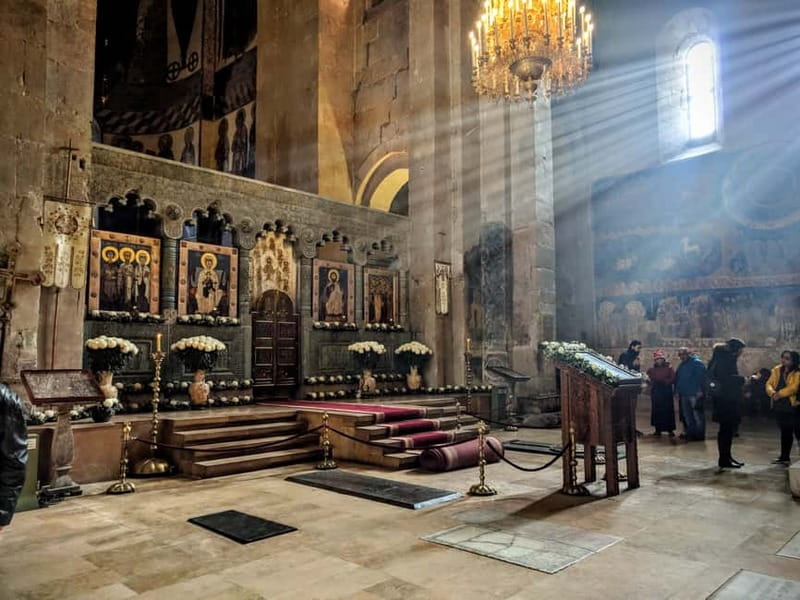
After the river viewpoint, you step into the medieval powerhouse: Svetitskhoveli Cathedral. This is where the day’s spiritual storyline becomes concrete. The cathedral is linked to royal burials and to the legendary robe of Christ, which is the sort of detail that makes the visit feel more layered than a generic church stop.
A practical note: Orthodox churches come with a strict dress code. Women are required to wear a head scarf, and the rules also prohibit shorts and short dresses. Tight leggings are also not considered acceptable. You can borrow a headscarf at the entrance to the church, but I recommend bringing one anyway if you want zero hassle.
One expectation to manage: even sacred sites can feel tourist-focused in certain areas, and some presentations may look like a staged setting. If you come with curiosity and the willingness to ignore distractions, you’ll still get a meaningful experience because the cathedral’s stories are the real draw.
Uplistsikhe cave city: wine cellars, tunnels, and temple corridors
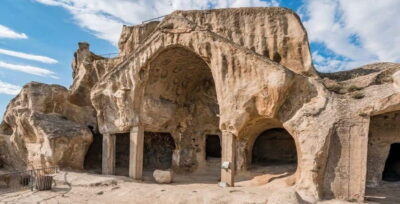
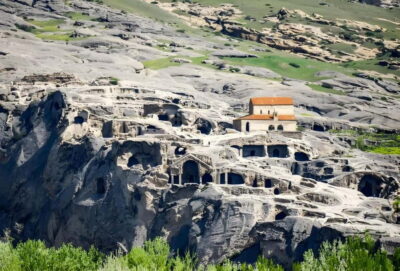
Then comes the dramatic pivot to deep time. Uplistsikhe is a cave city carved into rock, and it is bigger and more complex than most people expect from photos. The ground is uneven, and you climb and walk through spaces that feel carved by human hands into a raw, ancient world.
This is the Iron Age part of the story, and it comes with a special kind of awe. Your guide connects what you’re seeing to how the city functioned as a hub on the Silk Road, including details like wine cellars, tunnels, and rock-cut temples. Instead of treating it like random caverns, you experience it as an organized settlement where daily life, ritual, and trade overlapped.
Practical reality check: wear comfortable shoes with grip. Uplistsikhe includes natural steps and ascents, and the terrain is not flat. High heels are a bad idea. If you have knee or hip issues, the uneven surfaces can feel challenging, so take it slowly.
Also, keep an eye on your limits for walking. It is not suitable for toddlers, and it is not a good match if you need step-free access. Plan your energy because the reward is in the walk itself, not just one viewpoint.
More day trips to Gori:
- Tbilisi: Mtskheta, Jvari, Gori and Uplistsikhe Day Tour
★ 4.9 · 2,396 reviews - Day Trip to Mtskheta Gori and Uplistsikhe
★ 5.0 · 1,801 reviews - From Tbilisi : Mtskheta, Jvari, Gori & Uplistsikhe Day Trip
★ 4.8 · 432 reviews - From Tbilisi: Mtskheta, Jvari, Gori, Uplistsikhe Guided Tour
★ 4.7 · 354 reviews
Gori Soviet sites: Stalin’s bulletproof train and birthplace home
After Uplistsikhe, the emotional tone changes. You go from ancient rock corridors to the heavy symbolism of the Soviet era in Gori, Joseph Stalin’s hometown.
You stand beside Stalin’s massive bulletproof train carriage. It’s an eye-opening object because it’s so physical and so unapologetic. Next you visit the humble house where he was born. That contrast is part of why this section works. You see a life that rose from ordinary beginnings to power so intense it required special protection.
This stop can be intense, and your guide’s role matters. A good local guide helps you look at the era beyond slogans, tying the sites to what people lived with during Soviet rule. You’ll likely want to ask direct questions, and it’s worth doing it. This is the section where context turns curiosity into understanding.
Lunch also fits naturally into Gori. You’ll take a relaxed midday break at a trusted local spot, and lunch is at your own expense. The food suggestion is classic Georgian comfort, such as Gori cutlets or clay-pot beans. If you’ve had your fill of highway stops, this is a chance to eat like the day’s theme is real life, not just monuments.
Chronicle of Georgia: the Soviet Stonehenge feeling by the Tbilisi Sea
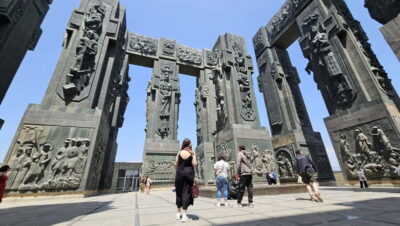
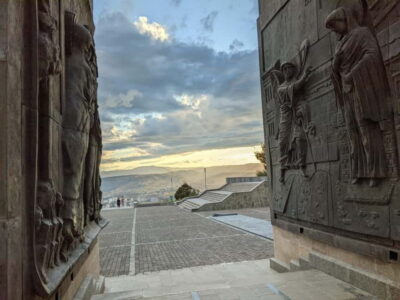
To close the loop, the day ends with the Chronicle of Georgia monument. People sometimes call it Soviet Stonehenge because of its scale and its towering, brutalist presence.
It overlooks the Tbilisi Sea, and that setting is key. The monument works better when you can see the space around it and understand how it dominates the horizon. Most short day trips don’t include it, which is exactly why it feels satisfying here. It’s a big visual argument that Georgia’s 20th century ideas were not small or private.
Your guide usually frames what you’re looking at, connecting how Soviet messaging used monuments and collective storytelling. When you walk away from it after a full day of moving between eras, it can feel like the final page of a novel where every earlier chapter starts making more sense.
Timing, footwear, and dress rules that can actually change your day
This tour is long, and the itinerary is active in the places that matter most. You are mostly sitting in the car, then you’re walking for real at Uplistsikhe and moving through multiple indoor and outdoor segments at the churches and museums.
Here’s what I’d plan around before you even pack:
- Comfortable shoes are non-negotiable. Uplistsikhe has uneven ground and steps.
- Headscarf is a smart bring for church time. You can borrow one at the entrance, but having your own avoids last-minute scrambling.
- Avoid shorts and short dresses. Tight leggings are also not considered acceptable in Orthodox churches.
- If you have mobility impairments, plan carefully. This is not designed for step-free movement, and it is listed as not suitable for people with mobility impairments.
- Bring layers if weather shifts. The guide and cars are part of your comfort plan, but outdoor viewpoints like Jvari and the Chronicle can feel breezy.
Language-wise, you can expect an English-speaking guide, and Russian may be available as well. In a private format, it’s easier to ask follow-up questions when something doesn’t click. If you care about photos, the experience is also more guide-friendly because you can pause for better angles instead of rushing through.
Price and value: what $152 really buys you
Let’s talk money with your brain switched on. At $152 per person, this is not the cheapest way to see these sites. What you’re paying for is structure and explanation across a tight geography.
You get:
- Hotel pickup and drop-off in Tbilisi
- A live English-speaking guide
- Bottled water
- A private group format that keeps the day from turning into a herd situation
- A route that covers a huge time span, including Iron Age, medieval Christian heritage, and Soviet history
You pay separately for entrances to Uplistsikhe cave town and the Gori Stalin museum, about €7 per person, and you pay for meals. Lunch is at your own expense in Gori, but that’s also part of the value, because it allows you to eat what you actually want and not whatever a generic group menu forces on you.
If you’re the type who likes “why this matters” as much as “what it looks like,” this price can feel fair. If you only want quick sightseeing with minimal walking and no historical context, you might feel it’s more than you need. But if you want the dots connected, this is exactly the kind of day trip that makes sense.
Should you book this Tbilisi Mtskheta Uplistsikhe Gori day trip?
I’d book it if you want a single-day route that explains Georgia’s shifts in power, faith, and identity. The mix of Uplistsikhe rock city, Svetitskhoveli cathedral, Stalin-era Gori sites, and the Chronicle of Georgia monument gives you variety without losing the thread.
Skip it or at least rethink it if you have mobility concerns. Uplistsikhe’s uneven surfaces and steps can be hard, and the tour is not designed for wheelchairs or limited walking. Also, if you do not want to follow church dress rules, this day can feel more annoying than enlightening.
If you’re okay with a long day and you bring sensible shoes and a headscarf, you’ll likely find this is one of the better ways to see more than just the highlights.
FAQ
How long is the day trip from Tbilisi?
The duration is about 8.5 to 11 hours.
Is hotel pickup and drop-off included?
Yes, pickup and drop-off are included from your hotel or holiday apartment in Tbilisi.
What’s included in the price?
The tour includes an English-speaking guide, bottled water, and hotel pickup and drop-off.
Are entrance fees included for the sites?
No. Entrance fees for Uplistsikhe cave town and Gori’s Stalin museum are not included, and they are about €7 per person.
Is lunch included?
Meals are not included. Lunch in Gori is at your own expense at a local spot.
What should I wear for the churches?
Orthodox churches require no shorts and women must wear a head scarf. A headscarf can be borrowed at the entrance. Tight leggings are also not allowed.
What languages is the guide available in?
The live guide is available in English and Russian.
Is the tour suitable for small children or mobility impairments?
It is not suitable for children under 4 years and it is not suitable for people with mobility impairments.
More Mtskheta Tours from Tbilisi
- Tbilisi: Mtskheta Jvari Bazaar, Chronicles of Georgia & Wine
★ 5.0 · 1,088 reviews - Tbilisi:Mtskheta,Jvari,Bazaar,wine tasting,Chronicles of Georgia
★ 5.0 · 730 reviews - Tbilisi: The Chronicles of Georgia, Jvari & Mtskheta Tour
★ 5.0 · 307 reviews - Mtskheta-Jvari-Uplistsike-Chronicle of Georgia, PRIVATE Trip
★ 5.0 · 105 reviews
More Uplistsikhe Cave Town Visits
- From Tbilisi: Mtskheta, Jvari, Gori & Uplistsikhe Cave Tour
★ 4.7 · 296 reviews - From Tbilisi: Mtskheta, Jvari, Gori & Uplistsikhe Day Trip
★ 4.8 · 153 reviews - Mtskheta-Gori-Uplistsikhe
★ 5.0 · 112 reviews - Mtskheta, Jvari, gori, uflistsikhe, history and panorama (group tours)
★ 4.5 · 107 reviews
Recently reviewed around Tbilisi
- Tbilisi City Tour★ 4.5 · 3 reviews
- Tbilisi City Tour with Street Photography★ 5.0 · 3 reviews
- Tbilisi City, Jvari Monastery, Uplistsikhe caves, Mtskheta city Private Day Trip★ 4.5 · 3 reviews
- Private Trip to Tbilisi and Mtskheta – Cultural Capitals★ 5.0 · 3 reviews
- Wild Georgia 4WD PACK Adventure through Kakheti and Kazbegi 2in1★ 5.0 · 3 reviews
- Tbilisi Airport to Gudauri, Bakuriani, Batumi, Tbilisi★ 5.0 · 3 reviews
- Private Adorable City Tour of Tbilisi★ 5.0 · 3 reviews
- Tbilisi and Mtskheta cities private, cultural tour★ 5.0 · 3 reviews
Mtskheta Ancient Capital, compared.
Mtskheta, Jvari, Gori and Uplistsikhe Day Tour
Read our review →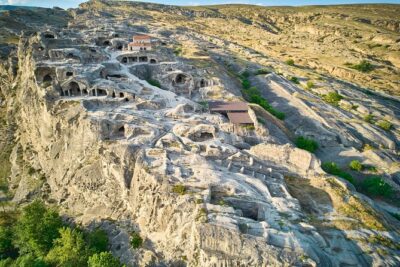
Mtskheta Jvari Bazaar, Chronicles of Georgia & Wine
Read our review →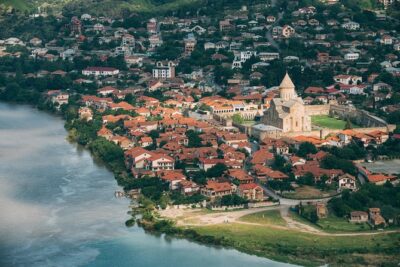
Mtskheta,Jvari,Bazaar,wine tasting,Chronicles of Georgia
Read our review →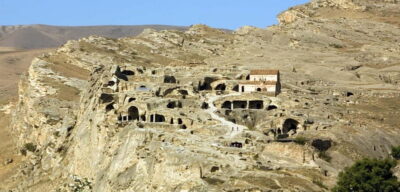
The Chronicles of Georgia, Jvari & Mtskheta Tour
Read our review →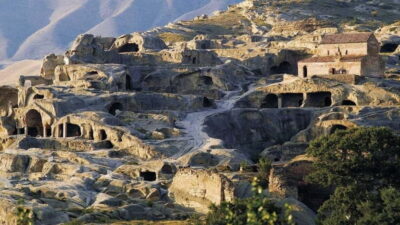
Browse the lists this tour appears in