
Reviewed · UPLISTSIKHE CAVE TOWN
From Tbilisi: Gori and Uplistsikhe Group Tour
This Gori and Uplistsikhe group tour strings together three very different Georgia stories in one long day: hilltop early Christian views, ancient rock-cut living at Uplistsikhe, and Soviet-era memory in Gori. It is a lot to fit in, but that is also why it works.
What I like most is the pairing of UNESCO stops in Mtskheta, plus the chance to walk through Uplistsikhe’s cave town before you head to Gori. The other big win is that you get a bilingual guide in a small Mercedes Sprinter, so questions are easy and the day keeps moving.
The one drawback to keep in mind is timing and logistics. If there is a city event, pick-up and routing can shift, and you may start a bit late or have changes to the order depending on how the operator handles it.
Key highlights you will feel immediately
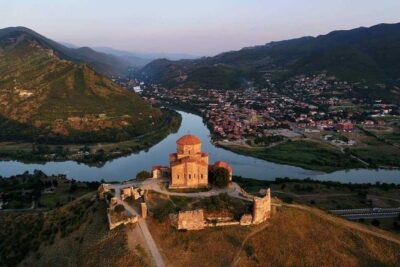
- Jvari Monastery views from a hill above the Aragvi and Mtkvari river confluence
- Svetitskhoveli Cathedral UNESCO stop with frescoes and intricate carvings
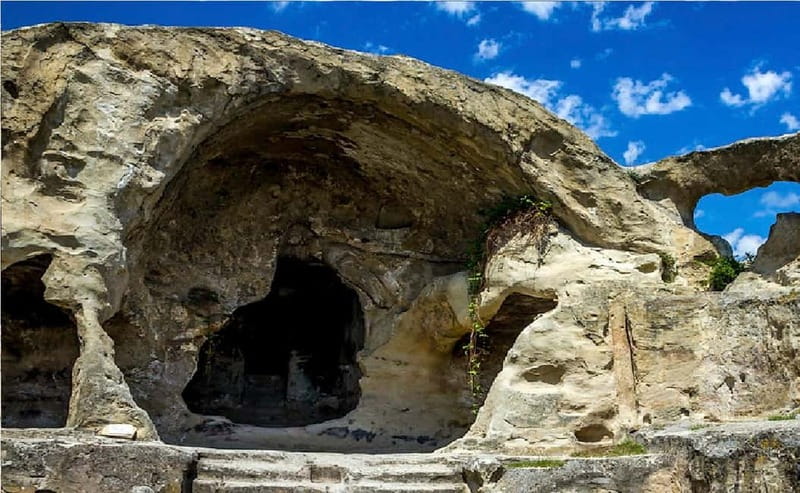
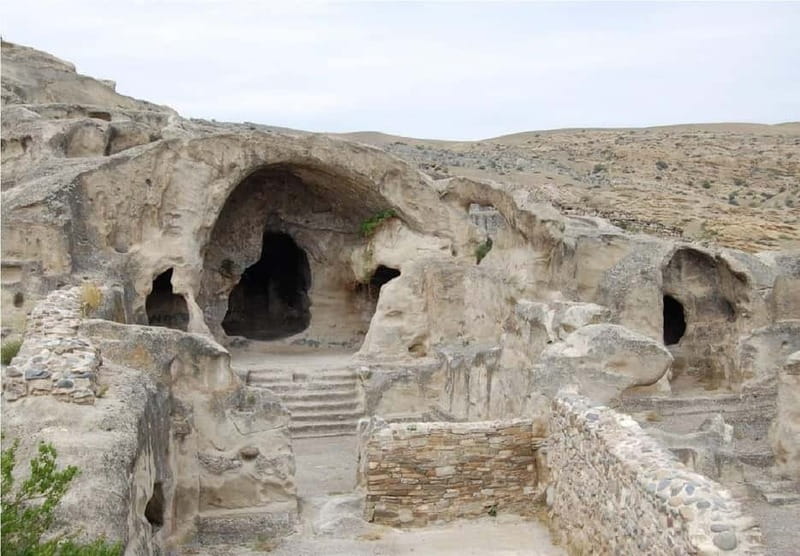
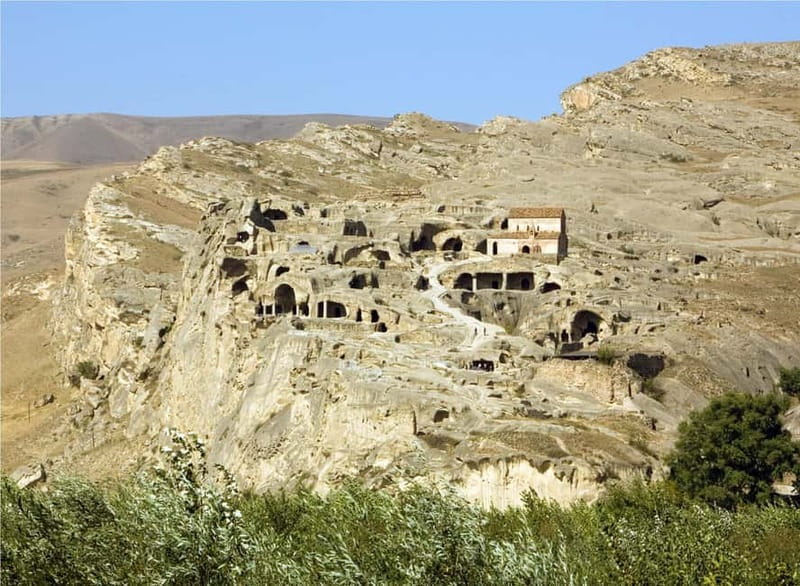
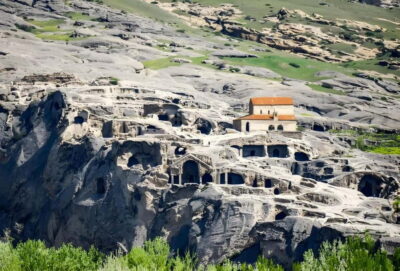
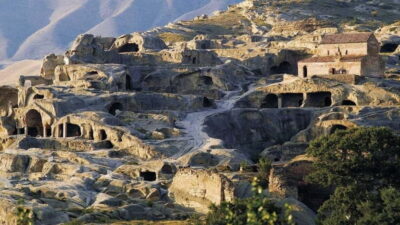
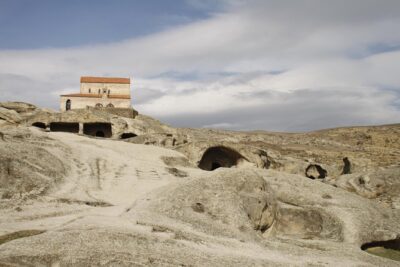
- Uplistsikhe Cave Town rock-cut rooms, streets, temples, and dwellings
- Gori Castle looming over the skyline with medieval context
- Stalin Museum focus on artifacts, personal items, and exhibits tied to his life and influence
- Friendly, flexible guides who can adjust how long you spend on key stops (ask on the day)
A day built for big contrasts: Mtskheta, Uplistsikhe, then Stalin in Gori
This is an 8-hour group tour based out of Tbilisi, designed for people who want more than one “main site” without hopping trains or figuring out transfers. You start in Tbilisi at Vakhtang Gorgasali Square, then the day moves out into Shida Kartli, Georgia, with a comfortable drive and steady stops.
The itinerary hits three time periods, back to back. First you see Georgia’s early Christian story in Mtskheta at Jvari and Svetitskhoveli. Then you step into a much older world at Uplistsikhe, an ancient rock-hewn settlement reaching back to the early Iron Age. Finally, you pivot hard into the 20th century at Gori, Joseph Stalin’s birthplace, where the museum and castle frame the Soviet narrative in local stone and museum rooms.
That contrast is the point. If you like history, you will enjoy how the guide ties together why these places matter, without turning it into a lecture.
More day trips to Gori:
- From Kutaisi: Gori and Uplistsikhe Cave town Guided Tour
★ 5.0 · 4 reviews
Getting there: Mercedes Sprinter, small group pace, and a long but doable day
You will meet the group at 9:00 AM at Vakhtang Gorgasali Square, at the big banner that reads I LOVE TBILISI, in front of the restaurant Machakhela. The tour uses a Mercedes Sprinter that can accommodate up to 17 people, which keeps it more personal than a huge coach.
The pace is efficient but not rushed in the usual “point and sprint” way. You will have guided walking time at multiple stops, including two stretches of real wandering at Uplistsikhe and in the museum. This is also why shoe choice matters. The tour is described as having a moderate amount of walking, so I recommend you treat it like a half-day hike, not a quick sightseeing loop.
Also, this is one of those tours where you will want your basic comfort items ready. Bring water, a hat, sunscreen, and a camera. Eating plans matter too, because meals are not included.
Start in Mtskheta at Jvari Monastery for the confluence views
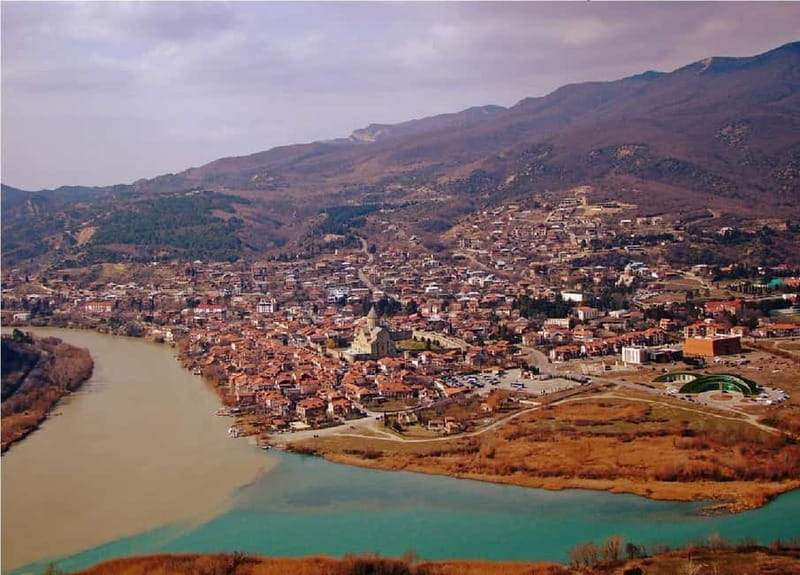
Your first stop is Jvari Monastery around 9:30 AM. It sits on a hill above where the Aragvi and Mtkvari rivers meet. Even if you are not a “religious architecture” person, you will get why this site matters quickly, because the setting itself does a lot of the talking.
The tour focuses on the 6th-century UNESCO World Heritage context, plus the perspective you get from the hilltop. You will do guided time at the monastery and then have enough time to look around and take photos. Expect a proper sightseeing viewpoint moment here, not just a quick photo.
Practical tip: go slow with your breathing and footing on any uneven ground around viewpoints. The monument is old, the paths can be uneven, and the best photos usually take a few minutes of standing still in the sun.
Svetitskhoveli Cathedral: UNESCO architecture, frescoes, and carved details
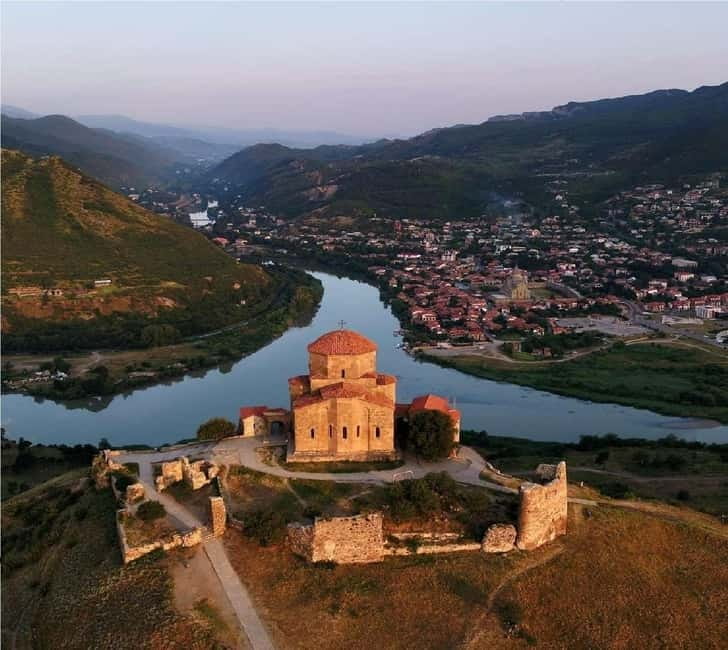
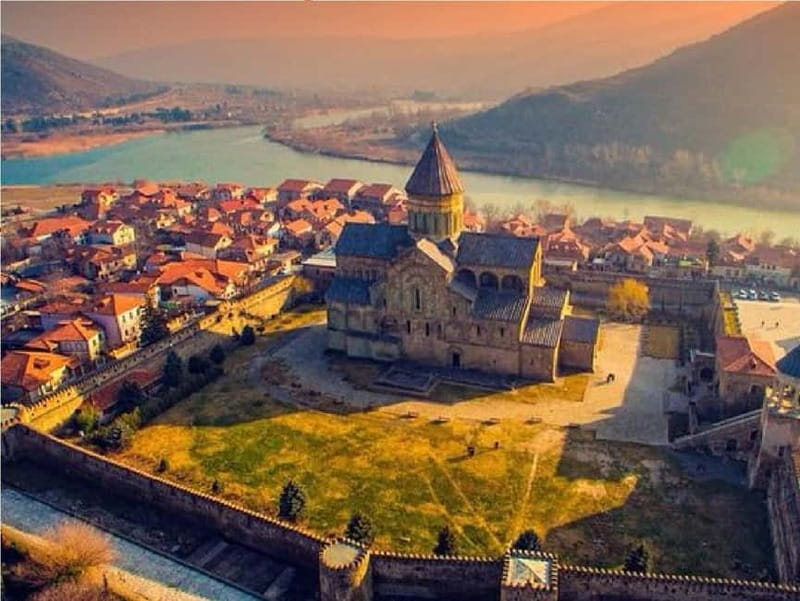
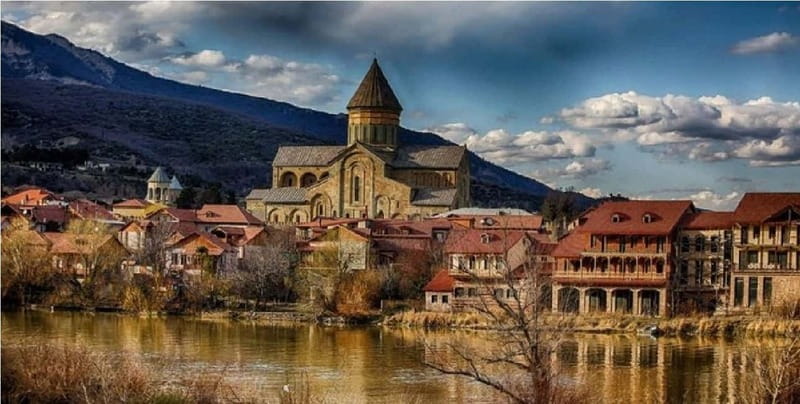
Next you head to Svetitskhoveli Cathedral in Mtskheta around 10:00 AM. This is another UNESCO World Heritage site, and it is known for both spiritual significance and striking design. The best part of this stop is that the guide will help you notice the frescoes and intricate carvings, which you might otherwise gloss over as you look for the biggest photo angles.
Svetitskhoveli is a great place for visitors who like details. The carvings are where the visual story lives, and if your eyes get tired, the guide’s explanations can bring your focus back fast.
How long you have here is about right for first-time visitors. You get guided time and photo time without the feeling that you must rush to “finish” the cathedral. Still, plan for a bit of standing, looking up, and walking slowly between viewing spots.
Uplistsikhe Cave Town: early Iron Age living carved into sandstone
Around noon, you shift from cathedral stones to cave-cut streets. Uplistsikhe is an ancient rock-hewn town dating back to the early Iron Age, and it is the stop many people remember most from the whole day.
You will explore the cave town with guided time and walking time of about two hours. That is enough time to wander through the labyrinth-like feeling of carved spaces, temples, and dwellings built into sandstone. This is not a single hallway attraction. It is a whole set of ruins you can move through at your own pace within the group.
What to watch for as you walk: the way the town is organized around the rock itself. In many cave towns, it is easy to get lost in the idea of caves. At Uplistsikhe, it helps to think in terms of streets, rooms, and public spaces carved into the hillside. That mental shift makes your photos better too.
Also, do not ignore comfort. Bring water, wear closed-toe shoes, and expect uneven surfaces and stairs in a place built long before anyone worried about modern footwear.
One more tip from real tour behavior: some guides can be flexible if you want extra time at Uplistsikhe. On one tour, Stefano was patient and let a visitor stay longer since they did not want lunch. If you love this stop, you can ask your guide on the day whether you can extend a little within the schedule.
Gori city tour: start with the birthplace of Stalin, then go stone by stone
After Uplistsikhe, you head to Gori around 3:00 PM. The tone changes. You go from ancient carved time into a Georgian town where the 20th century still shapes what visitors think about first.
You get a city tour with guided time, plus a photo stop. The focus includes Gori’s role in regional history and culture, and it is tied directly to Joseph Stalin, who was born here.
If you want to understand the places in front of you, this city tour works as your “orientation chapter.” It gives you labels for what you are about to see next, so the castle and museum do not feel like random stops.
Gori Castle: medieval power above the town
Around 4:00 PM you reach Gori Castle. It dominates the skyline, and that is exactly why it is worth visiting. Even before you learn the details, you can feel what it meant to have a fortress that could watch the region.
The tour explains the castle’s medieval history, architectural features, and strategic significance. This is a useful pairing with the Stalin Museum next, because you will see two different kinds of power: medieval defense and Soviet-era symbolism.
Photo tip: give yourself a little time to find angles where the castle and the town layout both make sense. Even if you do not have the perfect view from one spot, the castle’s position helps you build a good sense of geography fast.
Stalin Museum: artifacts and personal items, not just slogans
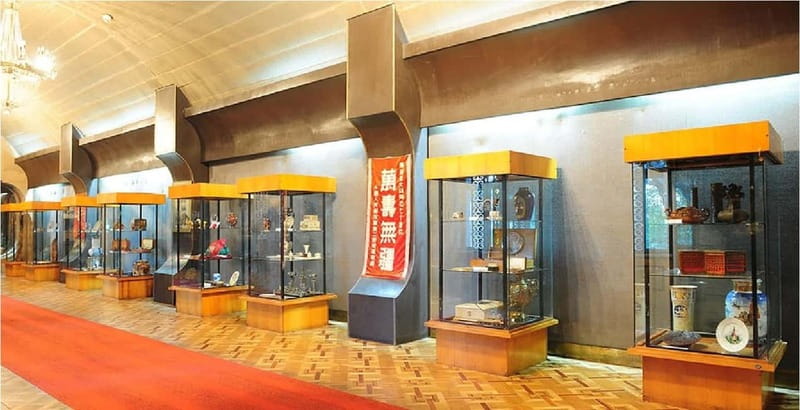
At about 4:30 PM, you visit the Stalin Museum in Gori. The museum is dedicated to Joseph Stalin’s life and legacy, and the focus is practical and object-based: you will see artifacts, personal belongings, and exhibits related to his life and influence.
This stop can go two ways depending on your interests. If you like 20th-century history and propaganda culture, you will appreciate the structured way museums present information through objects and documented items. If you prefer lighter historical travel, you might find it more emotionally intense than the ruins earlier in the day.
Either way, it is a strong counterweight to the centuries-old sites earlier. It reminds you that Georgia’s history did not stop at monasteries, and it gives you a specific place to attach the larger Soviet story to a physical location.
In one on-day example, Levan handled the tour well and made adjustments to the itinerary when there was confusion around sequencing. If anything feels off in the moment, a good guide can get you back on track without making the day feel stressful.
Timing and walking reality: how to plan your energy for 8 hours
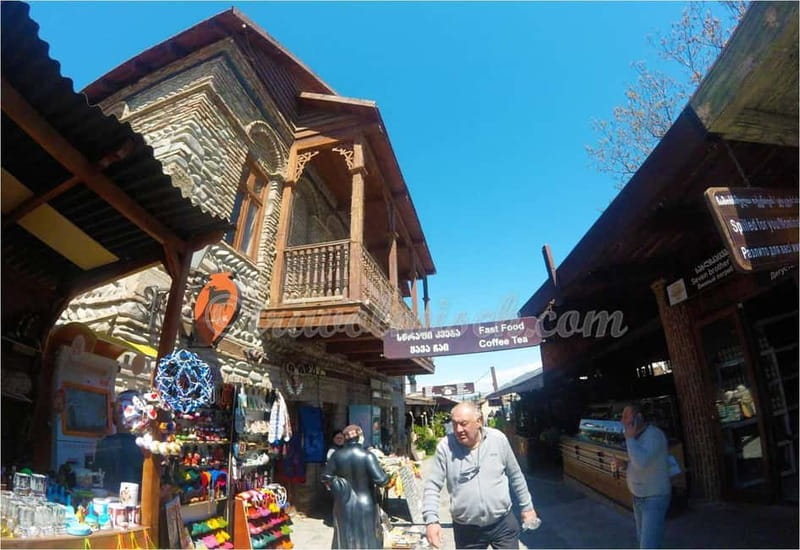
The day is structured to move efficiently: Mtskheta early, Uplistsikhe midday, Gori in the afternoon, and then a return to Tbilisi by around 7:00 PM.
Walking time is not uniform. You will have shorter stretches at some stops, but two hours at Uplistsikhe is the big commitment. Add museum walking time and a cathedral visit, and you are basically on your feet for most of the day.
My practical advice:
- Wear shoes you trust for long standing and uneven ground.
- Bring water and sip regularly. It is easy to underestimate how fast you get thirsty when you are moving between sites.
- Bring a hat and sunscreen. This is a sun-dependent plan on many days, since viewpoints and stone exteriors are outside.
Also note the rules of the tour. Smoking is not allowed, and consuming food and drinks is restricted during the tour. Meals are not included. That means you should not count on stopping for lunch as part of the itinerary, and you should plan your day accordingly.
Price and value: why $22 can be a bargain, plus what to budget extra
At $22 per person for an 8-hour day with transportation and a bilingual guide, this tour can be excellent value if you want structure. You are paying for a lot of guided time, multiple stops, and a car that handles the driving.
Where the value equation shifts is the cost you carry yourself:
- Meals are not included.
- Entrance fees are not included.
So, while the base price looks low, plan on spending extra for ticketed sites and any meal you choose to buy separately. I also recommend you budget for snacks or water you purchase outside the tour rules, since the tour restricts eating and drinking during the trip.
The value also depends on the day’s flow. If there is a marathon or other city event, you might see delays or pickup changes. One traveler described pick-up confusion and a schedule shift due to a marathon, which made the day start late. That is not guaranteed, but it is a reminder to show up early and keep your expectations flexible.
Guide quality matters, and the good ones make the whole day better
A tour like this runs on the guide. You are seeing four big sites plus two UNESCO stops, so someone needs to connect the dots and keep you moving at the right speed.
The strongest praise in the day’s stories centers on guide personality and adaptability. Stefano was described as patient and knowledgeable and willing to adjust timing so a visitor could spend longer at Uplistsikhe. David was praised for arranging another driver when there was a problem with the van situation, keeping the day moving. Levan was highlighted for good guiding and for adjusting when the order of stops changed due to a misunderstanding.
On the flip side, there are also moments where communication could be better. One account mentioned confusion about pickup order and a lack of participant updates when a marathon affected timing. That is the kind of thing that turns a good day into a stressful one.
My advice: when you meet at 9:00 AM, confirm the plan with the guide right away. If you are unsure, ask. If you think you may be late, communicate early. Small checks prevent big stress.
Food choices and restaurant reality in Gori
The itinerary has you in Gori at a time when you might want to eat on your own, since meals are not included. One piece of advice from a real experience is to be cautious with at least one restaurant named Terrace Gori, where the recommendation was to stay away.
I would treat this as a simple rule: if you are hungry, check where you are going using current online reviews, and choose somewhere with solid recent feedback. Also, since the tour restricts consuming food and drinks during the day, you may need to eat outside the strict tour moments.
Who this tour fits best, and who should pick something else
This tour is a good match if:
- You want a packed, guided day that covers Mtskheta, Uplistsikhe, and Gori.
- You like comparing time periods, from 6th-century UNESCO sites to Iron Age rock-cut living to the Stalin Museum.
- You enjoy walking and can handle moderate walking.
It is not a fit for:
- Children under 6 years
- Pregnant women
- Wheelchair users
One tricky data point: the activity is listed as wheelchair accessible, but the fine print says it is not suitable for wheelchair users. If that matters for you, confirm directly with the operator before you book.
Should you book the Gori and Uplistsikhe group tour?
Book it if you want a structured day that hits big UNESCO names, plus a real sense of ancient daily life at Uplistsikhe, and then ends with a sharply focused Soviet-era stop in Gori. At $22, it can be a smart value when you factor in transport and bilingual guiding.
I would not book if you hate long days on your feet, dislike emotionally heavy museum themes, or want guaranteed punctuality no matter what the city is doing. Also, bring your patience. When schedules get shifted by city events, the best tours are the ones with guides who adjust calmly and communicate. Your job is to show up early at the meeting banner, stay hydrated, and ask questions fast if anything feels unclear.
If you do those things, you will come away with a surprisingly complete picture of Georgia in one day.
FAQ
What is the duration of the Gori and Uplistsikhe group tour?
It lasts about 8 hours.
How much does the tour cost?
The price is $22 per person.
Where does the tour meet in Tbilisi?
Meet at Vakhtang Gorgasali Square, in front of the restaurant Machakhela, at the big banner that says I LOVE TBILISI.
What is included in the price?
Transportation in a Mercedes Sprinter, a bilingual guide (English/Russian), and guided visits/exploration of Jvari Monastery, Svetitskhoveli Cathedral, Uplistsikhe Cave Town, plus the Gori city tour including Gori Castle and the Stalin Museum.
What is not included?
Meals and entrance fees are not included.
Are there any food or smoking rules?
Smoking is not allowed, and consuming food and drinks is restricted during the tour.
What should I bring?
Bring comfortable shoes, a hat, sunscreen, a camera, and water.
How much walking is involved?
There is a moderate amount of walking, including guided walking time at Uplistsikhe (around 2 hours) and at the Stalin Museum (around 1 hour), plus walking at Jvari Monastery (around 45 minutes).
Who is the tour not suitable for?
The tour is not suitable for children under 6 years, pregnant women, or wheelchair users.
More Uplistsikhe Cave Town Visits
- Tbilisi: Mtskheta, Jvari, Gori and Uplistsikhe Day Tour
★ 4.9 · 2,396 reviews - Day Trip to Mtskheta Gori and Uplistsikhe
★ 5.0 · 1,801 reviews - From Tbilisi : Mtskheta, Jvari, Gori & Uplistsikhe Day Trip
★ 4.8 · 432 reviews - From Tbilisi: Mtskheta, Jvari, Gori, Uplistsikhe Guided Tour
★ 4.7 · 354 reviews
Recently reviewed around Gori
- From Kutaisi: Gori and Uplistsikhe Cave town Guided Tour★ 5.0 · 4 reviews
Uplistsikhe Cave Town, compared.
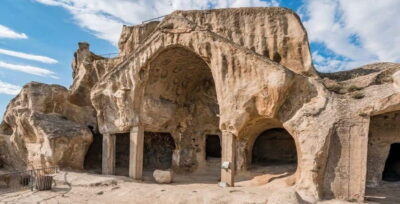
Mtskheta, Jvari, Gori and Uplistsikhe Day Tour
Read our review →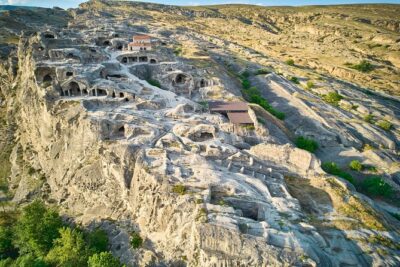
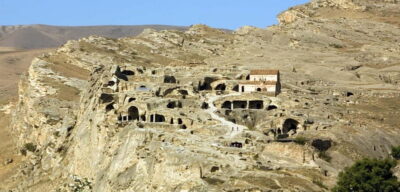
Mtskheta, Jvari, gori, uflistsikhe, history and panorama (group tours)
Read our review →Browse the lists this tour appears in