
Reviewed · BORJOMI TOURS
From Tbilisi: Borjomi, Rabati, and Vardzia Guided Day Trip
Tbilisi to Borjomi, Rabati, and Vardzia is one of those rare routes where Georgia’s story hits you in layers, from everyday mineral-water culture to church frescoes and a stone fortress built for defense. You’ll see why people here treat water, faith, and power as part of the same conversation.
I especially like the guided storytelling. When your guide knows the characters behind the places, stops turn into scenes, not checkboxes. I also love the mix of sights in one day, from mineral water sources named after Ekaterina and Evgeniy Golovin to the rock-cut rooms at Vardzia.
One drawback to plan for: this is a long day, and Vardzia means real walking with steps. In winter it can also feel very cold, so bring warm layers and good shoes with grip.
Quick hits before you go
- Mineral water lore: You’ll visit the sources named after Ekaterina and Evgeniy Golovin, tied to local legend and national identity.
- Persian-Georgia connections: Mirza Riza-Khan’s summer residence shows how styles and politics crossed borders.
- Myth stops that make sense: The Amirani monument to the Georgian Prometheus puts folklore on a physical landmark.
- Vardzia is stairs and stone: Great views, but expect steep paths and lots of steps.
- Rabati Fortress reads like a map: Defensive engineering plus later cultural life, all in one site.
Why This Borjomi, Vardzia, Rabati Route Feels Like a Georgia Timeline
This trip is interesting because it moves through different kinds of Georgia, not just different locations. You start with something practical, mineral water, then shift to diplomacy and cultural exchange, then land in faith and myth, and end with medieval defense and city life.
What makes it work is the way each stop answers a different question. Why did water matter? How did outside empires shape local culture? How did Georgian rulers see themselves? And how did a fortress protect a community while also becoming a hub?
If you like history that has characters, this is your style. Guides on this route, including Jimmy and George XIII, have a way of keeping the energy up while explaining the big picture without drowning you in dates.
More Day Trips in Tbilisi
- Tbilisi: Day Trip to Kazbegi, Gudauri, Gergeti, and Ananuri
★ 4.9 · 3,203 reviews - Day Trip to Kakheti Wine Region Including 9 Wine Tastings
★ 5.0 · 2,774 reviews - Day Trip to Kazbegi and Gudauri
★ 5.0 · 2,009 reviews
Meeting Up in Tbilisi and the Mercedes Sprinter Schedule Reality
You meet in front of the I Love Tbilisi sign, then roll out by Mercedes Sprinter minibus with a live guide. The total time on the clock is listed as 13 hours, but you should build in buffer. On a winter run, the day ended around 10:30 pm, so dinner plans should be flexible.
The driving time between areas matters because it shapes when you’ll actually get the best light and the least crowded viewing. The day includes about 3 hours from Tbilisi to Borjomi, then roughly 1 hour Borjomi to Vardzia, and about 1.5 hours Vardzia to Rabati before heading back.
One small practical thing: I’d plan your food around the stops. Eating on the minibus was not allowed on one recent run, so keep snacks in your day bag for breaks rather than expecting to munch while rolling.
Borjomi Mineral Water Sources, Ekaterina and Evgeniy Golovin, and Why People Care
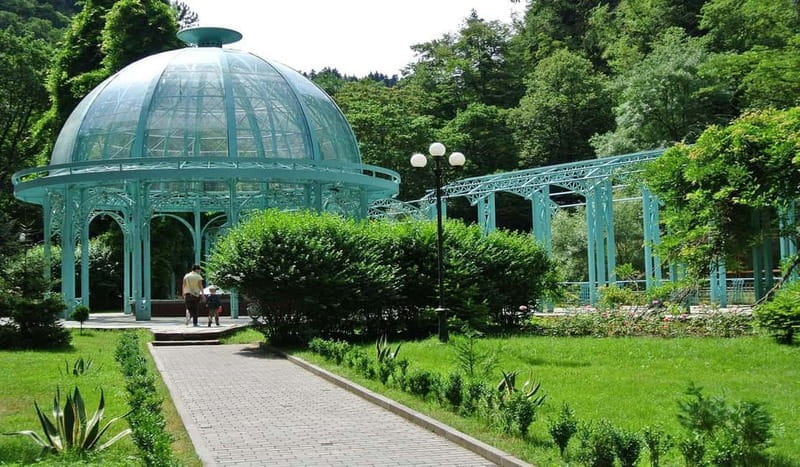
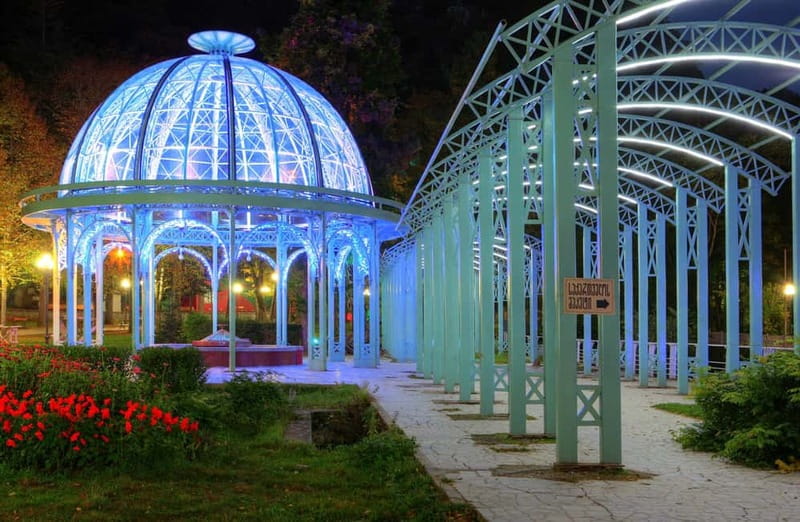
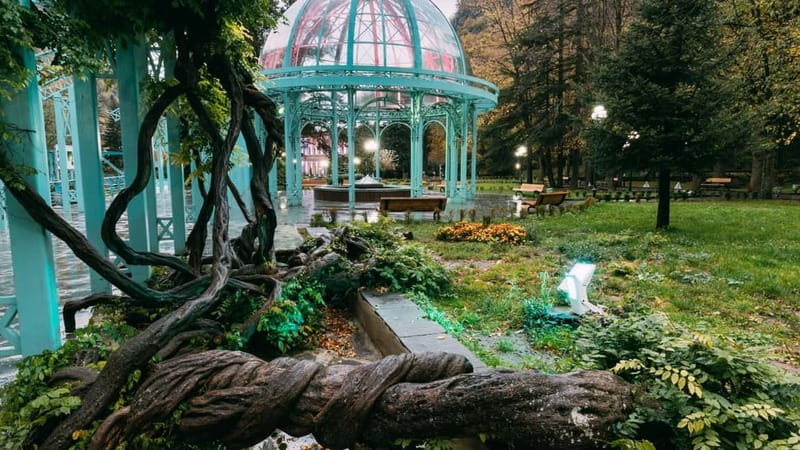
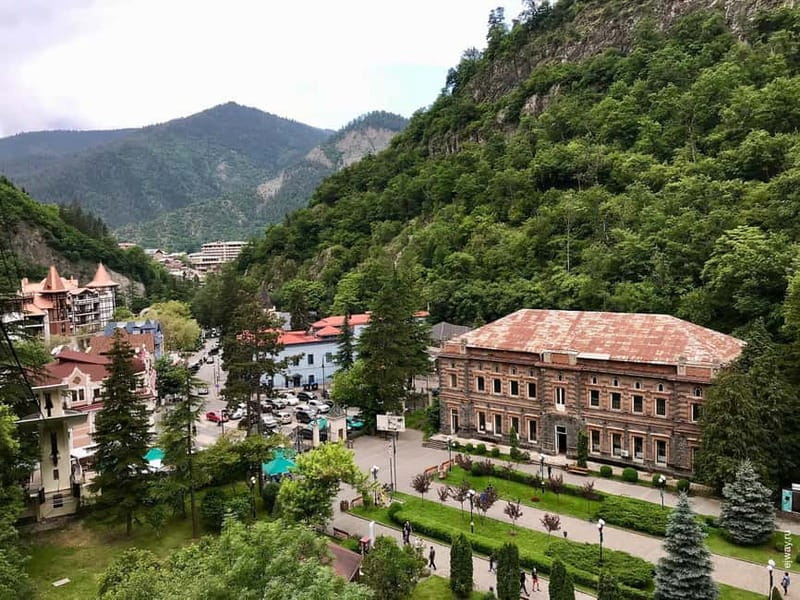
Borjomi is more than a pretty name on a map. It’s a place where mineral water culture is part of daily life and national storytelling. On this tour, you start by heading to the mineral water sources named after Ekaterina and Evgeniy Golovin.
This is a good first stop because it sets the tone early: Georgia does not treat its natural features as background. Water here is tied to history, identity, and belief. Even if you’re only tasting water, the guide’s explanation makes you notice how legends and everyday habits can move together.
You also get some time for sightseeing and shopping in the Borjomi area. That’s useful because Borjomi isn’t only about the water point. If you want souvenirs, small snacks, or a quick reset after the drive, this break helps.
Costs to know: the entrance fee for Borjomi National Park is 5 lari per person, and it’s not included in the tour price. So keep some cash or a payment method ready.
Mirza Riza-Khan’s Summer Residence and the Persian-Style Thread in Georgian Life
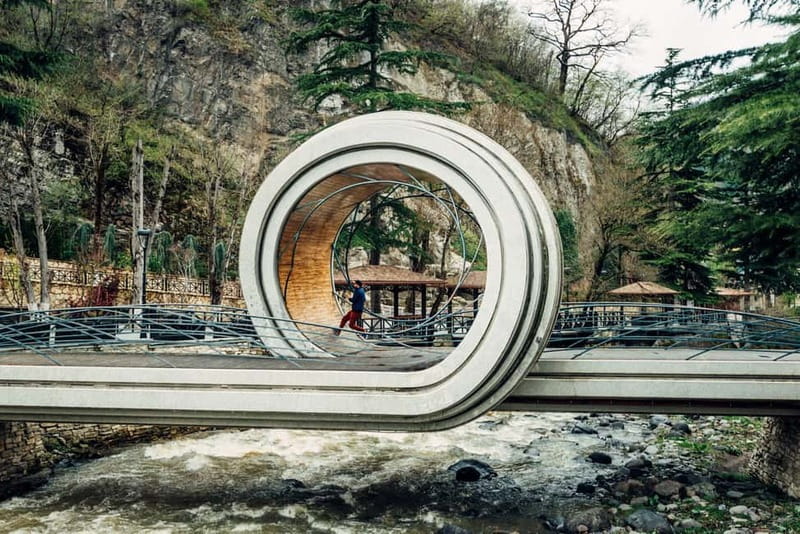
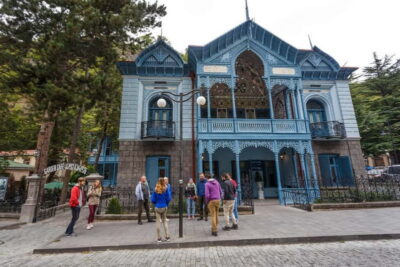
Next up is Mirza Riza-Khan’s summer residence. This stop is your bridge between nature and culture, and it’s one of the best places on the route to understand how Georgia sat at the crossroads of larger empires.
The guide talks about diplomacy and cultural exchange, including Georgia’s connections with Persia and the Russian Empire. You’ll also see examples of Persian architecture blended into the local setting, which is the whole point of this residence as a historical object, not just a pretty building.
Why it matters for your day: it gives context. When you later see churches and fortifications, you’ll understand that Georgia’s leaders and elites were constantly negotiating status, style, and influence. This stop turns the rest of the itinerary into a connected story instead of separate scenes.
More Rabati Castle trips:
- Tbilisi: Borjomi, Rabati & Vardzia Adventure Guided Tour
★ 4.9 · 817 reviews - Vardzia, Rabati, and Borjomi Ancient Georgia Group Tour
★ 4.5 · 74 reviews - Full Day Private Tour in Vardzia, Rabati and Borjomi with Guide
★ 5.0 · 25 reviews - Vardzia. Lake Paravani, Khertvisi & Lomisa castle, Rabati
★ 4.5 · 12 reviews
Amirani and the Georgian Prometheus Moment
Then comes myth, at a monument to Georgian Prometheus, known as Amirani. This part is short compared to Vardzia or Rabati, but it can be a highlight if you enjoy folklore and symbolism.
The guide frames Amirani as part of Georgia’s world of legends. I like this sort of stop because it reminds you that places are often built around stories people wanted to carry into the future.
It also gives you a breathing moment. After the driving and the emotional weight of religious sites, the Amirani stop feels more open and reflective. It’s a good chance to take photos and reset your brain before Vardzia.
Vardzia Monastic Complex: Rock-Cut Rooms, Queen Tamar Frescoes, and the Stair Test
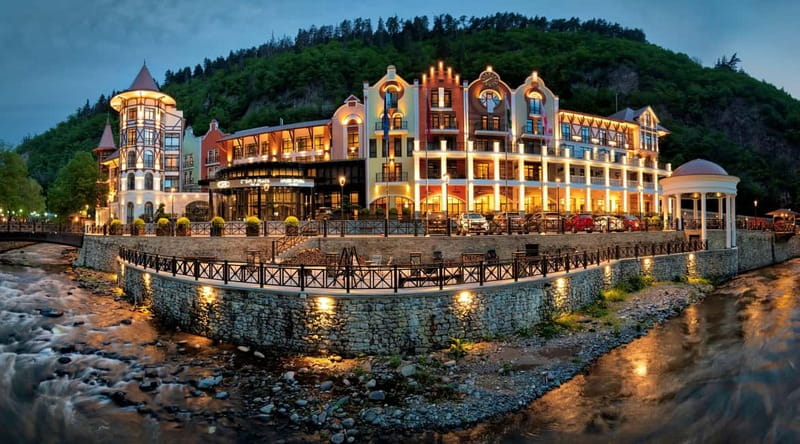
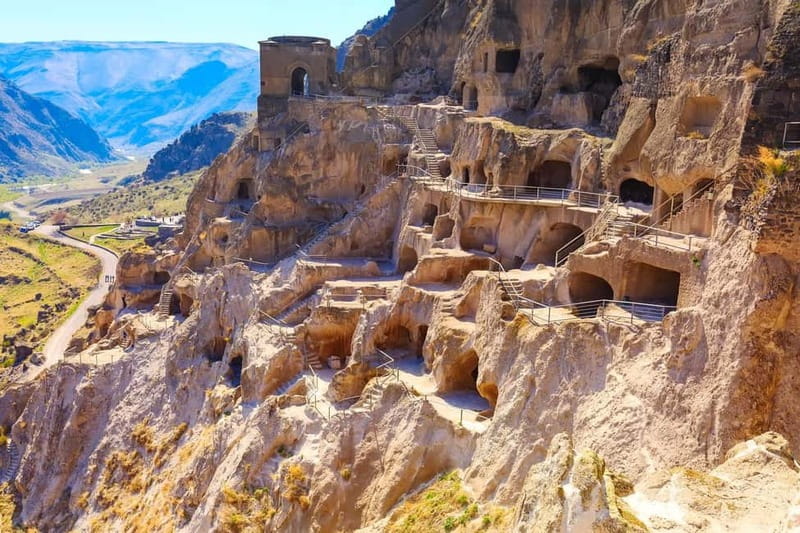
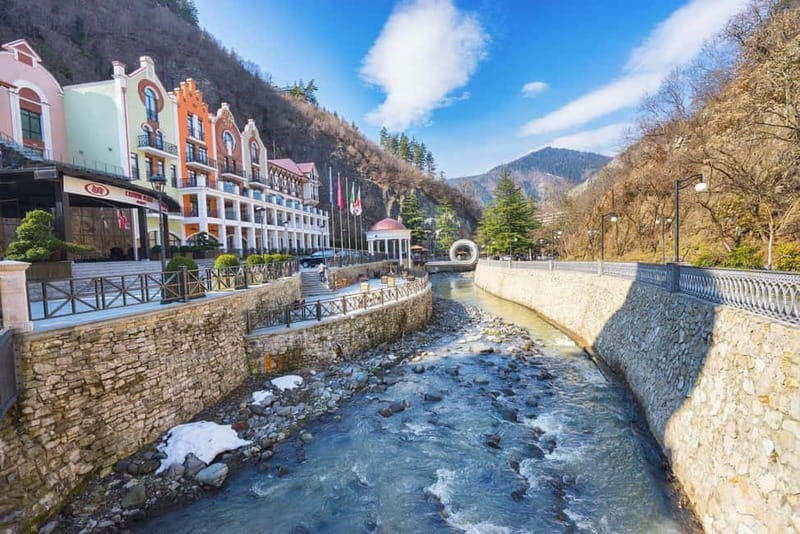
Vardzia is the reason many people choose this tour, and it delivers. The monastic complex is carved into rock, with hidden passages and rooms that make it feel like a whole city built into a cliff.
What I like most is how the guide’s explanation helps you understand the engineering and the purpose. The complex isn’t just a set of caves. It’s a system of spaces, built by people who knew exactly how to turn geography into protection, worship, and community.
You’ll also visit the church with frescoes connected to Queen Tamar and her father George III. That’s where the itinerary gains emotional focus. Queen Tamar’s reign is a major thread in Georgian culture, and seeing her portrayed through frescoes helps you connect the political importance of her era with the art that survived it.
Now the part you should take seriously: Vardzia involves lots of walking. Expect stairs, uneven stone, and steep paths. In colder months, the ground can be slick, so wear shoes with solid grip. If you have knee issues, plan for a slower pace and budget energy before you arrive.
Entrance fee note: the Vardzia Complex entrance is 17 lari per person, not included in the tour.
Rabati Fortress: Defensive Engineering Meets Later Cultural Life
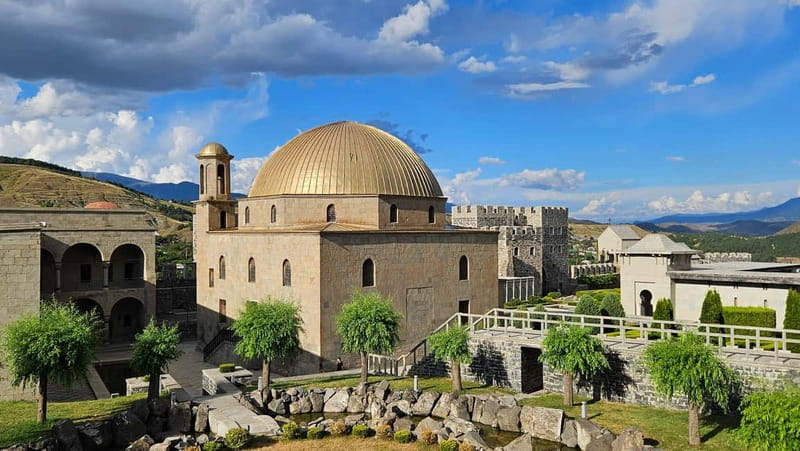
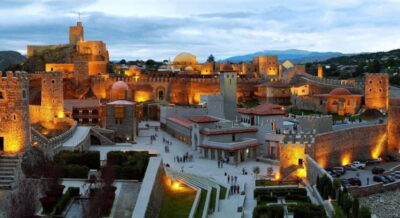
Rabati Fortress is the grand finale in many ways. It’s a striking medieval example of defensive architecture and engineering, and it gives you a clear sense of how a city protected itself.
The guide explains the fortress’s role in history and city defense. Then there’s the other side of the story: how Rabati evolved into a center of cultural life. That change matters. It tells you that defense was not the only purpose of fortress walls. Over time, walls that once protected a threat also supported daily community routines and local identity.
You’ll get time for sightseeing and shopping here as well. That’s a practical bonus at the end of a long day, since you can pick up small gifts while you still have energy, and you can take photos without feeling rushed.
Entrance fee note: Rabati Fortress is 15 lari per person, not included.
Price and Value: What Your $33 Actually Buys
At $33 per person, the main value here is transport plus a guided day. Your tour includes transfer in a comfortable Mercedes Sprinter minibus and a guided tour.
What is not included are the site entrances and lunch. For most people, the entrance fees add up quickly enough to plan for:
- Borjomi National Park: 5 lari per person
- Vardzia Complex: 17 lari per person
- Rabati Fortress: 15 lari per person
That’s 37 lari total for entrances, before lunch. Lunch is listed as starting from 30 lari per person, so your real budget depends on how you eat.
So is it good value? For me, yes, because you’re getting expert guidance at multiple sites that would be hard to connect smoothly by public transport. Also, the timing between stops is built-in. You’re not spending half the day figuring out logistics. You’re spending it looking at rock-cut rooms, fortress walls, and learning why mineral water matters.
Best Fit for Your Style of Travel
This tour is a great fit if you like:
- Story-driven guidance: guides such as Jimmy and George XIII have shown that energy and clarity can make the day feel alive.
- A full-day historical sweep: mineral water, Persian influence, Georgian myth, Queen Tamar frescoes, and Rabati’s fortress life all in one route.
- Moderate sightseeing stamina: you’ll walk more at Vardzia than you might expect.
It may not be ideal if:
- You hate stairs or have trouble with steep, uneven stone. Vardzia can feel like a stair workout.
- You need very predictable timing. The day can run longer than expected, so keep your evening plan flexible.
- You don’t handle cold well. In winter, bring warm clothes, not just a light layer.
Should You Book This Guided Day Trip from Tbilisi?
If you want one day that covers a lot of Georgia’s identity, this is a strong choice. The guided storytelling is a real selling point, and the route makes sense as a sequence: water culture to Persian-Georgia style, then myth and royal fresco art, then the fortress that ties it all to protection and community life.
Book it if you can handle long hours, and you’re ready for Vardzia’s stairs. If stairs are a problem, you might still enjoy the sites from a different angle, but this exact itinerary leans heavily into walking.
If you do book, go in with the right mindset: bring grippy shoes, dress for winter if you’re traveling then, keep snacks for breaks since eating on the minibus may not be allowed, and leave your evening open just in case the day runs late.
FAQ
How long is the day trip?
The tour duration is 13 hours.
Where do we meet in Tbilisi?
You meet in front of the I Love Tbilisi sign.
What is included in the $33 per person price?
The price includes transfer in a comfortable Mercedes Sprinter minibus and a guided tour.
Are entrance fees included?
No. Entrance fees are not included for Borjomi National Park (5 lari per person), Rabati Fortress (15 lari per person), and the Vardzia Complex (17 lari per person).
Do I need to budget for lunch?
Yes. Lunch is not included and starts from 30 lari per person.
What languages are the guides?
The live guide is available in English and Russian.
How long are the drives between main areas?
The road to Borjomi takes about 3 hours. Borjomi to Vardzia is about 1 hour, and Vardzia to Rabati is about 1.5 hours.
Is the tour guided in person?
Yes, the tour is personally conducted by the provider, or another guide from their team.
Can I cancel or pay later?
You can cancel up to 24 hours in advance for a full refund. You can also reserve now and pay later.
More Borjomi Trips
- 1 Day Horse Riding Adventure in Borjomi Mountains
★ 4.7 · 15 reviews - Borjomi National Park Full Day Private Tour From Tbilisi
★ 5.0 · 14 reviews - Bakuriani ski resort and the legendary Borjomi (Group Tour)
★ 5.0 · 12 reviews - Vardzia – Rabati – Borjomi
★ 4.5 · 9 reviews
More Vardzia Trips
- Day tour to Vardzia, Borjomi in Georgia
★ 4.5 · 152 reviews - From Tbilisi: Borjomi, Rabath and Vardzia Day Trip
★ 4.6 · 66 reviews - LEGENDARY PLACES OF GEORGIA: VARDZIA, BORJOMI, RABAT.( Group Tour)
★ 4.5 · 58 reviews - From Tbilisi: Vardzia Cave Tour with Guide
★ 4.4 · 22 reviews
Recently reviewed around Tbilisi
- Tbilisi City Tour★ 4.5 · 3 reviews
- Tbilisi City, Jvari Monastery, Uplistsikhe caves, Mtskheta city Private Day Trip★ 4.5 · 3 reviews
- Tbilisi City Tour with Street Photography★ 5.0 · 3 reviews
- Private Trip to Tbilisi and Mtskheta – Cultural Capitals★ 5.0 · 3 reviews
- Wild Georgia 4WD PACK Adventure through Kakheti and Kazbegi 2in1★ 5.0 · 3 reviews
- Tbilisi Airport to Gudauri, Bakuriani, Batumi, Tbilisi★ 5.0 · 3 reviews
- Private Adorable City Tour of Tbilisi★ 5.0 · 3 reviews
- Tbilisi and Mtskheta cities private, cultural tour★ 5.0 · 3 reviews
Borjomi Tours, compared.
Borjomi, Rabati & Vardzia Adventure Guided Tour
Read our review →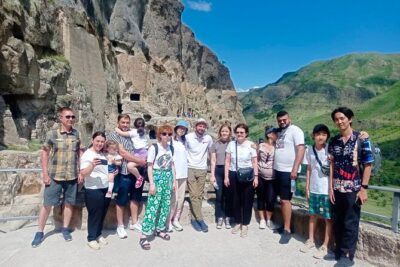
Borjomi, Rabati & Vardzia – one day group tour from Kutaisi
Read our review →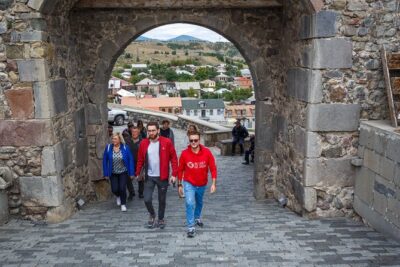
BORJOMI, RABATI & VARDZIA – Group Tour from Kutaisi
Read our review →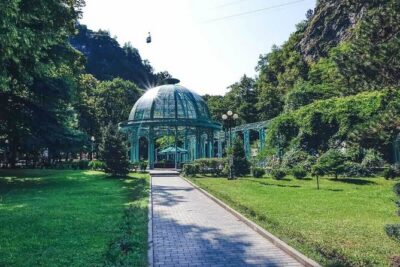
Vardzia, Rabati, and Borjomi Ancient Georgia Group Tour
Read our review →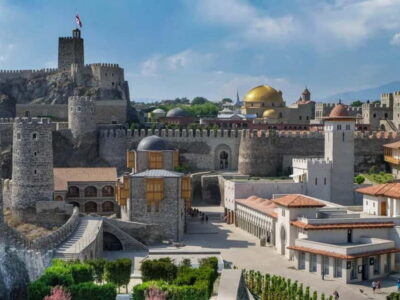
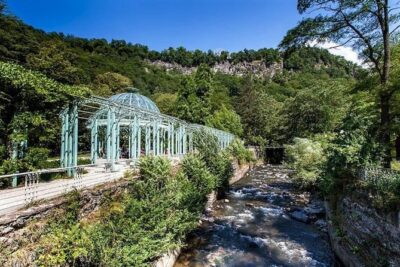
LEGENDARY PLACES OF GEORGIA: VARDZIA, BORJOMI, RABAT.( Group Tour)
Read our review →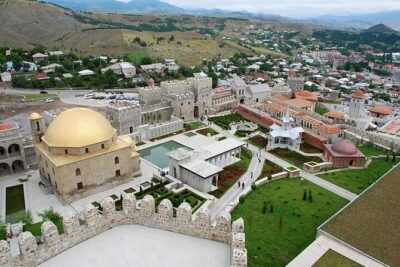
Full Day Private Tour in Vardzia, Rabati and Borjomi with Guide
Read our review →Browse the lists this tour appears in